ADVERTISEMENT
ADVERTISEMENT



US trade chief calls India’s proposals ‘best offers ever received’
Greer suggested India was becoming “a viable alternative market” for U.S. commodities.
-
 IANS
IANS - Wed, 10, Dec 2025
- 00:45 EST
- 13
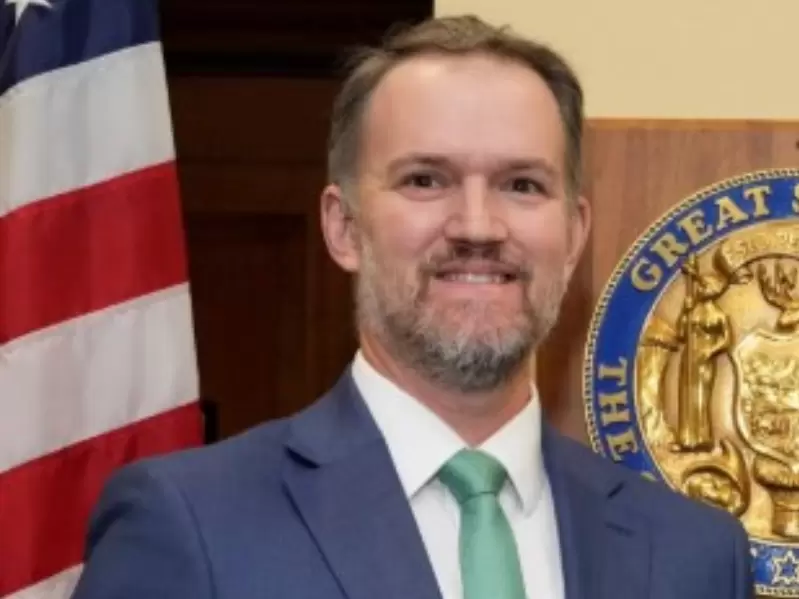 Jamieson Greer / X/@jamiesongreer
The United States is pressing ahead with intensive trade negotiations with India, with U.S. Trade Representative Jamieson Greer telling lawmakers that New Delhi has made “the best we’ve ever received as a country” in ongoing talks aimed at expanding market access for American farm products, including grain sorghum and soy.
Speaking at a Senate Appropriations subcommittee hearing on Dec. 9, Greer said a USTR team was currently “in New Delhi, as we speak,” working through sensitive agricultural barriers.
He acknowledged that “there is resistance in India… to certain row crops,” but said India’s latest proposals reflect an unusual degree of openness. “They’ve been quite forward-leaning,” Greer told senators.
ALSO READ: US experts warn of strains in India-US partnership
Greer suggested India was becoming “a viable alternative market” for U.S. commodities at a time when American producers face growing inventories and fluctuating Chinese demand. “We have to find a way to manage that trade,” he said, describing India as a promising but historically difficult market to “crack.”
Committee Chair Jerry Moran, raising concerns about shrinking export options for Kansas farmers, pressed Greer on finding new destinations to reduce dependence on China. “It’s such a difficult country to crack,” Moran said. Greer replied that the diplomatic and commercial outreach with India was further along than in past administrations.
Greer said India’s engagement was unfolding alongside a broader U.S. effort to rebalance trade relationships, reduce deficits and secure reciprocal access. “We’re opening market access all over the world in places like Southeast Asia and even in Europe,” he said. These gains, he argued, strengthen Washington’s hand with major partners like India and help ensure farmers have “structural constant access.”
He also signaled that tariff and market-access issues would arise in sectors beyond agriculture. Asked about the future of zero-tariff commitments for civil aviation parts under the 1979 Aircraft Agreement, Greer said discussions with India were “fairly far advanced.” He added that such treatment could extend to countries willing to “play ball and come to the table and give the United States the market access it should have.”
Moran also identified India as a potential major buyer of ethanol from U.S. corn and soy. Greer did not address India specifically but noted that “a lot of other countries… have agreed to open their markets for U.S. ethanol.” He said the European Union had committed to purchase “$750 billion in U.S. energy products” over several years, including biofuels.
Several senators raised concerns about the strain facing American farmers amid volatile tariffs and shifting Chinese purchases. Greer insisted the administration’s push for reciprocal deals was creating new opportunities, saying the United States was “breaking the mold of conventional wisdom in Washington” and securing commitments from partners on tariffs, regulatory barriers and FDA acceptance of medicines.
Throughout the hearing, Greer emphasized that aggressive negotiation — including the use of tariffs — remains central to enforcing commitments and opening markets. “They respond to enforcement,” he said. “That’s how we’re able to generate compliance and market opening.”
India–U.S. trade ties have expanded significantly over the past decade, with negotiations underway across agriculture, digital services, aviation, pharmaceuticals and critical minerals. India remains one of America’s fastest-growing export destinations, though agriculture continues to face longstanding tariff and sanitary restrictions, officials say.
Talks accelerated after the launch of the U.S.–India Strategic Trade Dialogue and broader Indo-Pacific economic frameworks, as both governments move to diversify supply chains and deepen commercial integration amid geopolitical shifts.
Related





ADVERTISEMENT
ADVERTISEMENT
E Paper
Video

Comments
Start the conversation
Become a member of New India Abroad to start commenting.
Sign Up Now
Already have an account? Login