ADVERTISEMENT
ADVERTISEMENT



US experts warn of strains in India-US partnership
Three leading experts told the House Foreign Affairs Committee’s Subcommittee that the partnership has been destabilized by tariffs.
-
 IANS
IANS - Tue, 09, Dec 2025
- 23:52 EST
- 81
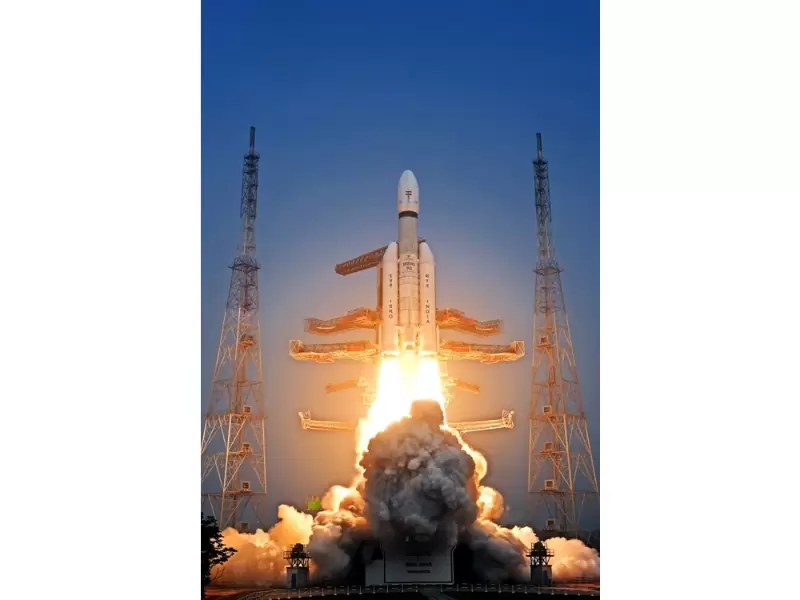
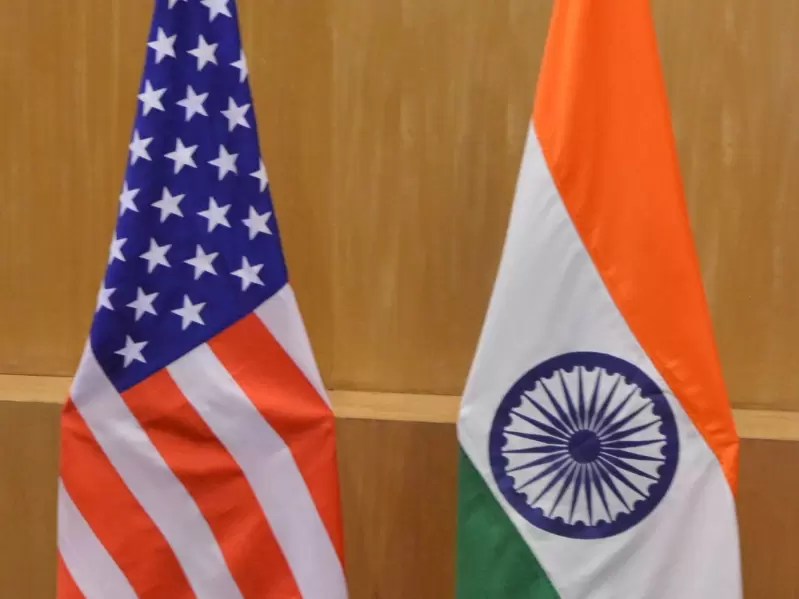 India-US. / File Photo: IANS
The US-India strategic partnership — long viewed in Washington as a cornerstone of Indo-Pacific stability — has come under sharp scrutiny as analysts warned lawmakers that the relationship faces its most serious political and economic headwinds in years.
In prepared remarks submitted to a Congressional committee ahead of a hearing on India on , three leading experts told the House Foreign Affairs Committee’s Subcommittee on South and Central Asia that while defense, technology and maritime cooperation continue to deepen, the partnership has been destabilized by tariffs, trade disputes and the Trump administration’s renewed high-level outreach to Pakistan’s military leadership.
ALSO READ: US-India ties face ‘political standstill,’ expert warns
Sameer Lalwani of the German Marshall Fund said the United States views India as “a major power — and one of the most consequential in the 21st century — given our shared interests, democratic institutions, and visions of international order.” India, he said, is “poised to become a pole in the international system,” offering Washington strategic economic opportunities, technological scale and expanding military capability.
On the Indo-Pacific, Lalwani stressed that both countries “seek a multipolar Asia that checks the pacing challenge of China, and its attempts at coercion, military aggression, or geopolitical dominance.” India’s forward posture along the Line of Actual Control, he said, reflects its effort to deter further Chinese incursions and defend its borders.
Lalwani warned that India-China relations remain “largely adversarial,” shaped by “economic coercion,” the 2020 border clashes and “recent battlefield collusion with Pakistan’s military campaign against India.” India’s ties with Russia, he added, are narrowing to “hydrocarbons, nuclear energy and conventional weapons,” with New Delhi “decisively tilting towards America” in maritime security and emerging technologies.
Jeff Smith of the Heritage Foundation described the India-US partnership as “one enduring success” amid two decades of foreign-policy turbulence but said 2025 had been “challenging” for bilateral ties. He traced the downturn to tariff actions by the administration, an India-Pakistan confrontation in May and the political fallout from Washington’s outreach to Pakistan Army chief Asim Munir.
Smith said expectations were high after Prime Minister Modi’s February visit to Washington, but “three things then happened to derail this positive momentum”: the imposition of 25 percent “liberation day” tariffs, India’s Operation Sindoor against Pakistan-based terrorists and a US intervention that was portrayed at home as equating India with Pakistan. When a second tariff tied to Russian oil followed, Smith said, it left “pro-American voices in New Delhi on the defensive.”
Dhruva Jaishankar of ORF America testified that bilateral progress is now “at a political standstill,” primarily due to “differences over trade and tariffs and renewed US engagement with Pakistan’s military leadership.” He warned that this environment “risks jeopardizing mutually beneficial cooperation on trade, technology, energy and defense” outlined earlier this year by President Trump and Prime Minister Modi.
On tariffs, he noted that India was hit with a 25 percent duty on Aug. 7, followed by another 25 percent tied to Russian oil purchases. With a Bilateral Trade Agreement largely negotiated but unannounced, India now faces “among the highest” tariff levels applied to any major US partner — a situation he said “prevents further opportunities at broadening and deepening the economic partnership.”
Yet Jaishankar emphasized that cooperation has not stalled across the board. He pointed to the new 10-Year Defense Framework Agreement, recent approvals for Javelin missiles and Excalibur munitions, and major exercises from Diego Garcia to Alaska. Joint work in space, AI and energy has also advanced despite political strains.
Leave A Comment
Related



ADVERTISEMENT

ADVERTISEMENT
E Paper
Video

Comments
Start the conversation
Become a member of New India Abroad to start commenting.
Sign Up Now
Already have an account? Login