ADVERTISEMENT

ADVERTISEMENT



World in a mess: Why science must "wake up"
Science is the appropriate body of knowledge to use when the fundamentals of the system under scrutiny are well understood.
-
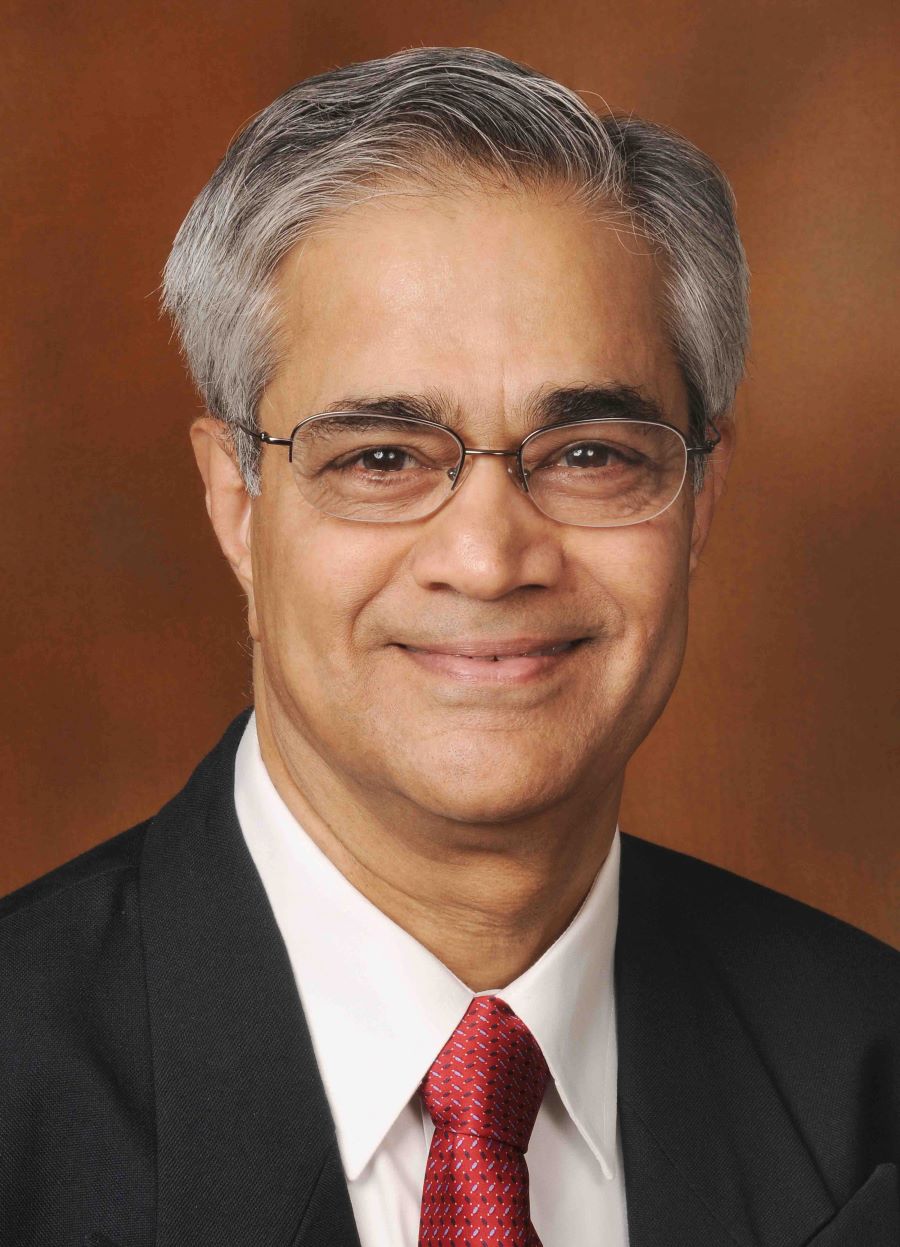 Pradeep B. Deshpande
 - Mon, 19, Jan 2026
- 14:12 EST
- 98
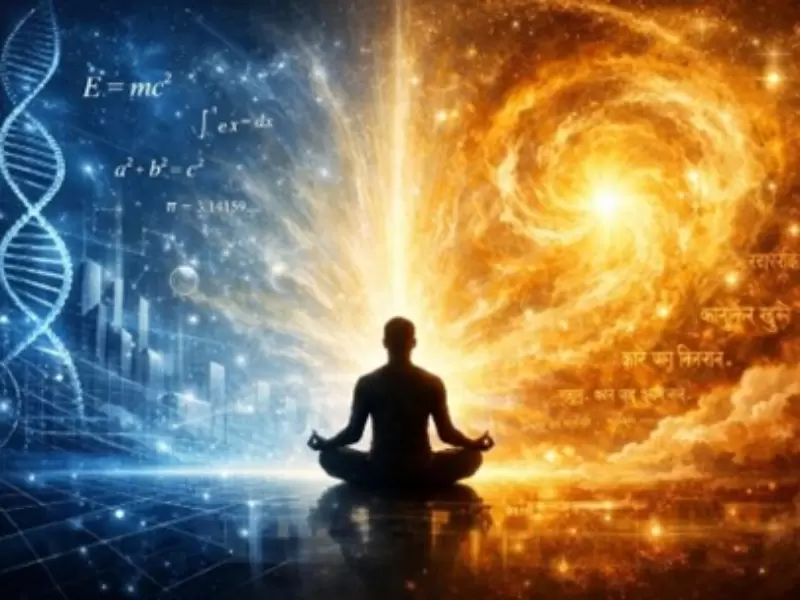 Representative image / Courtesy: Gemini, Dall-E
Reason is the capacity for logical, analytical, and conscious thought. It is the mental faculty that allows us to make sense of things, establish and verify facts, apply logic, and adapt or justify beliefs and practices based on new or existing information. Reason is what distinguishes "thinking" from "reacting." While an instinct is an automatic response, reason is a deliberate process.
Products of reason include sciences, laws, policies, etc.
Science is the systematic study of the physical and natural world through observation, experimentation, and the testing of theories against the evidence.
ALSO READ: Hindu values, the U.S. Constitution, and a silent American contradiction
Stephen Hawking famously wrote in his book, 'A Brief History of Time,' that all scientific theories are always provisional in that as more and more data come in that corroborate the predictions of the theory, our confidence in the theory rises, but if a single data point were to emerge that contradicts the theory, then that theory must be abandoned in favor of a new or modified theory.
Science is the appropriate body of knowledge to use when the fundamentals of the system under scrutiny are well understood. When they are not but measurements are available so data can be procured, data-driven methodologies such as Six Sigma can be used. When the system fundamentals are not well understood and measurements are not available, then these two methods of inquiry cease to be useful.
Transcending reason then remains the only viable option to solve problems and to make new discoveries.
The renowned 18th-century German philosopher Immanuel Kant would say, "All knowledge begins with the senses, proceeds then to the understanding, and ends in reason." There is nothing higher than reason.
If reason were all there is, we shouldn’t have been struggling with racism in the United States for centuries or caste discrimination in India for thousands of years. The 13th amendment to the U.S. Constitution abolished slavery in 1865, and a number of laws have been enacted since then, and yet, racism persists, and caste discrimination has been around since the time of Mahabharata.
In contrast, the 19th-century Indian yogi Swami Vivekananda asserts that Indian thought dares to seek and successfully find something higher than reason.
This article leads to an explanation of how discoveries occur and how they can be accentuated.
Two pathways to discovery
We must distinguish between two ways of expanding human knowledge:
- Type I Discoveries: These discoveries involve "connecting the dots," perhaps in ingenious ways, within the domain of existing knowledge; data, information, and facts accumulated from the time humans learned to walk upright to the present. They are the direct results of the products of reason.
- Type II Discoveries: These discoveries occur when a seeker transcends the realm of reason—often through prayer or yogic processes that enhance the focus of attention of the seeker. In Sanskrit, such discoveries are called shruti (revealed knowledge). The Vedas are a primary example, as they were "revealed" at a time when there was no knowledge for the seers to draw from.
The root cause: Internal emotional excellence
The reason the world is in a "mess"—characterized by political divide and violence—is a widespread misconception that there is nothing higher than reason. This misconception leads to a global deficiency in internal emotional excellence since the cultivation of a higher level of internal emotional excellence requires transcending reason.
Transcending the realm of reason by enhancing the focus of attention with methods like yogic processes produces positive changes from within, which can not only produce new discoveries, but it also enhances internal emotional excellence, performance, health & wellness, creativity and innovativeness, interpersonal relationships, and peace.
Conclusion
Swami Vivekananda asserted that Indian thought "dares to seek and successfully find something higher than reason." If science were to take cognizance of the importance of transcending reason, internal emotional excellence, Type II discoveries, and the methods used to achieve them, we may finally possess the tools necessary to tackle some of the world's most pressing problems.
The author is a professor emeritus and former chairman of the chemical engineering department at the University of Louisville. He is also president of Six Sigma and Advanced Controls, based in Louisville, Kentucky.
(The views and opinions expressed in this article are those of the author and do not necessarily reflect the official policy or position of New India Abroad.)
Discover more at New India Abroad.
Related












ADVERTISEMENT

ADVERTISEMENT

ADVERTISEMENT
E Paper
Video

Comments
Start the conversation
Become a member of New India Abroad to start commenting.
Sign Up Now
Already have an account? Login