ADVERTISEMENT
ADVERTISEMENT



How collaborative funding models are reshaping U.S. - India philanthropic capital
The collaborative funding models now emerging in this corridor are not primarily about raising more money but more about restructuring its flow.
-
 Alex Counts
 -
 Sanjay Bindra
 - Mon, 13, Apr 2026
- 11:51 EDT
- 919
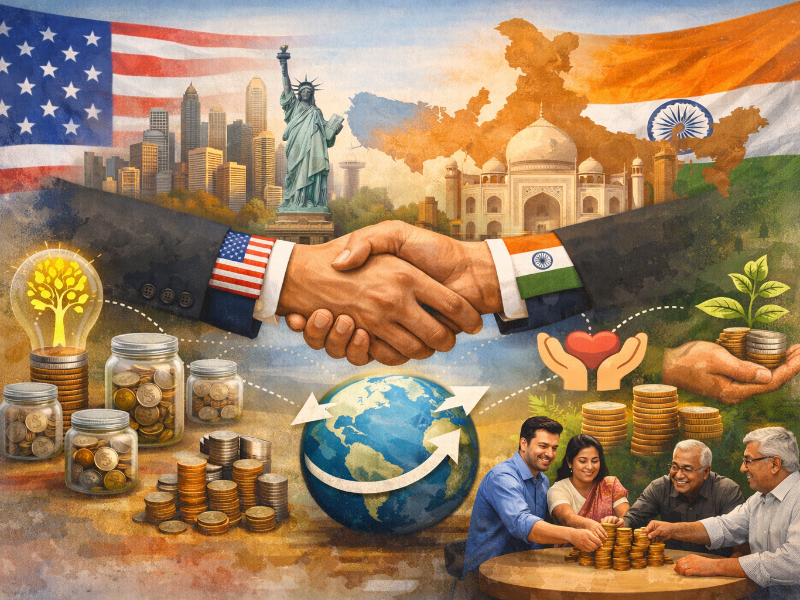 Representative Image / Generated using AI
Cross-border philanthropy between the United States and India has never lacked generosity. Diaspora networks, alumni communities, and institutional donors have consistently mobilized capital for causes ranging from higher education to public health. What this ecosystem has lacked is coordination - and the cost of that absence is larger than most funders appreciate.
A shift is now underway. Across the U.S. - India philanthropic corridor, funders and intermediaries are moving away from transactional, event-driven giving toward structured, collaborative models that treat capital deployment as an ongoing system rather than a series of one-time decisions. The change is less visible than a major gift announcement, but it may prove more consequential in the long run.
The Structural Problem With How We Give Now
Traditional U.S. - India philanthropy has been organized around moments: a reunion campaign, a disaster appeal, an institutional fundraising cycle. These moments produce bursts of capital -sometimes substantial ones--but they also produce three chronic structural problems.
The first is fragmented allocation. When donors give through multiple uncoordinated channels, the cumulative effect is smaller than the sum of its parts. Recipient organizations receive overlapping support in some areas while facing gaps in others, and no single funder has a complete picture of where capital is actually going.
Also Read: Beyond an event: Alex Counts on the future of India Giving Day
The second is delayed feedback. Most funders in this corridor receive retrospective reporting-annual updates and impact summaries produced months after the fact. By the time a donor learns whether their funding worked, the next giving cycle has already begun. Decision-making is, in effect, blind.
The third is compressed time horizons. One-time contributions, however generous, force recipient organizations into a perpetual fundraising mode. Strategic planning becomes nearly impossible when next year's operating budget is uncertain.
None of these problems stem from insufficient donor intent. They stem from inadequate system design. The philanthropy ecosystem has invested heavily in mobilization-bringing more donors in, raising larger gifts—while chronically underinvesting in the infrastructure that connects those gifts to sustained outcomes.
What Collaborative Models Actually Change
The collaborative funding models now emerging in this corridor are not primarily about raising more money. They are about restructuring how decisions get made and how capital flows over time.
In practice, these models share a few defining features: funding priorities are set upfront and transparently, capital is pooled or structured across multiple giving cycles, and allocation decisions are based on real-time data rather than retrospective reporting. The result is a funding dynamic that is predictable rather than episodic, coordinated rather than fragmented, and iterative rather than retrospective.
Also Read: India Giving Day 2026 raises $5.6M
These models also redistribute decision-making authority in meaningful ways. In traditional structures, donors give, and institutions decide-with reporting flowing back only after the fact. In collaborative models, funding priorities are often co-defined between U.S.-based donors and India-based implementers, allocation criteria are visible to all parties, and feedback loops are compressed. The distance between donor intent and funding outcome shrinks.
A Hybrid Model Worth Examining
One instructive example comes from a small, zero-staff alumni-led nonprofit, GOSUMEC Foundation USA, that has built an endowment-based funding approach paired with a formal partnership with an India-based partner, the Foundation for Excellence India Trust, that handles on-the-ground execution. The division of labor is deliberate: the U.S. entity focuses on donor engagement, capital formation, and transparency, while the India partner manages beneficiary selection, disbursement, and verification-functions that require local knowledge and relationships the U.S. side cannot replicate.
Rather than duplicating infrastructure across geographies, the model coordinates between specialized actors. The result is longer funding time horizons, allocation decisions informed by local context, and reporting cycles compressed through direct communication. It is not a perfect model, but it illustrates how smaller organizations can operate with greater efficiency when system design is treated as a first-order concern rather than an afterthought.
The Harder Critique
The emergence of these models raises a more uncomfortable question: why has coordination infrastructure been so consistently undervalued in cross-border philanthropy?
The answer lies partly in incentives. Donors want to see beneficiary counts. Institutions want to announce fundraising milestones. Intermediaries are often evaluated on capital raised, not capital deployed effectively. In this environment, investing in coordination-building the connective tissue between donors, intermediaries, and implementers-produces benefits that are diffuse and hard to attribute to any single actor.
Collaborative models do not eliminate this tension, but they make it more visible. When funding priorities are defined upfront, and allocation decisions are transparent, the gap between what donors intend and what actually gets funded becomes harder to ignore. That visibility is uncomfortable. It is also where progress starts.
What Funders Should Do Differently
For funders operating in the U.S-India corridor, these shifts suggest a different set of priorities-not in how much to give, but in how giving is structured. The most important are:
Prioritize continuity over scale. A recurring commitment structured over multiple years will typically produce more stable outcomes than a larger episodic gift. Predictability compounds in ways a single check cannot.
Evaluate coordination, not just organizations. When assessing where to give, look beyond the quality of individual grantees to the quality of the systems connecting them. A well-designed partnership between a U.S. donor network and an India-based implementer may outperform a more prominent standalone organization.
Shorten feedback loops deliberately. If your current model produces annual impact reports, ask what it would take to receive meaningful information quarterly. Faster feedback enables better decisions, not just better documentation.
Invest in System Infrastructure, Not Just Programs
The partnerships, shared decision frameworks, data flows, and communication channels that connect donors to implementers are not administrative overhead-they are the operating system of effective philanthropy. When designed well, this coordination layer produces outsized returns in transparency, allocation efficiency, and continuous learning that program funding alone cannot deliver.
A parallel force accelerating this shift is the emergence of India Giving Day, an annual, coordinated campaign led by the India Philanthropy Alliance. Its significance extends beyond fundraising. It normalizes shared infrastructure-aligned timelines, collective storytelling, pooled visibility, and cross-organizational donor education. By creating a unified entry point for diaspora donors and encouraging participation across a network rather than within silos, it signals a transition from organization-centric giving to ecosystem-level design.
The future of U.S.–India philanthropy will not be defined by more capital. Considerable and indeed growing amounts of capital already exists. The real opportunity is to reorganize fragmented flows into systems that are continuous, coordinated, and responsive to actual needs on the ground.
Collaborative funding models are early evidence that this shift is possible. They depend not on new money, but on better decisions-clearer priorities, faster feedback, and tighter alignment between donor intent and beneficiary outcomes. For funders willing to invest in that layer, the returns compound-not just in efficiency, but in trust.
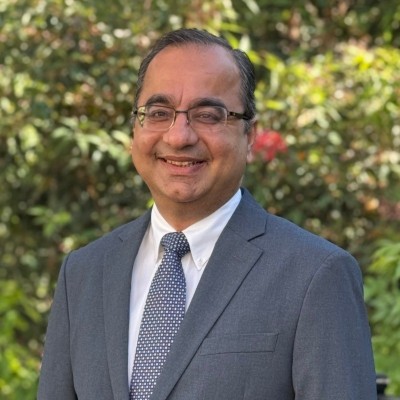
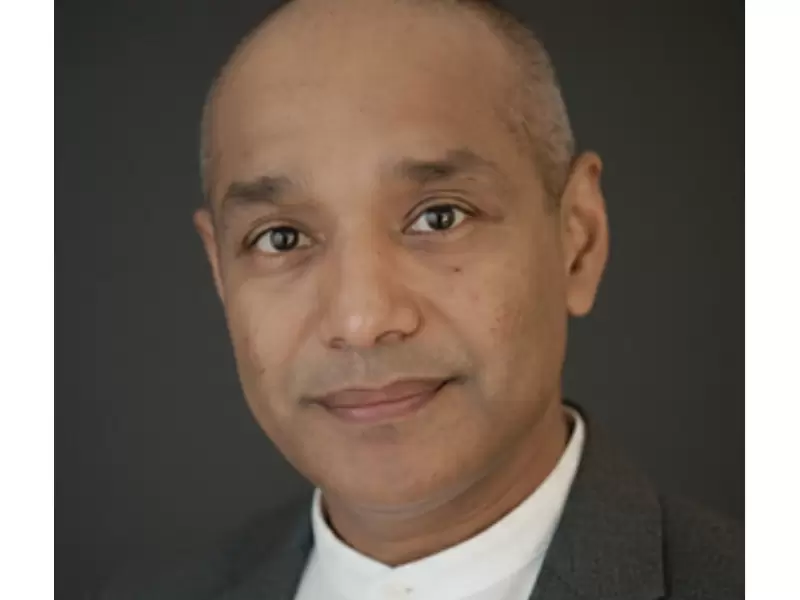
Sanjay Bindra MD is a Cardiac Electrophysiologist and the President, Co-Founder, and Board Chair of GOSUMEC Foundation USA.
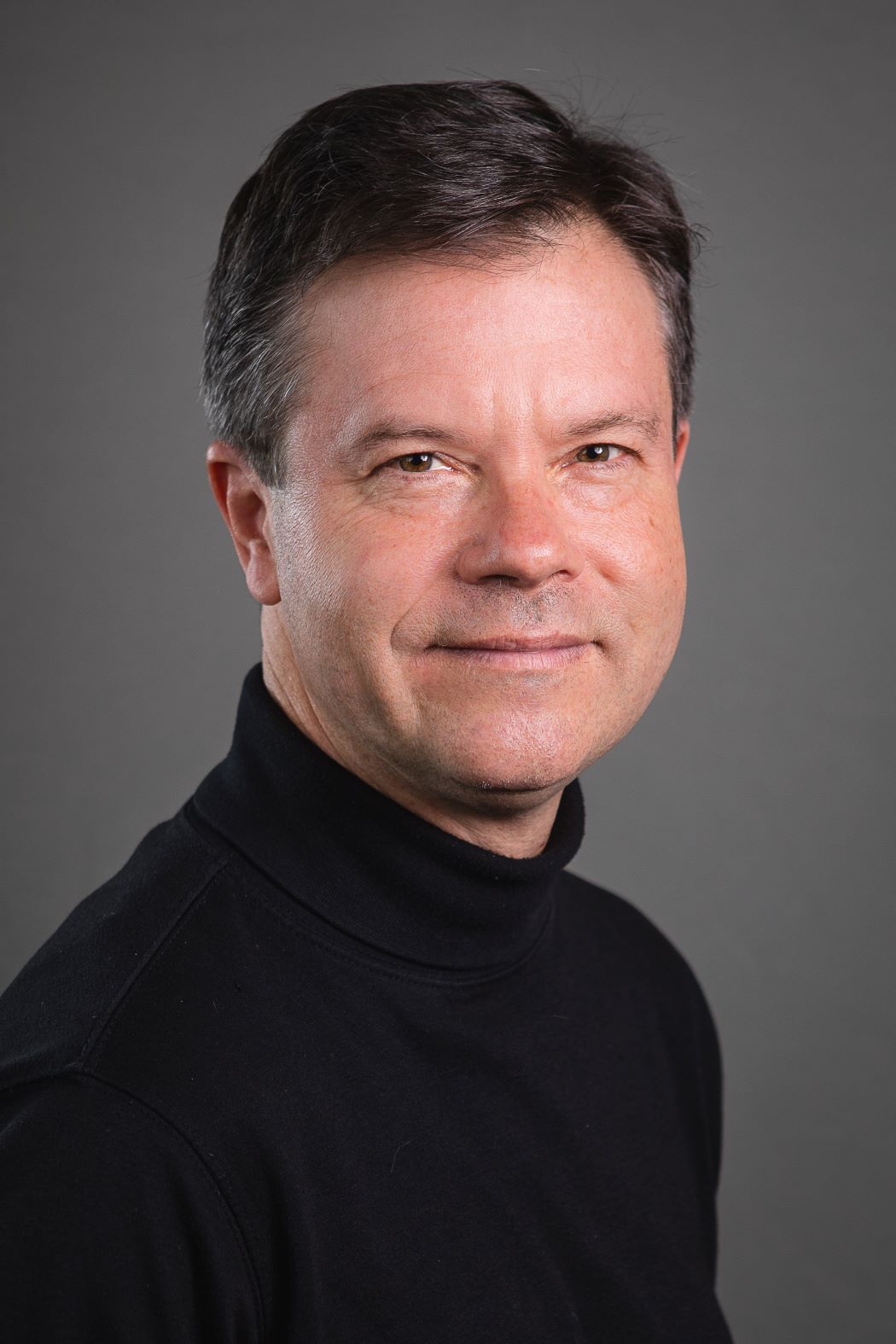
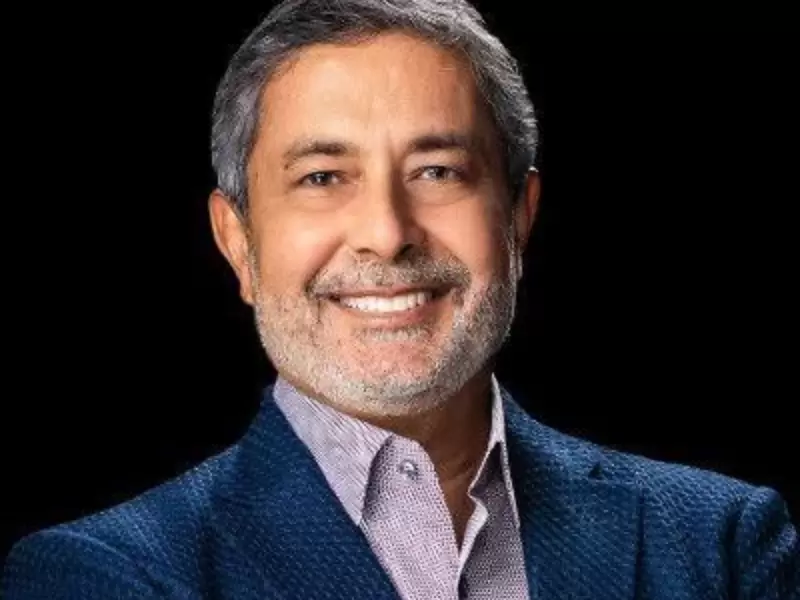
Alex Counts is the Executive Director of the India Philanthropy Alliance.
Discover more at New India Abroad.
Leave A Comment
Related







ADVERTISEMENT

ADVERTISEMENT
E Paper
Video

Comments
Start the conversation
Become a member of New India Abroad to start commenting.
Sign Up Now
Already have an account? Login