ADVERTISEMENT
ADVERTISEMENT



World Bank chief economist Indermit Gill retiring in August
Gill played a transformational role in advancing transparency through data.
-
 Reuters
 - Thu, 14, May 2026
- 16:59 EDT
- 45
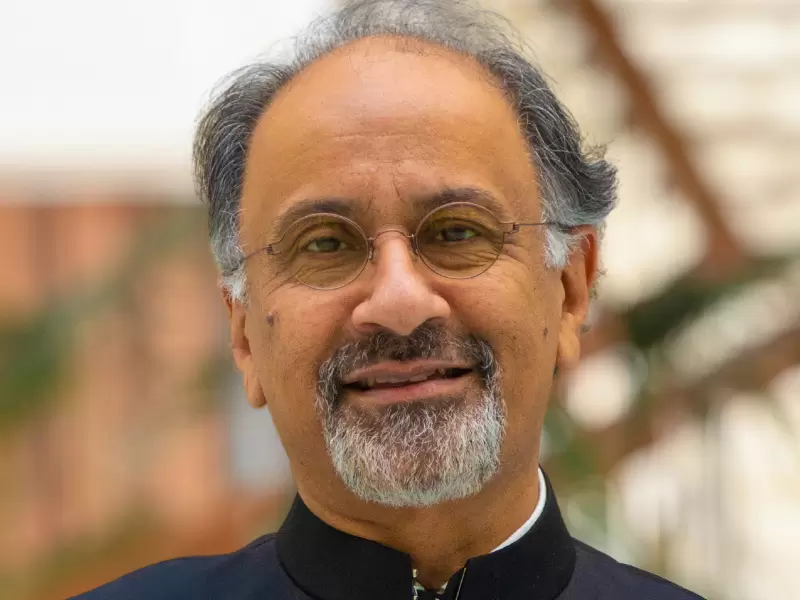 World Bank chief economist Indermit Gill / worldbank.org
World Bank chief economist Indermit Gill will retire at the end of August, the multilateral development bank's president, Ajay Banga, told staff in a memo seen by Reuters on May 14.
Banga lauded Gill's long career with the World Bank Group, including his work as vice president for equitable growth finance and institutions before he took over as chief economist and senior vice president in September 2022.
Also Read: World Bank sees resilient global growth in 2026 amid tariffs but fading dynamism
Gill, a native of India and a naturalized U.S. citizen, taught at the University of Chicago and the State University of New York before starting with the bank in 1993. He taught at Duke University for several years and headed its international development center before Banga's predecessor, David Malpass, named him to the top economist post.
Gill played a transformational role in advancing transparency through data, Banga said, citing the economist's work to improve debt transparency, sustainability and restructuring for low- and middle-income countries.
Gill oversaw efforts to strengthen the data, tools and analysis used in a World Bank assessment of the business climate in up to 180 countries, now known as "Business Ready," after embarrassing revelations of data irregularities and favoritism toward China forced cancellation of the previous “Doing Business” rankings in 2022.
"His leadership elevated research on small states, low-income countries, industrial policy, climate resilience, and public finance, and helped bring that work into global policy conversations through stronger partnerships with think tanks and research centers in Rome and Tokyo," Banga wrote.
Banga said the World Bank would begin the process of choosing a successor shortly.
The International Monetary Fund's chief economist, Pierre-Olivier Gourinchas, is also leaving his post this summer, the IMF announced on May 1.
The departures come at a particularly volatile time, with the two institutions warning that the severe energy shock caused by the ongoing conflict in the Middle East is driving inflation higher and slowing growth.
Discover more at New India Abroad.
Related








ADVERTISEMENT

ADVERTISEMENT
E Paper
Video

Comments
Start the conversation
Become a member of New India Abroad to start commenting.
Sign Up Now
Already have an account? Login