ADVERTISEMENT

ADVERTISEMENT



Trump targets immigrant truckers with Delilah Law push
The proposed law would prohibit immigrants in the U.S. illegally from obtaining commercial driver’s licenses.
-
Rwittika Chakraborty
- Wed, 25, Feb 2026
- 00:04 EST
- 14
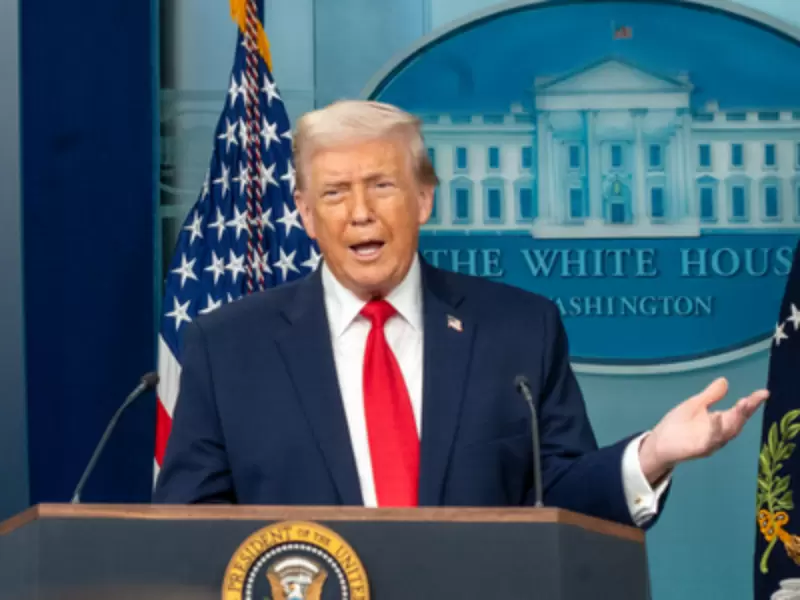 Trump promises long State of the Union speech / Xinhua
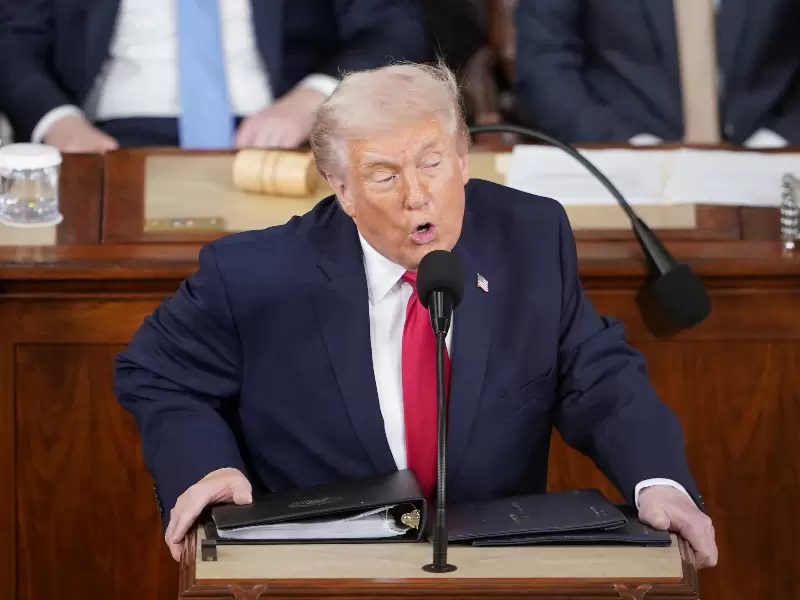
U.S. President Donald Trump has called on Congress to pass a federal “Delilah Law” that would prohibit immigrants in the country illegally from obtaining commercial driver’s licenses during his State of the Union address to a joint session of Congress.
According to the administration, the move is aimed at improving road safety and closing what it describes as a regulatory gap.
ALSO READ: Takeaways from Trump's State of the Union address to Congress
Speaking from the Capitol, Trump urged lawmakers to act swiftly to ensure that no state can issue commercial licenses, which are required to operate heavy vehicles such as semi-trucks and buses, to individuals who are in the United States without lawful immigration status.
The proposed law’s name honors Delilah Coleman, who was seriously injured in a crash involving a commercial truck driven by an individual who was in the U.S. without proper documentation, according to White House statements.
In his speech, Trump argued that many undocumented immigrants lack basic English proficiency and cannot read road signs, increasing the risk of accidents.
“That’s why tonight I’m calling on Congress to pass what we will call the Delilah Law, barring any state from granting commercial driver’s licenses to immigrants in the country illegally,” he said.
The push for the new law adds fuel to a broader national debate over immigration, public safety and states’ rights.
For the Delilah Law to become reality, Trump’s proposal must be drafted into formal legislation and win approval in both the House and Senate.
The White House says the measure is part of a continuing effort to tighten oversight of licensing standards and protect U.S. road users.
If passed, the Delilah Law would represent one of the most significant federal limits on commercial licensing tied to immigration status in decades.
Discover more at New India Abroad.
Related






ADVERTISEMENT

ADVERTISEMENT
E Paper
Video

Comments
Start the conversation
Become a member of New India Abroad to start commenting.
Sign Up Now
Already have an account? Login