ADVERTISEMENT

ADVERTISEMENT



Saikat Chakrabarti calls for four-day workweek in U.S.
He argued that stronger labor unions and legislation are needed to ensure AI-driven productivity gains are shared more broadly.
-
1759163132.png) Anushka Pathak
Anushka Pathak - Sat, 03, Jan 2026
- 11:16 EST
- 125
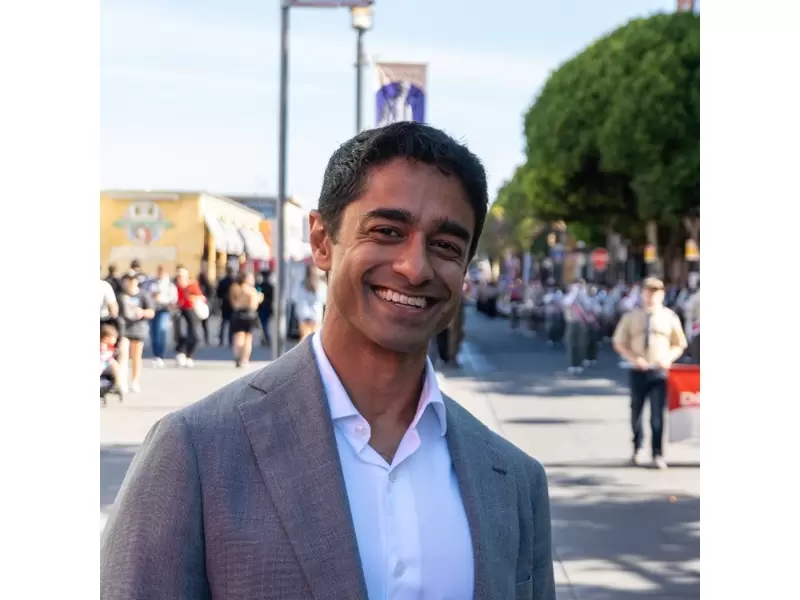 Saikat Chakrabarti / Courtesy: Instagram/@saikatforcongress
San Francisco congressional candidate Saikat Chakrabarti has called for a four-day workweek, arguing that productivity gains from artificial intelligence should reduce working hours rather than intensify demands on employees.
“We should be talking about four-day workweeks as a result of AI,” Chakrabarti said in a video posted on X. “But instead what we’re seeing is companies squeezing more and more work out of their workers with no extra benefits.”
Also Read: Indian American investor among top MAGA Inc. donors
We need a four-day workweek. The five-day workweek didn’t come from CEOs. It came from workers organizing and legislators protecting those workers. As AI reshapes work, we need stronger unions and legislation to distribute the gains of this technology across society. pic.twitter.com/j5wrJO0XPu
— Saikat Chakrabarti for Congress (@saikatc) December 31, 2025
Citing Meta as an example, he said the company plans to require employees to use AI tools in 2026. As a result, workers would be expected to produce more per hour or risk poor performance reviews and possible termination, without additional compensation.
“If every worker at Meta is producing more, that should mean that Meta is making more money,” he said. “But instead of that translating into higher wages or into more benefits for workers, it’s just going into [the] pockets of the managers and the shareholders.”
Chakrabarti argued that stronger labor unions and legislation are needed to ensure AI-driven productivity gains are shared more broadly. Drawing a historical comparison, he said the five-day workweek emerged from worker organizing and protective laws rather than voluntary corporate action.
“We have to make sure that AI gets introduced into society in a way that benefits workers, not just the owners,” he said. “That’s going to mean a strong labor movement... and legislation that forces it to happen. It’s not just going to happen on its own," he added.
The video prompted mixed reactions online. Some replies pointed to Chakrabarti’s past long working hours in technology startups, questioning the consistency of his proposal, while others criticized it as discouraging ambition.
Supporters and neutral observers referenced ongoing global trials of shorter workweeks, as critics argued that market forces and individual choice should determine work schedules.
The exchange reflects broader debates on how artificial intelligence could reshape labor markets, including concerns over job displacement, rising workloads, and calls for policy measures to distribute technological gains more evenly.
Related









ADVERTISEMENT
ADVERTISEMENT
E Paper
Video

Comments
Start the conversation
Become a member of New India Abroad to start commenting.
Sign Up Now
Already have an account? Login