ADVERTISEMENT
ADVERTISEMENT


Emraan Hashmi: "I don't want to get repetitive"
Once written off as the "serial kisser" stereotype, Hashmi reinvented himself- film after film earning loyal fans in every corner of the country.
-
 Bollywood Insider
 - Sat, 03, Jan 2026
- 23:33 EST
- 192
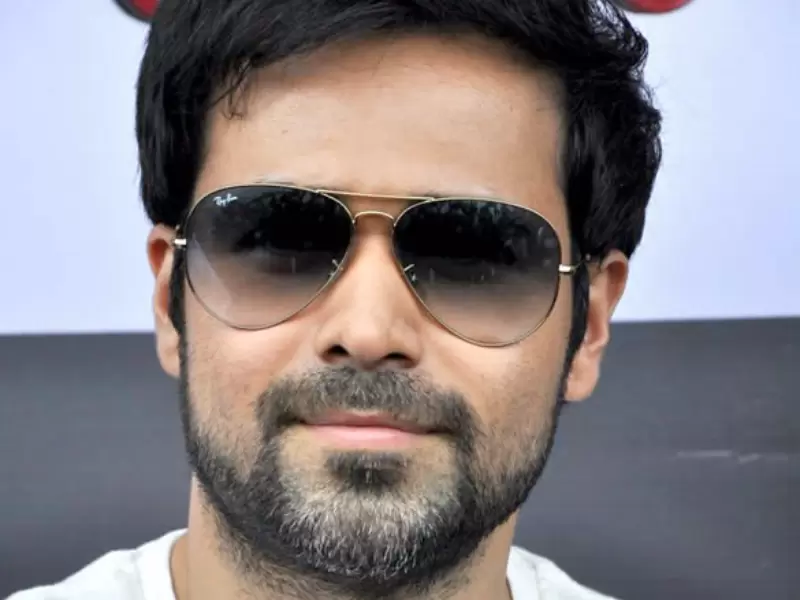 Emraan Hashmi / Wikimedia commons
With a brooding gaze and an unshakable calm, Emraan Hashmi has held audiences captive for over two decades. At 46, the actor continues to exude a rare blend of charm and mystery the kind that made him the poster boy of edgy romance and dark intensity in films like Murder, Gangster, Once Upon a Time in Mumbaai, The Dirty Picture, and Jannat.
He may never have chased the "number one" spot in Bollywood, but Emraan built his own empire one made of memorable songs, relatable heroes, and quietly powerful performances. Once written off as the "serial kisser" stereotype, he reinvented himself- film after film earning loyal fans in every corner of the country. Today, as he stars in Haq and Aryan Khan's debut directorial web series The Ba**ds of Bollywood, Hashmi reflects on what keeps him going, why he's become choosier than ever, and how he intends to stay true to his craft without falling into repetition.
You seem to be in your fittest form today.
I've lost a little weight. I lead a disciplined lifestyle now my diet is perfect and fitness has become a way of life. During the pandemic, when most people were bingeing out of boredom, I stayed consistent and worked hard. That's paid off.
You've been experimenting a lot lately - from the spy thriller web series Bard of Blood, to The Body, Selfiee, and Chehre.
You have to experiment that’s the only way to evolve. I've done commercial films like The Dirty Picture and Shanghai too. Maybe that's why the audience has stayed with me; they know I'll try something new each time.
You've become very choosy about your roles.
Yes, earlier I used to do three or four films a year. Now, I prefer just one or two. I've already done a large body of work so the challenge is to avoid getting repetitive. Finding something fresh gets harder with every film. That's why I took up Haq - it's a character with a different rhythm and energy.
Audiences still miss the unforgettable music from your films. Do you feel the same?
Absolutely. Those songs became an emotion for many people. Unfortunately, filmmakers today have moved away from that style of storytelling. But I'm planning a comeback to that space next year I'm doing a proper mass film. I was making those until 2016, but OTT and corporatization brought a certain subtlety to everything. Down South, they still make such films. You'll soon see me in Awarapan 2, Gun Master, and a Telugu film called G2.
You've received a lot of appreciation for Aryan Khan's debut, The Ba***ds of Bollywood!
Yes, Ba***ds is doing really well. Aryan is a fantastic director and actor. I'm certain he's going to go far - he's got a great instinct for storytelling.
It's said Haq is inspired by the Shah Bano case that shook the nation in 1985. How much of that is true?
It's inspired by that case, yes, but a lot has been dramatized for cinematic impact. When you're making a film, you need emotion, romance, and music to connect with audiences. There are family dynamics, courtroom drama-but only Suparn Verma (the director) can tell you exactly how much is fictionalized. It's a Bollywood film, after all.
What were the challenges in recreating a real-life incident?
You have to be very responsible. When something is inspired by real lives, there's a sensitivity you must maintain not just for those involved, but for their communities too. Religion, law, identity these are delicate subjects. Our story touches on secularism, faith, and the Constitution all without offending sensibilities. It's well-researched and respectful.
What do you think about laws that don't work in favor of women?
We live in a patriarchal society and Haq reflects that. Shah Bano was just solving a family issue, but she ended up inspiring generations. Women's dignity is still compromised even today. Many aren't independent or aware of their rights. I think Haq will spark conversations and that's exactly what cinema should do.
Suparn Verma said your character has a point of view, but some may see him as grey. Do you agree?
I don't judge my characters not as black, white, or grey. If I did, every performance would look the same. Abbas, my character, is deeply rooted in his beliefs. He's not a villain; he's the hero of his own story. The film explores ego clashes, marriage dynamics, and faith. It's about understanding, not labeling.
But how do you prepare for it?
With every script, I first understand what the writer and director want. Since Haq is partly historical, I immersed myself in the world of my character. I've never played a lawyer before, so I studied courtroom etiquette, body language, and dialogue delivery. Suparn guided me through it all ensuring authenticity without losing drama.
Was it challenging, especially given you belong to the same community depicted in the film?
Yes, absolutely. I wanted to make sure the film didn't portray the community negatively. When I read the script, I knew it wasn't judgmental. It presents both sides fairly it's more pro-woman, but it also gives the man's perspective. It's about love, faith, betrayal, and resilience. We've done justice to both.
Did you suggest any changes to your character?
Yes, I asked Suparn to humanize Abbas a little more to make him real. My questions on set were endless. But that's the beauty of collaboration; you discover your character only while performing. We shot Haq in one 45-day stretch-so the immersion was complete.
Haq has a strong take on patriarchy, what's your perspective?
Some men hide behind traditions, believing their behavior is justified. Haq confronts that mindset. It's not about one religion - patriarchy exists everywhere. The film addresses that universal truth.
Do you fear controversy, given the subject?
No. If you make films with fear, you'll never make anything meaningful. Fearlessness is essential. Too many people today play it safe - but art demands risk.
What issues do you think the film industry faces today?
The biggest setback has been the decline of the theatrical business. We need to reinvent ourselves -make bolder films, take risks, and stop playing safe. We've become too complacent.
What's your take on ticket prices and audience access?
Ticket prices must be affordable -only then will people return to theatres. But I also understand the economics; rents in big cities are high. I just feel we've forgotten to make films for the masses. We started catering to multiplex audiences, and somewhere, the language of cinema became too subtle.
With a brooding gaze and an unshakable calm, Emraan Hashmi has held audiences captive for over two decades. At 46, the actor continues to exude a rare blend of charm and mystery the kind that made him the poster boy of edgy romance and dark intensity in films like Murder, Gangster, Once Upon a Time in Mumbaai, The Dirty Picture, and Jannat.
He may never have chased the "number one" spot in Bollywood, but Emraan built his own empire one made of memorable songs, relatable heroes, and quietly powerful performances. Once written off as the "serial kisser" stereotype, he reinvented himself- film after film earning loyal fans in every corner of the country. Today, as he stars in Haq and Aryan Khan's debut directorial web series The Ba**ds of Bollywood, Hashmi reflects on what keeps him going, why he's become choosier than ever, and how he intends to stay true to his craft without falling into repetition.
You seem to be in your fittest form today.
I've lost a little weight. I lead a disciplined lifestyle now my diet is perfect and fitness has become a way of life. During the pandemic, when most people were bingeing out of boredom, I stayed consistent and worked hard. That's paid off.
You've been experimenting a lot lately - from the spy thriller web series Bard of Blood, to The Body, Selfiee, and Chehre.
You have to experiment that’s the only way to evolve. I've done commercial films like The Dirty Picture and Shanghai too. Maybe that's why the audience has stayed with me; they know I'll try something new each time.
You've become very choosy about your roles.
Yes, earlier I used to do three or four films a year. Now, I prefer just one or two. I've already done a large body of work so the challenge is to avoid getting repetitive. Finding something fresh gets harder with every film. That's why I took up Haq - it's a character with a different rhythm and energy.
Audiences still miss the unforgettable music from your films. Do you feel the same?
Absolutely. Those songs became an emotion for many people. Unfortunately, filmmakers today have moved away from that style of storytelling. But I'm planning a comeback to that space next year I'm doing a proper mass film. I was making those until 2016, but OTT and corporatization brought a certain subtlety to everything. Down South, they still make such films. You'll soon see me in Awarapan 2, Gun Master, and a Telugu film called G2.
You've received a lot of appreciation for Aryan Khan's debut, The Ba***ds of Bollywood!
Yes, Ba***ds is doing really well. Aryan is a fantastic director and actor. I'm certain he's going to go far - he's got a great instinct for storytelling.
It's said Haq is inspired by the Shah Bano case that shook the nation in 1985. How much of that is true?
It's inspired by that case, yes, but a lot has been dramatized for cinematic impact. When you're making a film, you need emotion, romance, and music to connect with audiences. There are family dynamics, courtroom drama-but only Suparn Verma (the director) can tell you exactly how much is fictionalized. It's a Bollywood film, after all.
What were the challenges in recreating a real-life incident?
You have to be very responsible. When something is inspired by real lives, there's a sensitivity you must maintain not just for those involved, but for their communities too. Religion, law, identity these are delicate subjects. Our story touches on secularism, faith, and the Constitution all without offending sensibilities. It's well-researched and respectful.
What do you think about laws that don't work in favor of women?
We live in a patriarchal society and Haq reflects that. Shah Bano was just solving a family issue, but she ended up inspiring generations. Women's dignity is still compromised even today. Many aren't independent or aware of their rights. I think Haq will spark conversations and that's exactly what cinema should do.
Suparn Verma said your character has a point of view, but some may see him as grey. Do you agree?
I don't judge my characters not as black, white, or grey. If I did, every performance would look the same. Abbas, my character, is deeply rooted in his beliefs. He's not a villain; he's the hero of his own story. The film explores ego clashes, marriage dynamics, and faith. It's about understanding, not labeling.
But how do you prepare for it?
With every script, I first understand what the writer and director want. Since Haq is partly historical, I immersed myself in the world of my character. I've never played a lawyer before, so I studied courtroom etiquette, body language, and dialogue delivery. Suparn guided me through it all ensuring authenticity without losing drama.
Was it challenging, especially given you belong to the same community depicted in the film?
Yes, absolutely. I wanted to make sure the film didn't portray the community negatively. When I read the script, I knew it wasn't judgmental. It presents both sides fairly it's more pro-woman, but it also gives the man's perspective. It's about love, faith, betrayal, and resilience. We've done justice to both.
Did you suggest any changes to your character?
Yes, I asked Suparn to humanize Abbas a little more to make him real. My questions on set were endless. But that's the beauty of collaboration; you discover your character only while performing. We shot Haq in one 45-day stretch-so the immersion was complete.
Haq has a strong take on patriarchy, what's your perspective?
Some men hide behind traditions, believing their behavior is justified. Haq confronts that mindset. It's not about one religion - patriarchy exists everywhere. The film addresses that universal truth.
Do you fear controversy, given the subject?
No. If you make films with fear, you'll never make anything meaningful. Fearlessness is essential. Too many people today play it safe - but art demands risk.
What issues do you think the film industry faces today?
The biggest setback has been the decline of the theatrical business. We need to reinvent ourselves -make bolder films, take risks, and stop playing safe. We've become too complacent.
What's your take on ticket prices and audience access?
Ticket prices must be affordable -only then will people return to theatres. But I also understand the economics; rents in big cities are high. I just feel we've forgotten to make films for the masses. We started catering to multiplex audiences, and somewhere, the language of cinema became too subtle.
With a brooding gaze and an unshakable calm, Emraan Hashmi has held audiences captive for over two decades. At 46, the actor continues to exude a rare blend of charm and mystery the kind that made him the poster boy of edgy romance and dark intensity in films like Murder, Gangster, Once Upon a Time in Mumbaai, The Dirty Picture, and Jannat.
He may never have chased the "number one" spot in Bollywood, but Emraan built his own empire one made of memorable songs, relatable heroes, and quietly powerful performances. Once written off as the "serial kisser" stereotype, he reinvented himself- film after film earning loyal fans in every corner of the country. Today, as he stars in Haq and Aryan Khan's debut directorial web series The Ba**ds of Bollywood, Hashmi reflects on what keeps him going, why he's become choosier than ever, and how he intends to stay true to his craft without falling into repetition.
You seem to be in your fittest form today.
I've lost a little weight. I lead a disciplined lifestyle now my diet is perfect and fitness has become a way of life. During the pandemic, when most people were bingeing out of boredom, I stayed consistent and worked hard. That's paid off.
You've been experimenting a lot lately - from the spy thriller web series Bard of Blood, to The Body, Selfiee, and Chehre.
You have to experiment that’s the only way to evolve. I've done commercial films like The Dirty Picture and Shanghai too. Maybe that's why the audience has stayed with me; they know I'll try something new each time.
You've become very choosy about your roles.
Yes, earlier I used to do three or four films a year. Now, I prefer just one or two. I've already done a large body of work so the challenge is to avoid getting repetitive. Finding something fresh gets harder with every film. That's why I took up Haq - it's a character with a different rhythm and energy.
Audiences still miss the unforgettable music from your films. Do you feel the same?
Absolutely. Those songs became an emotion for many people. Unfortunately, filmmakers today have moved away from that style of storytelling. But I'm planning a comeback to that space next year I'm doing a proper mass film. I was making those until 2016, but OTT and corporatization brought a certain subtlety to everything. Down South, they still make such films. You'll soon see me in Awarapan 2, Gun Master, and a Telugu film called G2.
You've received a lot of appreciation for Aryan Khan's debut, The Ba***ds of Bollywood!
Yes, Ba***ds is doing really well. Aryan is a fantastic director and actor. I'm certain he's going to go far - he's got a great instinct for storytelling.
It's said Haq is inspired by the Shah Bano case that shook the nation in 1985. How much of that is true?
It's inspired by that case, yes, but a lot has been dramatized for cinematic impact. When you're making a film, you need emotion, romance, and music to connect with audiences. There are family dynamics, courtroom drama-but only Suparn Verma (the director) can tell you exactly how much is fictionalized. It's a Bollywood film, after all.
What were the challenges in recreating a real-life incident?
You have to be very responsible. When something is inspired by real lives, there's a sensitivity you must maintain not just for those involved, but for their communities too. Religion, law, identity these are delicate subjects. Our story touches on secularism, faith, and the Constitution all without offending sensibilities. It's well-researched and respectful.
What do you think about laws that don't work in favor of women?
We live in a patriarchal society and Haq reflects that. Shah Bano was just solving a family issue, but she ended up inspiring generations. Women's dignity is still compromised even today. Many aren't independent or aware of their rights. I think Haq will spark conversations and that's exactly what cinema should do.
Suparn Verma said your character has a point of view, but some may see him as grey. Do you agree?
I don't judge my characters not as black, white, or grey. If I did, every performance would look the same. Abbas, my character, is deeply rooted in his beliefs. He's not a villain; he's the hero of his own story. The film explores ego clashes, marriage dynamics, and faith. It's about understanding, not labeling.
But how do you prepare for it?
With every script, I first understand what the writer and director want. Since Haq is partly historical, I immersed myself in the world of my character. I've never played a lawyer before, so I studied courtroom etiquette, body language, and dialogue delivery. Suparn guided me through it all ensuring authenticity without losing drama.
Was it challenging, especially given you belong to the same community depicted in the film?
Yes, absolutely. I wanted to make sure the film didn't portray the community negatively. When I read the script, I knew it wasn't judgmental. It presents both sides fairly it's more pro-woman, but it also gives the man's perspective. It's about love, faith, betrayal, and resilience. We've done justice to both.
Did you suggest any changes to your character?
Yes, I asked Suparn to humanize Abbas a little more to make him real. My questions on set were endless. But that's the beauty of collaboration; you discover your character only while performing. We shot Haq in one 45-day stretch-so the immersion was complete.
Haq has a strong take on patriarchy, what's your perspective?
Some men hide behind traditions, believing their behavior is justified. Haq confronts that mindset. It's not about one religion - patriarchy exists everywhere. The film addresses that universal truth.
Do you fear controversy, given the subject?
No. If you make films with fear, you'll never make anything meaningful. Fearlessness is essential. Too many people today play it safe - but art demands risk.
What issues do you think the film industry faces today?
The biggest setback has been the decline of the theatrical business. We need to reinvent ourselves -make bolder films, take risks, and stop playing safe. We've become too complacent.
What's your take on ticket prices and audience access?
Ticket prices must be affordable -only then will people return to theatres. But I also understand the economics; rents in big cities are high. I just feel we've forgotten to make films for the masses. We started catering to multiplex audiences, and somewhere, the language of cinema became too subtle.
Leave A Comment
Related






ADVERTISEMENT

ADVERTISEMENT
E Paper
Video

Comments
Start the conversation
Become a member of New India Abroad to start commenting.
Sign Up Now
Already have an account? Login