ADVERTISEMENT

ADVERTISEMENT



Canadian agencies track down gang using women to smuggle cannabis
The investigation began after two Canadian women were arrested in Nigeria for attempting to transport cannabis into the country.
-
 Prabhjot Paul Singh
 - Mon, 22, Dec 2025
- 21:59 EST
- 9
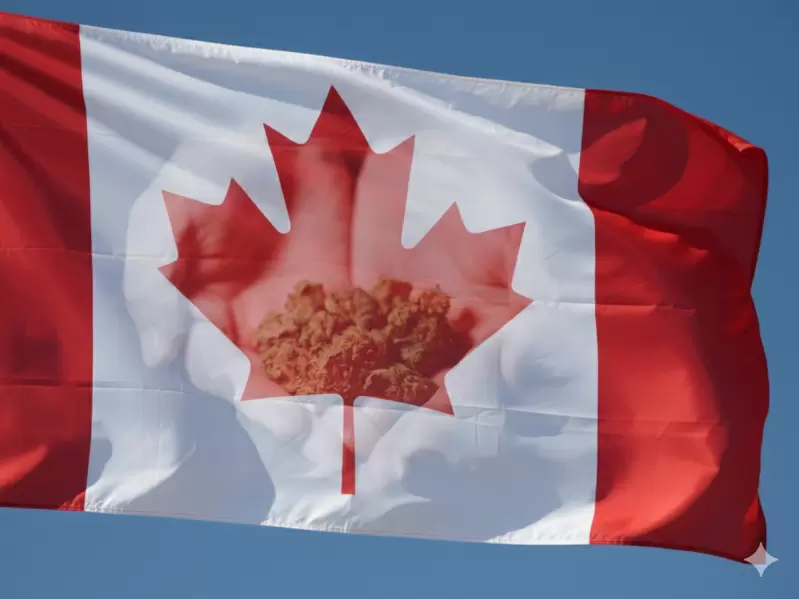 Representative image / AI generated
Quick and easy money continues to make the unemployed in general, and women in particular, vulnerable to exploitation by the underworld, as shown by the recent dismantling of an international drug-smuggling gang.
Even as security and law enforcement agencies repeatedly warn the public about deceptive online advertisements offering large sums of money along with all-expenses-paid international travel for carrying pre-packed consignments as accompanied baggage, many continue to fall into the trap.
A recent joint investigation by the Royal Canadian Mounted Police (RCMP) and the Canada Border Services Agency (CBSA) in Ontario led to the arrest of two men involved in a criminal operation that used online classified advertisements to recruit women to smuggle illegal drugs out of Canada through Toronto Pearson International Airport.
Despite continued advisories urging caution when responding to online job ads that promise large payments with little explanation and require international travel, many individuals remain unable to overlook such offers.
The investigation began after two Canadian women were arrested in Nigeria for attempting to transport cannabis into the country. They had been recruited through advertisements posted on the classifieds website LeoList, targeting women between the ages of 20 and 65.
The ads promised up to $20,000 in exchange for travelling in and out of Canada while carrying illicit drugs. Following a nine-month investigation, RCMP and CBSA officers were able to intercept and disrupt the scheme before an additional illicit shipment of 29 kilograms of cannabis could leave Canada.
As a result of the investigation, the RCMP Federal Policing – Central Region, Toronto Airport Detachment, charged Charles Adewoye, 48, of Toronto, and Shamaarke Jafar Ismail, 25, of the United Kingdom, with possessing and illicitly moving cannabis.
“This investigation demonstrates the importance of proactive policing in detecting and dismantling criminal operations that exploit vulnerable individuals,” said Superintendent Dale Foote, officer in charge of Federal Policing – Central Region Border Integrity. “The recruitment of unsuspecting community members for high-risk criminal activity is deeply concerning, and we are committed to pursuing anyone who engages in this behaviour.”
Lisa Janes, regional director general of the Canada Border Services Agency for the Greater Toronto Area region, said organised crime preys on vulnerable individuals.
“This case demonstrates the real cost of engaging in criminal activity,” Janes said. “The CBSA works in close collaboration with local and international law enforcement agencies to disrupt crime, keep Canada’s border strong, and stop those who try to endanger our communities. Information sharing with our partners is vital to border security and contributes to tackling head-on the international organised crime problem of networks operating across many countries.”
Amid growing criticism over the flourishing transnational drug trade, Canada is investing $1.3 billion to bolster border security and strengthen the immigration system, while keeping Canadians safe.
The CBSA and RCMP have been mandated to intercept and investigate smuggling attempts at the country’s borders and disrupt organised crime networks.
The RCMP supports the CBSA’s mandate at ports of entry by addressing inbound and outbound criminal threats through investigations and prosecutions related to narcotics smuggling.
Both agencies work closely, along with domestic and international law enforcement partners, to combat the impact of cross-border criminal activity on communities. They also collectively protect Canada from criminal threats through investigations and prosecutions tied to drug trafficking.
Smuggling narcotics and other Customs Act contraventions may lead to prosecution in a court of law. For foreign nationals, this can result in removal from Canada and a ban on re-entry, according to an official statement.
Related







ADVERTISEMENT
ADVERTISEMENT
E Paper
Video

Comments
Start the conversation
Become a member of New India Abroad to start commenting.
Sign Up Now
Already have an account? Login