ADVERTISEMENT
ADVERTISEMENT



Aparna Pande, Atman Trivedi stress resilience in U.S.-India ties
Aparna Pande, senior fellow at the Hudson Institute, said the China factor alone should not define the future of U.S.-India relations.
-
1759953093.png) Staff Reporter
Staff Reporter - Tue, 19, May 2026
- 03:19 EDT
- 90
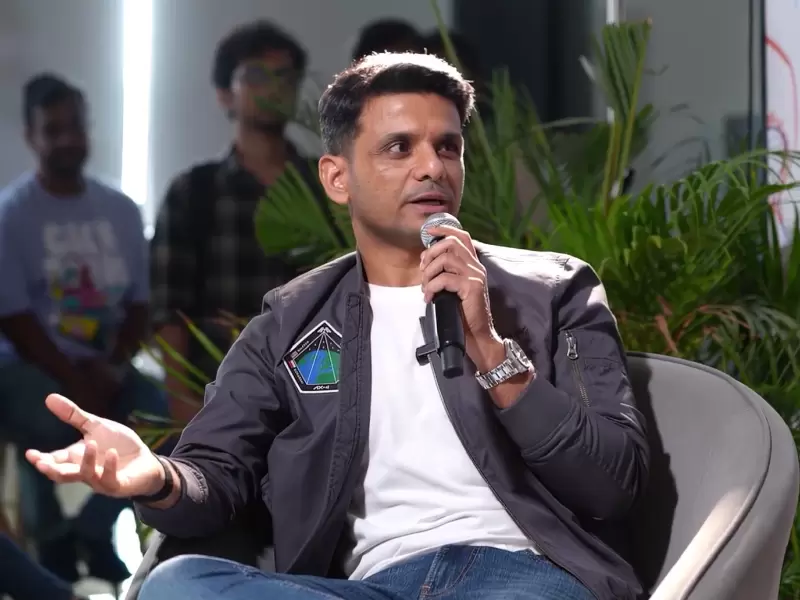
 South Asia expert Aparna Pande / Courtesy photo
South Asia expert Aparna Pande and strategic affairs specialist Atman Trivedi on May 18 said defense, technology and energy cooperation continued to provide resilience to the U.S.-India relationship despite recent geopolitical and economic tensions.
At the Capitol Hill Summit 2026 organized by the U.S.-India Friendship Council, both experts argued that the long-term strategic foundations of the partnership remained intact even amid disagreements over trade and immigration.
Trivedi, partner at Albright Stonebridge Group and moderator of a panel on defense, technology and energy cooperation, said the two countries had managed to preserve momentum in key strategic sectors despite visible policy disputes.
“Despite some visible disagreements, we’ve managed to see some progress in these areas,” Trivedi said. “If the two governments can manage to keep their focus, these pillars will only grow stronger in the years ahead.”
ALSO READ: Swadesh Chatterjee recalls turning point in U.S.-India ties
He described defense ties as the “linchpin” of the bilateral relationship and highlighted growing cooperation in artificial intelligence, semiconductor supply chains and energy infrastructure.
“India hosted the annual AI summit in February, the first of its kind in the Global South,” Trivedi said. “That event drove home that India sees the U.S. as its preferred partner on AI solutions.”
Trivedi also said both countries were increasingly investing in each other in areas ranging from clean energy to advanced technologies.
“These developments point to a degree of resilience and importantly the common strategic and commercial interests that bind us together,” he said.
Aparna Pande, senior fellow at the Hudson Institute, said the China factor alone should not define the future of U.S.-India relations.
“The China factor alone does not and should not define the core of the India-U.S. relationship,” Pande said.
She argued that democratic values remained the strongest foundation of the partnership between Washington and New Delhi.
“Values, not interests, define this partnership,” she said. “In geopolitics, interests change, but the values that underpin a democracy do not change that easily.”
Pande noted that while the broader relationship had faced “headwinds” over the last year and a half, sectors such as defense, technology and energy had remained relatively insulated from political tensions.
“The strongest peg of the partnership today is the defense relationship,” she said, citing renewed military agreements and growing operational cooperation between the two countries.
Pande also highlighted the rapid expansion of U.S. technology investment in India, noting that companies such as Amazon, Microsoft and Google had committed tens of billions of dollars in investments.
At the same time, she warned that recent geopolitical shifts had pushed India toward greater strategic hedging.
“India will balance and hedge to ensure it secures its interests, regional and global,” Pande said.
She said India continued to see the United States as its “most important relationship,” even as New Delhi maintained ties with Russia and managed a difficult relationship with China.
The summit brought together lawmakers, diplomats, business leaders and policy experts at a time of growing debate over trade disputes, visa restrictions and strategic competition in the Indo-Pacific.
Discover more at New India Abroad.
Leave A Comment
Related






ADVERTISEMENT

ADVERTISEMENT
E Paper
Video

Comments
Start the conversation
Become a member of New India Abroad to start commenting.
Sign Up Now
Already have an account? Login