ADVERTISEMENT
ADVERTISEMENT



Valuing contributions: The case for settled citizenship protections
Birthright citizenship has been the settled understanding of American law for over 150 years and treated as untouchable across generations of political change
-
 Shoba Viswanathan
 -
 Sameer Acharya
 - Sat, 25, Jul 2026
- 10:49 EDT
- 23
 Representative image / Pexels
America is a country full of kind and caring people. We say this not as a platitude, but as something our community has lived. Time and again, neighbors, coworkers, teachers, and even strangers we assumed might be unwelcoming have turned out to be warm, generous, and genuinely invested in our success.
The people we feared might see us as outsiders have, more often than not, shown up as friends. That is the America so many of us fell in love with, the one that made us want to build our lives here.
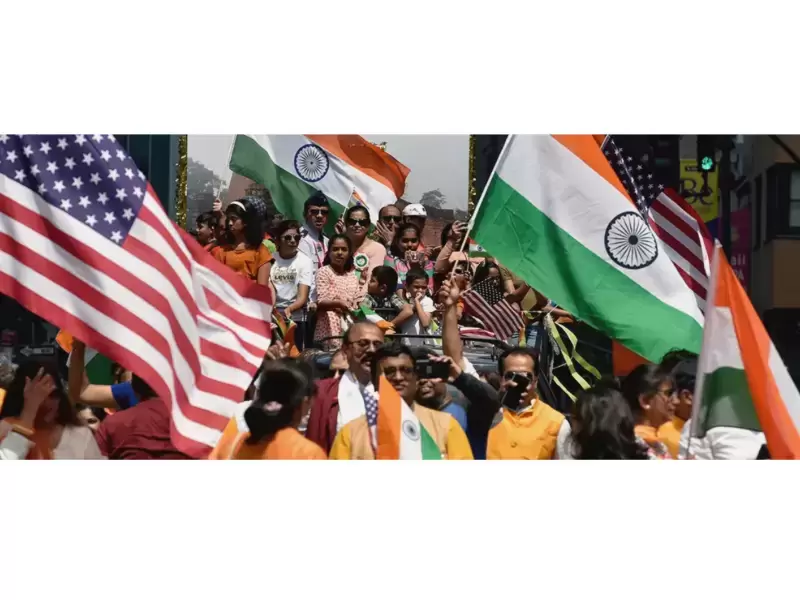
That is exactly why the recent push to end birthright citizenship has been so painful to watch. Our community - Indian Americans across every visa category, every generation, every walk of life includes U.S. citizens, green card holders, H-1B workers, international students, and many families still waiting years for their paperwork to clear. We come here to attend excellent universities. We come here to work for American companies, often in fields, medicine, engineering, technology, that this country depends on. We pay our taxes. We follow the law. We start businesses, coach our kids' soccer teams, and contribute to the culture and economy of every town we call home.
Also Read: What this summer’s Supreme Court rulings mean for Indians in America
This collective drive and talent is a reminder of a simple truth: immigration is not a burden to be tolerated, but a vital force that has always been one of America's greatest competitive strengths.
And yet, for over a year, families like ours were left to wonder whether the children they hadn't yet had would be considered American. Think about what that actually means for a young engineer on a work visa, or a graduate student finishing her PhD: Do you delay having children until your green card comes through, a process that can take a decade or more? Do you gamble that your child, born on U.S. soil to parents doing everything right, might not be recognized as a citizen? That is not a hypothetical for us. It is a conversation many Indian American families have actually had at their kitchen tables.
We should be honest about the "why now." Birthright citizenship has been the settled understanding of American law for over 150 years and treated as untouchable across generations of political change. It did not suddenly become a constitutional emergency. What changed is that anti-immigrant sentiment has once again become a winning political strategy, good for elections, good for cable ratings, good for stoking fear of people who, in reality, are simply trying to raise their families in peace.
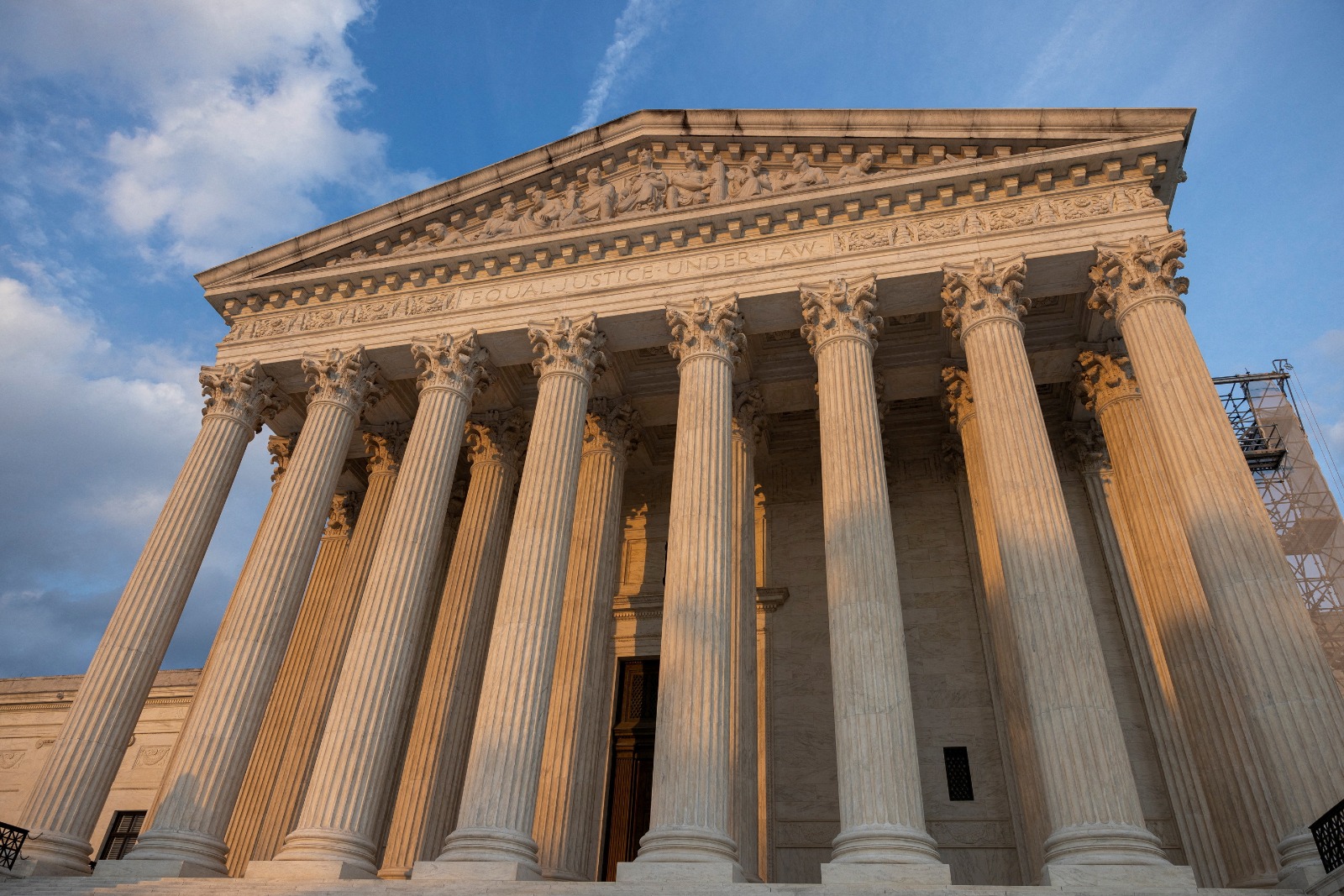
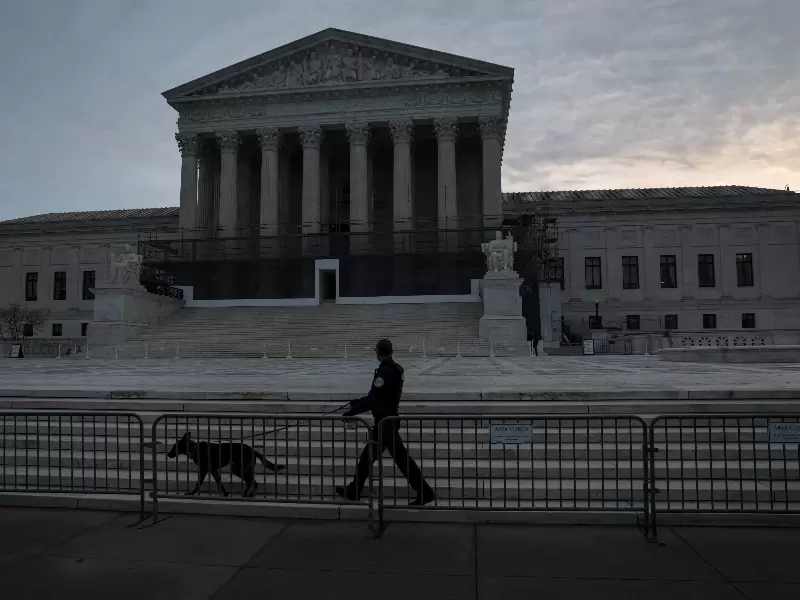
We were relieved when the Supreme Court struck down the executive order, reaffirming in a 6-3 decision that the Constitution guarantees citizenship to children born on American soil. But let's not kid ourselves: this fight is not over.
It is one front in a broader movement questioning who gets to belong in America, a movement that treats immigrant families, including families who have done everything by the book, as a threat to be managed rather than neighbors to be welcomed. The order never even took effect, and still, for more than a year, mixed-status families across this country lived with real uncertainty about their children's passports, benefits, and futures.
That uncertainty has a cost, even when the courts eventually get it right. What other settled protections could be tested next?
Families who build their lives here in good faith deserve to raise their children without fear that the ground could shift beneath them because of a campaign ad. We are asking our fellow Americans, the same kind and caring people we have come to know and trust, to see us clearly. Not as a political talking point, not as a threat to be managed, but as their neighbors.
We would simply like to stop having to prove that our families deserve to exist here.
(The views and opinions expressed in this article are those of the author and do not necessarily reflect the official policy or position of New India Abroad.)
Discover more at New India Abroad.
Leave A Comment
Related

.jpg)



ADVERTISEMENT

ADVERTISEMENT
E Paper
Video

Comments
Start the conversation
Become a member of New India Abroad to start commenting.
Sign Up Now
Already have an account? Login