ADVERTISEMENT
ADVERTISEMENT



Trump says tariffs will withstand legal challenges, boost US economy
President credits import duties with attracting trillions in investment and strengthening domestic manufacturing.
-
 IANS
IANS - Sat, 25, Jul 2026
- 02:36 EDT
- 26
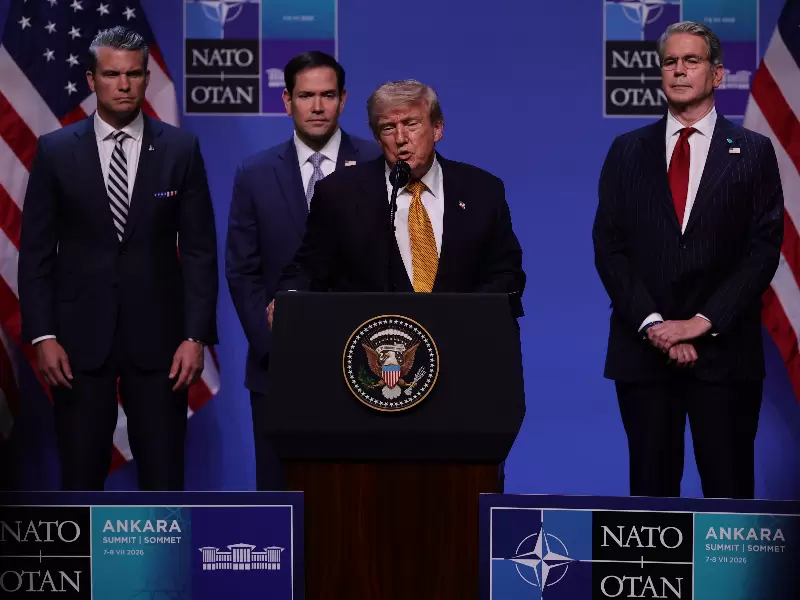
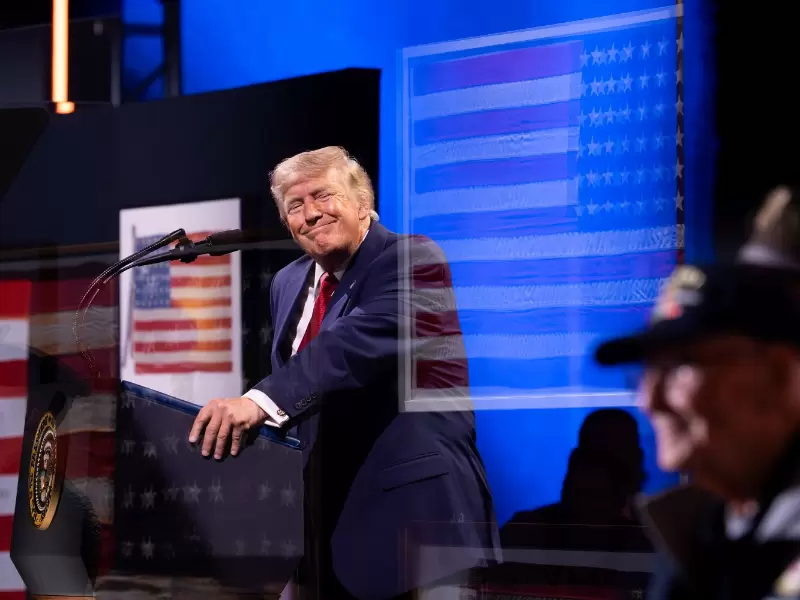 President Donald Trump defends his administration's tariff policy and investment strategy. / X@POTUS
President Donald Trump defended his administration's latest tariff measures, saying they would withstand legal challenges and arguing that the duties have helped attract trillions of dollars in investment to the United States.
Speaking during a wide-ranging White House question-and-answer session following an event on civilian nuclear energy, Trump dismissed concerns over the legal basis for the administration's tariff actions and said the policy was delivering significant economic benefits.
Also read: Sri Siddheshwar leads Guru Purnima program at Hofstra University
"These tariffs have been up for a long time. They've been approved for years, thousands of cases they've been approved," Trump said.
Asked whether newly announced tariffs and a new trade investigation involving the European Union would survive judicial scrutiny, Trump acknowledged that the administration had adjusted its legal approach following a recent Supreme Court ruling.
"I thought the decision by the Supreme Court was not a good one," he said.
"But we have many forms of tariffs and all we did is... follow the line."
Trump said the administration had relied on alternative legal authorities that had been used by previous governments.
"We've used that and we're taking in billions of dollars," he said.
The president again portrayed tariffs as a key driver of increased investment in the United States.
"Because of tariffs, largely... we have $19.2 trillion being invested in our country," Trump said.
He contrasted that figure with investment during the previous administration.
"The Sleepy Joe Biden administration has less than a trillion being invested, much less, for four years," he said.
"We have $19.2 trillion for one year. There's never been anything like it in history."
Trump argued that the investment surge would not have occurred without his trade policies.
"Without tariffs we wouldn't... we'd be in big trouble," he said.
The president said the administration had responded to the Supreme Court's ruling by using different statutory authorities.
"The Supreme Court said, please do it a different way. You have other ways to do it and we did that last month," he said.
Trump has made tariffs a central part of his economic agenda, arguing that import duties encourage companies to move manufacturing to the United States while generating additional federal revenue.
During the exchange, a reporter referred to child labor being cited by the Office of the United States Trade Representative as one of the reasons behind a recent trade action.
"Well, it seems to be that's what they decided," Trump said.
"They go all over the world and they look and they examine... and child labour was one of the reasons."
He did not elaborate further or identify a specific country.
Throughout the session, Trump linked trade policy with broader economic priorities, including manufacturing, energy production and domestic investment. He argued that tariffs had strengthened the U.S. economy by encouraging businesses to expand production within the country.
Tariffs remain a closely watched element of U.S. economic policy because of their impact on global trade, supply chains and inflation. Major economies, including the European Union, China and several Asian trading partners, continue to monitor Washington's trade actions as negotiations and legal disputes over tariff authorities continue.
Discover more at New India Abroad.
Leave A Comment
Related





ADVERTISEMENT

ADVERTISEMENT
E Paper
Video

Comments
Start the conversation
Become a member of New India Abroad to start commenting.
Sign Up Now
Already have an account? Login