ADVERTISEMENT
ADVERTISEMENT



Trump administration defends sweeping UN reforms under America First agenda
Officials cited historic budget cuts, peacekeeping reductions and management reforms.
-
 IANS
IANS - Thu, 23, Jul 2026
- 05:55 EDT
- 24
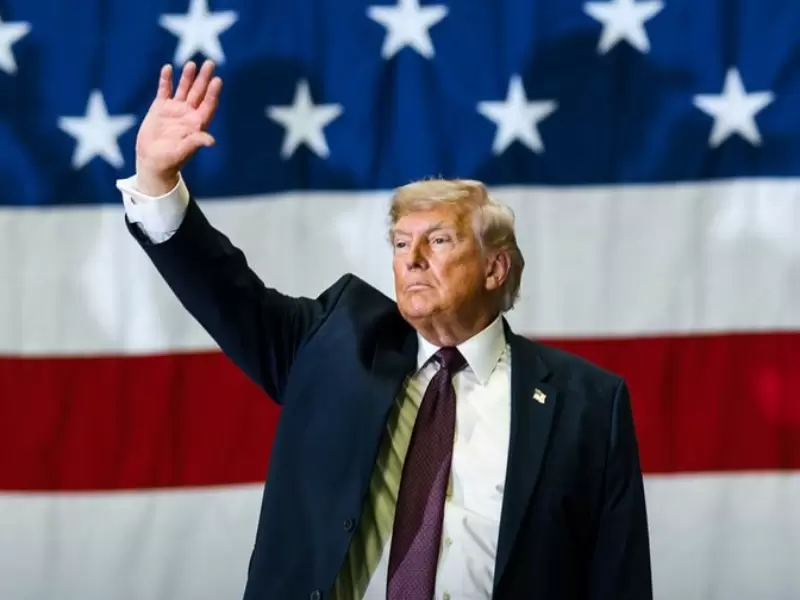 United States President Donald Trump / IANS
The Trump administration defended its sweeping overhaul of the United Nations, saying it has secured the largest budget cuts in the organization's history while refocusing the body on its original mission of maintaining international peace and security.
Appearing before the House Foreign Affairs Committee on Wednesday (local time), U.S. Ambassador to the United Nations Mike Waltz and Ambassador for U.N. Management and Reform Jeffrey Bartos said the administration had cut more than US$1 billion from U.N. budgets, reduced peacekeeping operations and eliminated thousands of civilian positions as part of its "America First" reform agenda.
Also read: An immigrant’s view of the Indian American rise
"We are getting the United Nations back to basics, back to maintaining the peace and maintaining security around the world," Waltz told lawmakers.
He argued that the organization had expanded far beyond its original purpose during its history.
"The UN has tried to become all things to all people and has literally done nothing but grow," Waltz said.
According to Waltz, the administration worked with member states to reduce the U.N. budget by US$1 billion over the past six months, describing it as the first overall budget reduction in the organization's history.
He said the reform effort had also eliminated 4,000 headquarters positions, reduced global peacekeeping deployments by 25 percent and ended missions that had failed to achieve their mandates.
"We've also eliminated 4,000 headquarters bureaucrats, cut peacekeepers by 25 percent around the world and, importantly, we've ended peacekeeping missions that have not lived up to their mandate," Waltz said.
Among the missions he singled out was the U.N. Interim Force in Lebanon (UNIFIL), which he said "needs to stand down."
Bartos described the budget reductions as unprecedented.
"We have achieved US$1.1 billion in budget cuts across the regular budget and the peacekeeping budget," he said.
He also said the reforms had resulted in the elimination of 4,000 civilian positions and the repatriation of roughly one-quarter of U.N. peacekeepers, including personnel accused of sexual exploitation and abuse.
Bartos said changes had also been introduced to the reimbursement system for peacekeeping equipment.
Previously, troop-contributing countries could receive payments for deploying equipment regardless of whether it was operational.
"Now, to get reimbursed you have to put the equipment into use. It has to be used. It has to be working. It has to be effective," he said, estimating the change would save about US$30 million annually.
Republican lawmakers largely praised the administration's efforts, arguing that the United Nations had become bloated, inefficient and increasingly disconnected from its founding principles.
Committee Chairman Brian Mast described the organization as "a corrupt, entrenched den of snakes" and argued that American taxpayers should no longer finance programs that fail to advance U.S. interests.
Democratic lawmakers challenged that assessment, warning that deep funding cuts could weaken U.S. leadership in international institutions and create opportunities for rivals such as China to expand their influence.
Ranking Member Gregory Meeks argued that reforms should strengthen, rather than diminish, U.S. engagement with the United Nations.
"This is not reform. This is retreat," Meeks said.
Waltz rejected that characterization, saying the administration was pursuing reform rather than withdrawal.
"Our charge is to make the UN great again," he said.
The United States is the largest financial contributor to the United Nations, providing a significant share of the organization's regular budget and peacekeeping operations. The Trump administration has made U.N. reform a central element of its foreign policy, arguing that U.S. funding should be tied to measurable performance, reduced bureaucracy and closer alignment with American strategic interests.
Discover more at New India Abroad.
Leave A Comment
Related




ADVERTISEMENT

ADVERTISEMENT
E Paper
Video

Comments
Start the conversation
Become a member of New India Abroad to start commenting.
Sign Up Now
Already have an account? Login