ADVERTISEMENT
ADVERTISEMENT



Three scientists of Indian descent among 80 appointed to Order of Canada
Mary Simon made these new appointments to the Order of Canada that include 6 Companions, 15 Officers, and 59 Members. Six appointments are promotions within the Order, and another represents an honorary appointment.
-
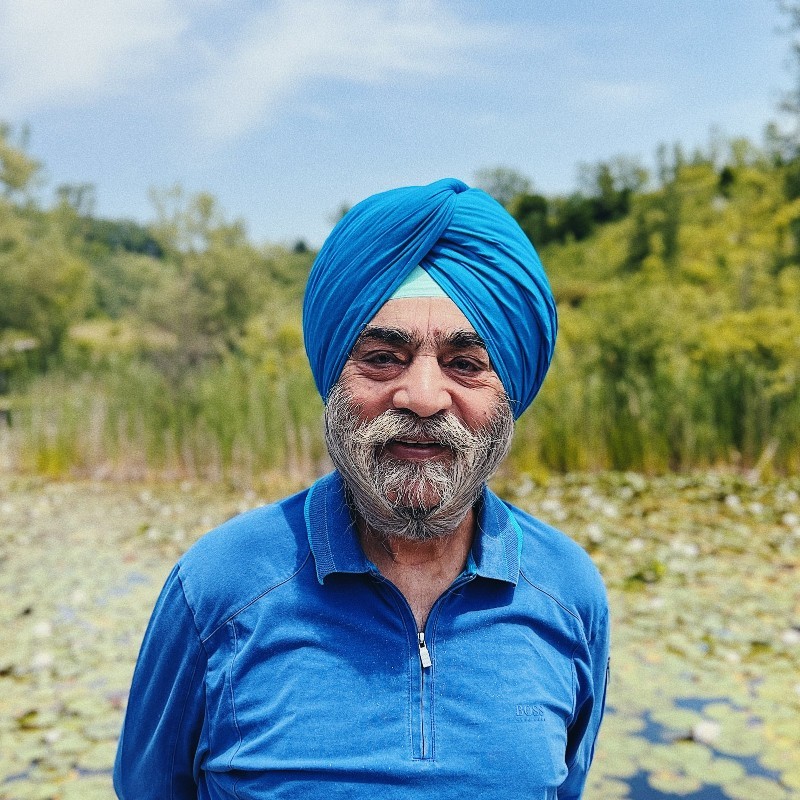 Prabhjot Paul Singh
 - Fri, 02, Jan 2026
- 03:56 EST
- 302
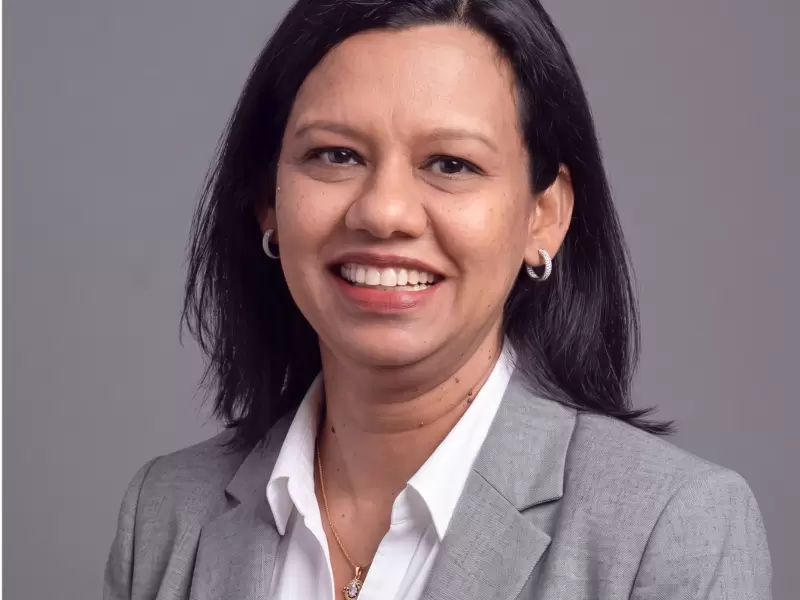
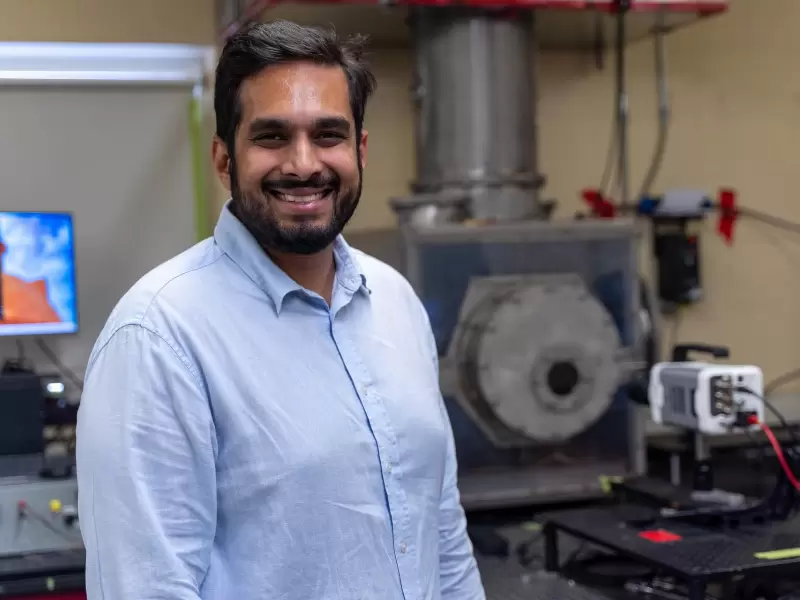
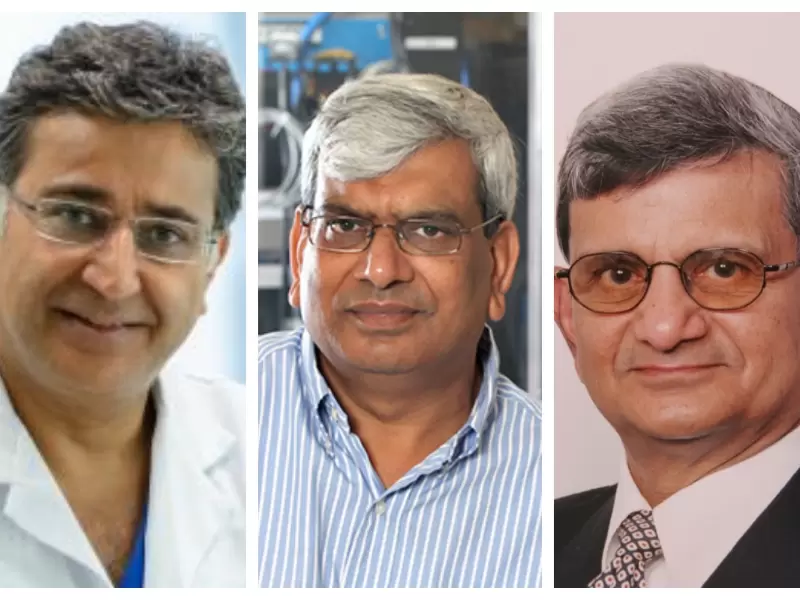 Dr. Shaf Keshavjee, Praveen Jain and Chandrakant Padamashi Shah / UHN Research, Queen's University and Consulate General of India via Instagram
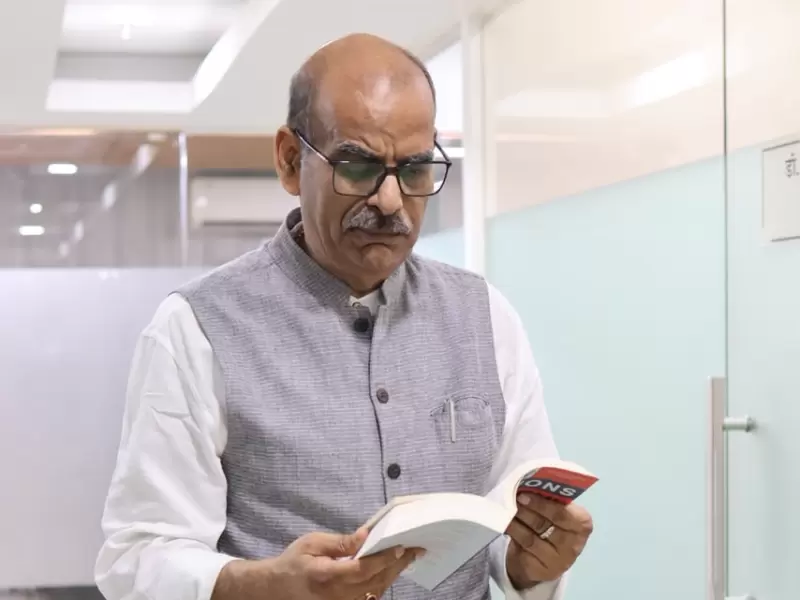
When Canada talks about taking “brains” or top “scientists” under its refabricated program, it probably refers to the likes of thoracic surgeon Shaf Keshavjee, inventor and electrical engineer Praveen Jain, and professor of public health Chandrakant Padamashi Shah, who have over the years not only made a name in their respective fields but have also contributed immensely to the country they opted to make their home.
They figure in the list of 80 appointed to the Order of Canada by the Governor General, Mary Simon, on the last day of the last year. Also in the list is the top Canadian sprinter, Andre de Grasse, winner of seven Olympic medals.
Mary Simon made these new appointments to the Order of Canada that include 6 Companions, 15 Officers, and 59 Members. Six appointments are promotions within the Order, and another represents an honorary appointment.
The Order of Canada is the cornerstone of the Canadian Honours System. Since its creation in 1967, more than 8,250 people from all sectors of society have been appointed to the Order. The contributions of these trailblazers are varied, yet they have all enriched the lives of others and made a difference to this country.
ALSO READ: Indian-origin scientists awarded for self-cloning crops
“The Order of Canada fosters a sense of pride and cohesion in our country. Every appointment celebrates not only the talent, expertise, and dedication of individuals but also the countless lives they have touched through their work, vision, and contributions. Their commitment extends beyond borders, inspiring progress in our communities, our country, and around the world. I offer my heartfelt congratulations to each new appointee on this well‑deserved recognition,” says Mary Simon while making the appointments.
The Order of Canada is one of the country’s highest honours. It recognises people across all sectors of society who have made extraordinary and sustained contributions to our nation. Its motto, Desiderantes Meliorem Patriam, translates to “They desire a better country.”
A member or an officer of the Order of Canada can be promoted to a higher level if he or she demonstrates further exceptional achievement. Nominations for a promotion can be considered a minimum of five years after the last appointment.
Thoracic surgeon Shaf Keshavjee is a world-renowned lung transplant specialist whose groundbreaking work has transformed transplant surgery globally. He continues to expand possibilities within regenerative medicine, particularly through advancements in lung preservation during critical transplant procedures. He also excels as an educator and hospital administrator, shaping the future of health care through innovation and leadership. Currently, he is the Surgeon-in-Chief of the Sprott Department of Surgery, the Director of the Toronto Lung Transplant Program and Latner Thoracic Research Laboratories at UHN, and a Professor of Thoracic Surgery at the University of Toronto.
Furthermore, he is a member of the Order of Ontario and has been awarded two Queen Elizabeth II Diamond Jubilee Medals. In 2020, he received the prestigious Governor General of Canada’s Innovation Award. Other notable recognitions include UHN's Inventor of the Year Award, Canada’s Top 40 Under 40, and the Lifetime Achievement Award from the Canadian Society of Transplantation.
Keshavjee was 12 when he moved to Toronto from Kenya with his mother and his businessman father. The young Shaf was drawn to the sciences at North Toronto Collegiate. “I always knew I wanted to be a surgeon,” he recalls. “Not just a doctor, but a surgeon.”
As a dedicated student, he hardly faced any problems getting into medical school at the University of Toronto. Though transplant surgery was never a consideration until the afternoon of November 7, 1983, when he was driving over a bridge on Mount Pleasant Avenue and heard on the radio that surgeon Dr Joel Cooper and his team had conducted the world’s first successful single lung surgery at Toronto General Hospital (TGH).
“I thought, wow, that’s cool,” media quoted him saying about his early days.
The risky procedure had been tried 44 times before without success. Three of those failures had been in Toronto. Most patients did not survive more than two weeks
Three years later, Keshavjee was on hand when history was made the second time at TGH. He was a surgery resident when he scrubbed in to the operating room to witness the world’s first successful double lung transplant surgery on November 26, 1986. That day, Keshavjee stayed mostly on the sidelines, watching the “giants” of thoracic surgery in action. On the operating table lay Canadian Ann Harrison, whose lungs had been virtually destroyed by emphysema.
Doctors told her that without surgery, she could just survive for a few months. Intriguingly, they also told her that even with the surgery, she may not be able to make it beyond the surgery table. She did and lived on for another 14 years.
“By this time, all the other organs had been transplanted, but the lungs hadn’t,” says Keshavjee. “The first kidney and heart transplants were done in the ‘50s.”
He completed his medical training at the University of Toronto in 1985 and specialised in general surgery, cardiac surgery, and thoracic surgery. He participated in the world’s first successful double lung transplant at Toronto General Hospital in 1986. Dr Keshavjee completed fellowships at Harvard University and the University of London. During his master’s studies, Dr. Keshavjee developed a lung preservation solution for donor lungs that has now been translated into clinical use around the world. Since then, he has led the development and translation of many innovations to the clinic, including the Ex Vivo Lung
Another appointee to the Order of Canada is Praveen Jain, a leading inventor in electrical energy processing who has advanced efficient power generation, transmission, and use through electronics. A Queen’s University professor and founder of its Centre for Energy and Power Electronics Research, he has shaped the field while mentoring more than 100 trainees, earning recognition as an outstanding educator and innovator.
For the past 24 years, Praveen Jain has been actively involved in the research and development of high-frequency power conversion technologies. He is considered one of the leading authorities in the world in the practical applications of power electronics.
Jain has a natural ability to envision simple solutions to complex technical problems and then transfer these solutions into new designs. This ability has made him a tremendous asset to both academe and industry, to which he has successfully transferred technology from the university laboratory.
His work has resulted in 25 patents and over 200 publications. His designs have been successfully applied to telecom power supplies, induction melting, computers, and space systems throughout the world.
At Queen’s University, where he is a professor of electrical and computer engineering and Canada research chair in power electronics, Jain was able to attract millions of dollars in funding to conduct research and develop Canada’s first high-frequency power electronics laboratory. He has also supervised and guided over 50 graduate students, postdoctoral fellows, and power electronics engineers in academic and industrial research.
He has received many awards and honours for his work, including a prestigious Tier 1 Canada Research Chair in Power Electronics at Queen’s University, an Innovation Award from the Canada Foundation for Innovation, and an Ontario Distinguished Researcher Award from the Ontario Innovation Trust. He has also been named a Fellow of the Institute of Electrical and Electronics Engineers (IEEE).
The third appointee of Indian descent, Chandrakant Padamashi Shah, Professor Emeritus at the University of Toronto’s Dalla Lana School of Public Health, transformed public health education nationwide and championed Indigenous health throughout his career. He reshaped Canada’s citizenship exam and established the country’s first endowed Indigenous health chair, leaving a profound legacy of inclusion, scholarship, and systemic reform.
"The ninth of fifteen children in a small town in Maharashtra, India, Chandrakant Shah managed to attend medical school through diligent study, sometimes under an oil lamp. Like many others of his age, he went abroad for better opportunities, finally arriving in Canada, where he joined the School of Public Health at the University of Toronto. In Canada, he was immediately struck by the inequities in health and social services for the poor and the Aboriginal populations.
Through the University of Toronto, he became involved with the Sioux Lookout Zone Program in Northwestern Ontario by volunteering his pediatric services to the remote and isolated First Nations communities. This sparsely populated region became his second home for a number of years. Throughout his professorship at the university, he worked tirelessly to draw attention to existing inequalities and to rectify them. In addition, he made important contributions to the teaching of public health in Canada and wrote the first comprehensive textbook on the subject that is now in its sixth edition. He retired in 2001 and was invited to work as a primary care physician at Anishnawbe Health Toronto (AHT), an Aboriginal community health centre.
Leave A Comment
Related



ADVERTISEMENT

ADVERTISEMENT
E Paper
Video

Comments
Start the conversation
Become a member of New India Abroad to start commenting.
Sign Up Now
Already have an account? Login