ADVERTISEMENT
ADVERTISEMENT



The missing bridge to universal peace
Why Reason Needs Internal Excellence
-
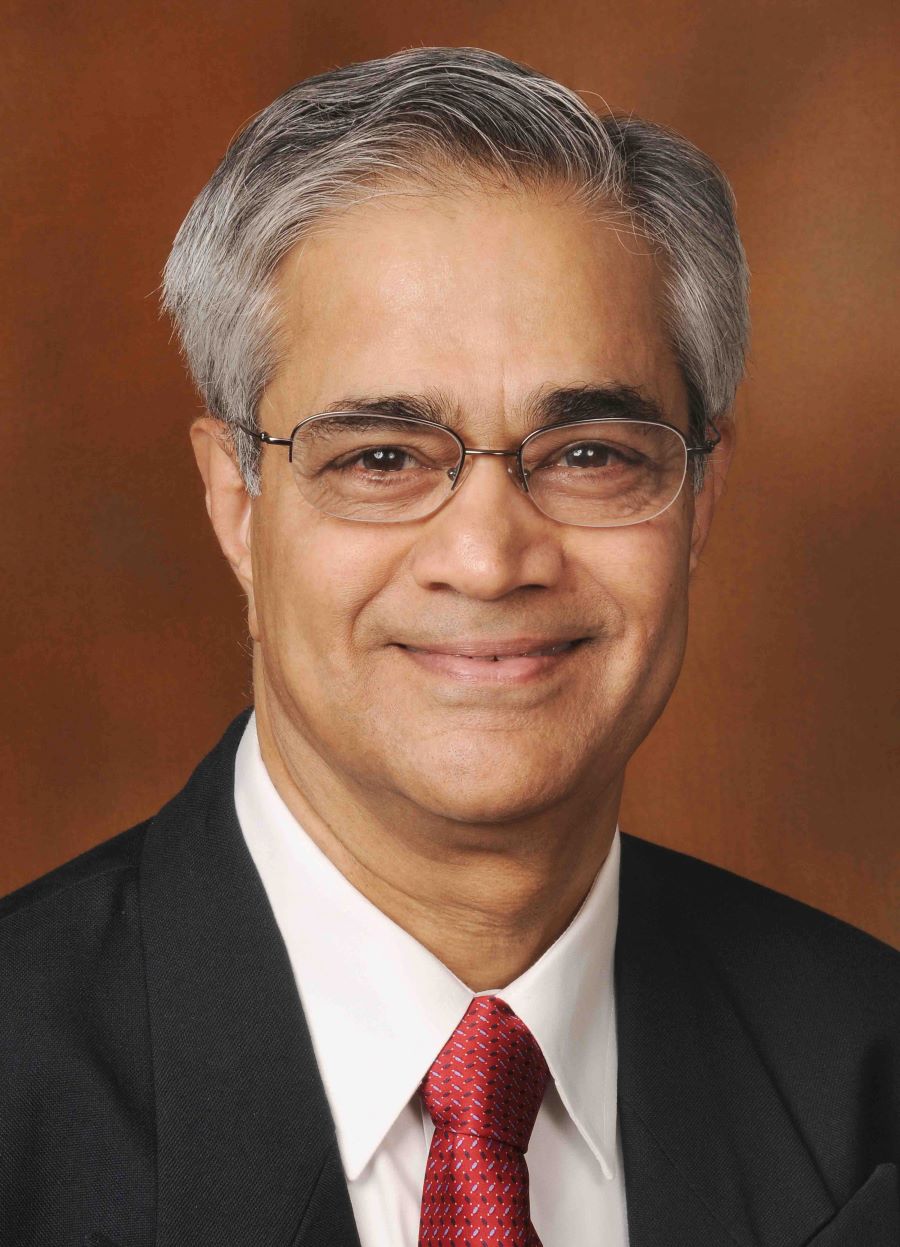 Pradeep B. Deshpande
 - Fri, 29, May 2026
- 17:40 EDT
- 1384
 Representative Image / Generated using AI
The modern world is a monument to the triumphs of human reason. Through the rigorous application of logic, empirical inquiry, and scientific methodology, humanity has mastered the external world to an unprecedented degree. We have decoded genomes, automated complex industrial systems, and built global communication networks that operate at the speed of light.
Yet, alongside this pinnacle of external capability lies a stark, unsettling paradox: our internal world is in a state of escalating chaos. Despite our material and technological sophistication, global society remains fractured by polarization, deep-seated conflict, and an epidemic of chronic stress and anxiety.
Also Read: Architecture of peace: Why the heart must lead where reason cannot
The tool we have relied upon to solve our greatest challenges—the rational mind—appears entirely insufficient to solve the crisis of human suffering. This imbalance reveals a critical systemic gap: while our external tools are highly optimized, the internal state of the human being directing those tools remains unmanaged. To achieve a peaceful world envisioned by global leaders like His Holiness the Dalai Lama, we must identify and build the explicit structural bridge between external reason and internal transformation.
Why Reason Fails at Self-Regulation
For decades, audiences in the West have been drawn to a rational approach to global peace. It appeals directly to the logical, scientific mind. When high-profile calls are made for secular ethics, compassion, and mindfulness, they are embraced as noble ideals. However, a crucial link is frequently left unexamined: why are science and reason, despite their immense utility, fundamentally incapable of creating internal peace on their own?
The answer lies in the structural limitation of the rational mind. Reason is an exceptional information processor, designed to analyze data, calculate probabilities, and optimize external outcomes. But reason is an outward-facing instrument. It operates under the laws of logic, meaning it is entirely dependent on the quality of the “internal environment” from which it originates.
If the underlying human system—the neurophysiology and emotional architecture—is flooded with stress, fear, or tribal bias, the rational mind does not override these states; it simply rationalizes them. Reason becomes an optimizer for our underlying dysregulation. A highly intelligent, rational mind operating from a state of internal hostility merely creates more sophisticated mechanisms for conflict. Reason can map the path to peace, but it lacks the native mechanism to alter the internal human intent required to walk it.
The Bridge: Contemplative Practice as Internal Engineering
This is precisely where mindfulness and meditation must be integrated—not as mystical escapes, nor merely as passive relaxation techniques, but as precise, objective interventions for internal engineering.
To bridge the gap between reason and peace, we must look at the human being as a complex, interconnected system where the mind and body exist in a continuous feedback loop. When a person experiences stress or emotional turmoil, their autonomic nervous system enters a state of chaos. This physiological incoherence actively impairs the prefrontal cortex—the very seat of working memory, emotional regulation, and rational decision-making.
Mindfulness and contemplative practices are systematic methods to alter this underlying physiology. By focusing attention and regulating respiration, these practices shift the nervous system out of a reactive, survival-driven mode and into a state of coherence. This transformation can be measured objectively through physiological metrics, such as Heart Rate Variability (HRV), which quantify the stability and resilience of the human system.
Contemplative Practice ⟶ Physiological Coherence ⟶ Optimized Prefrontal Cortex ⟶ Objective Reason & Compassion
When the internal system is stabilized, the operational parameters of the mind change. True mindfulness alters the baseline state of the observer. It creates a psychological space between an external stimulus and an internal reaction, allowing an individual to choose their response rather than react blindly. Contemplative practice is the stabilizing mechanism that prepares the human processor to think and act with genuine objectivity.
The Synthesis: A Framework for Total Excellence
To accelerate the global movement toward sustainable peace, the public discourse must evolve beyond general appeals to “be compassionate.” We must champion a unified framework that demands two distinct, yet complementary, pillars of human performance:
-
External Excellence: Driven by science, technology, and the rational mind, focused on solving structural, material, and logistical problems.
-
Internal Excellence: Driven by systematic, daily contemplative practices, focused on self-regulation, emotional coherence, and mental stability.
Without internal excellence, external progress is volatile and easily corrupted by human error. Conversely, without external excellence, internal peace lacks the practical tools to alleviate physical suffering on a global scale.
When these two pillars are explicitly linked, the vision of a more peaceful world transitions from a distant, idealistic hope into an achievable, scientific certainty. Reason provides the maps and the metrics for external progress, but only systematic internal self-regulation provides the stable, coherent foundation required to navigate that progress wisely. By making this connection explicit, we can equip humanity with the complete blueprint necessary for true and lasting flourishing.
The author is Professor Emeritus and former Chairman of the Chemical Engineering Department at the University of Louisville. He is also president of Six Sigma and Advanced Controls based in Louisville, Kentucky.
(The views and opinions expressed in this article are those of the author and do not necessarily reflect the official policy or position of New India Abroad.)
Discover more at New India Abroad.
Leave A Comment
Related









ADVERTISEMENT

ADVERTISEMENT
E Paper
Video

Comments
Start the conversation
Become a member of New India Abroad to start commenting.
Sign Up Now
Already have an account? Login