ADVERTISEMENT
ADVERTISEMENT



Smoking, vaping, and our youth: What parents need to know in 2026
From a pediatric perspective, protecting our children requires teamwork between families, schools, healthcare providers, and communities.
-
 Dr. Niru Prasad
 - Fri, 22, May 2026
- 17:26 EDT
- 294
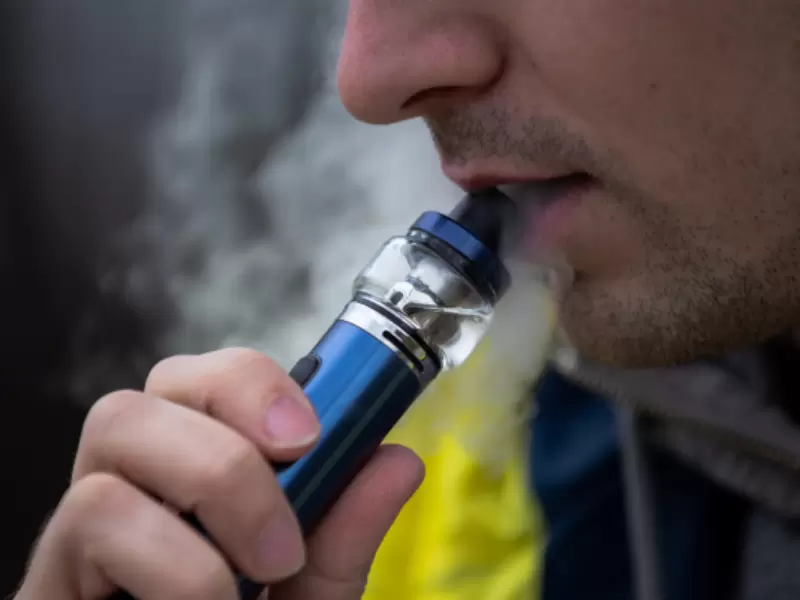 Representative Image / Canva
Over the past two years encouraging reports from public health experts show that traditional cigarette smoking and vaping among adolescents have declined. However a new concern has emerged: the rapid rise of disposable flavored vape products which continue to attract teenagers and young adults
According to recent national surveys more than 16 million students in the United States still report using e-cigarettes, including both middle school and high school students. Many are using prefilled pods refillable cartridges or disposable devices that are easy to conceal and widely marketed.
Also Read: Rep. Krishnamoorthi urges FDA crackdown on illegal e-cigarettes
Why Is This So Concerning
Most e-cigarettes contain nicotine a highly addictive chemical that can interfere with brain development well into the mid-twenties. The areas most affected are those responsible for
- Attention
- Learning
- Mood regulation
- Impulse control
Young brains are particularly sensitive to nicotine exposure, making early addiction especially dangerous.
What Is Driving Youth Vaping
Several factors continue to influence adolescent nicotine use:
- Availability of flavored products
- Social media advertising
- Peer influence
- Easy access to disposable devices
- Curiosity and stress coping behaviors
Studies also show differences in use among various demographic groups, reminding us that prevention efforts must reach all communities.
Hidden Risks Beyond Nicotine
Many families are surprised to learn that some people also use vaping devices to deliver cannabis or marijuana products.
Recent studies associate vaping with:
- Chronic cough and wheezing
- Lung inflammation
- Increased cardiac stress
- Anxiety and depression
- Memory and concentration difficulties
Heavy metals such as nickel tin and lead have also been detected in some vaping aerosols, raising additional long-term health concerns.
What Can Parents and Schools Do
Parents, teachers, school nurses, and administrators all play a vital role.
Helpful strategies include:
- Open nonjudgmental conversations
- School-based evidence-driven prevention programs
- Monitoring social media exposure
- Teaching healthy coping skills
- Early pediatric counseling when concerns arise
Tips for Quitting
For adolescents or adults trying to quit:
- Set a quit date within two weeks
- Remove vaping or smoking products from home
- Use exercise hobbies or meditation to manage cravings
- Seek counseling or support groups
- Consider nicotine replacement therapy when appropriate
Simple techniques such as deep breathing, drinking water, delaying the urge, and staying physically active can help during withdrawal.
Final Thoughts
From a pediatric perspective, protecting our children requires teamwork among families, schools, healthcare providers, and communities. Prevention begins with education honest conversations and healthy role modeling.
The goal is simple: healthy lungs, healthy brains, and a healthier future for the next generation.
The writer is a physician for over 30 years certified in Pediatrics and Emergency Medicine.
Discover more at New India Abroad.
Leave A Comment
Related





.png)






ADVERTISEMENT

ADVERTISEMENT
E Paper
Video

Comments
Start the conversation
Become a member of New India Abroad to start commenting.
Sign Up Now
Already have an account? Login