ADVERTISEMENT
ADVERTISEMENT



US seeks UN action over Hormuz threat
The proposal comes amid growing tensions in the Gulf region and renewed concerns over disruptions to global trade and energy supplies.
-
 IANS
IANS - Tue, 05, May 2026
- 16:17 EDT
- 34
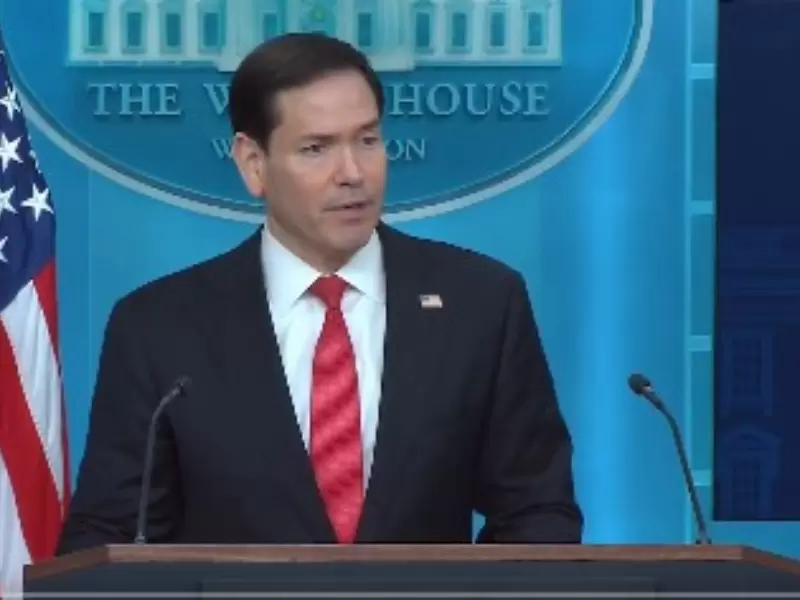 Marco Rubio / Department of State's X account
The United States has proposed a UN Security Council resolution accusing Iran of threatening global shipping and destabilising one of the world's most critical energy routes, the Strait of Hormuz.
US Secretary of State Marco Rubio said on May 6 that the Trump administration, working with key Gulf allies, had drafted the resolution to defend freedom of navigation in the strategic waterway through which a major share of global oil shipments passes.
Also Read: JD Vance backs Ramaswamy in Ohio primary
"The Islamic Republic of Iran continues to hold the world's economy hostage with its efforts to close the Strait of Hormuz, threats to attack ships in the Strait, laying of sea mines that pose a danger to shipping, and attempts to charge tolls for the world's most important waterway," Rubio said in a US State Department statement.
The proposal comes amid growing tensions in the Gulf region and renewed concerns over disruptions to global trade and energy supplies.
The Secretary of State said the draft resolution was prepared "at President Trump's direction" alongside Bahrain and Gulf partners -- Saudi Arabia, the United Arab Emirates, Kuwait and Qatar.
According to the US State Department, the resolution requires Iran to "cease attacks, mining, and tolling" in the Strait of Hormuz.
It also demands that Tehran disclose "the number and location of the sea mines it has laid" and cooperate with efforts to remove them.
The draft further supports the establishment of a humanitarian corridor, though the statement did not provide details on how such a corridor would operate.
"The United States looks forward to this resolution being voted on in the coming days and to receiving support from Security Council members and a broad base of co-sponsors," Rubio said.
The Strait of Hormuz is one of the world's most strategically important maritime passages, linking Gulf oil producers to global markets through the Arabian Sea.
Any disruption in the narrow shipping lane can rapidly affect crude prices, shipping costs and international supply chains.
The UN Security Council has debated maritime security issues linked to Iran several times in recent years, though divisions among major powers, including China and Russia, have often complicated efforts to pass coordinated measures targeting Tehran.
China, one of the world's largest importers of Gulf energy supplies, closely monitors developments in the Strait of Hormuz because of its importance to global oil flows and trade routes.
Discover more at New India Abroad.
Related










ADVERTISEMENT

ADVERTISEMENT
E Paper
Video

Comments
Start the conversation
Become a member of New India Abroad to start commenting.
Sign Up Now
Already have an account? Login