ADVERTISEMENT

ADVERTISEMENT



Trump defends auto tariffs, targets China over ‘unfair’ import surge
Trump said foreign automakers, including Chinese companies, were being forced to reconsider their strategies because of the tariff.
-
 IANS
IANS - Wed, 14, Jan 2026
- 03:25 EST
- 68
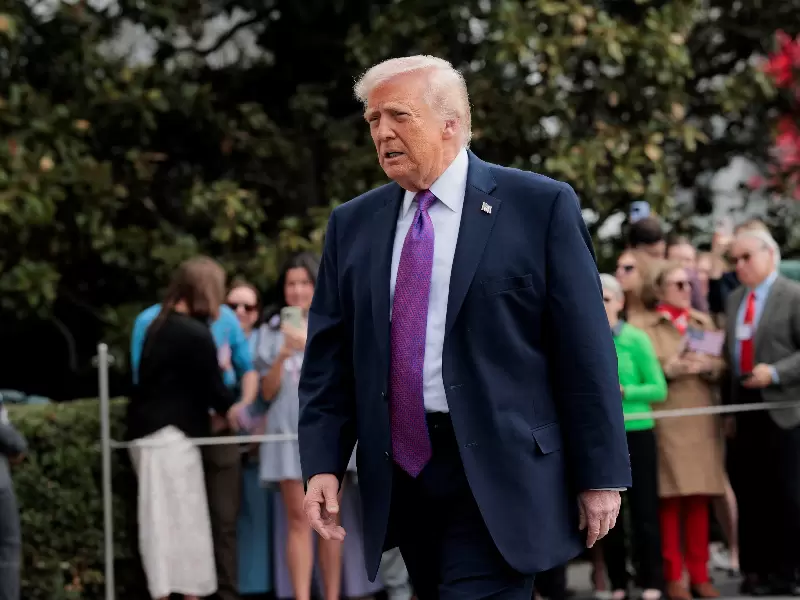
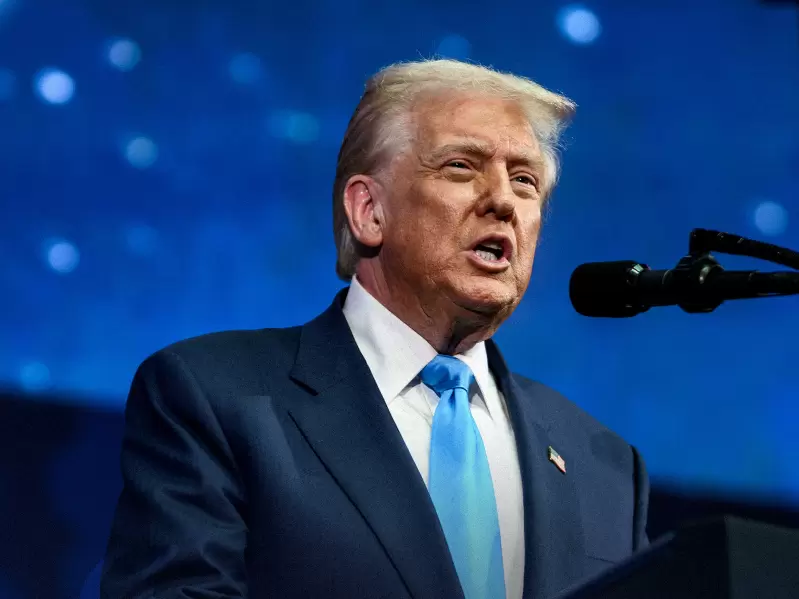 President Donald Trump / X/@WhiteHouse
U.S. President Donald Trump on Jan.14 defended his tariff-driven trade policy, saying a 25 percent tariff on foreign automobiles was aimed at stopping what he described as an unfair surge of auto imports, with China at the center of his criticism.
Speaking at the Detroit Economic Club, Trump said tariffs were essential to protecting American manufacturing and workers, particularly in the auto sector.
“As I promised you, I’ve imposed a 25 percent tariff on all foreign automobiles,” Trump said. “I’m standing up for the American auto worker like no president has ever stood up before.”
Trump said foreign automakers, including Chinese companies, were being forced to reconsider their strategies because of the tariff.
“Let China come in, let Japan come in,” he said. “They are, and they’ll be building plants, but they’re using our labor.”
He said the tariffs were designed to ensure that cars sold in the U.S. are built domestically rather than imported. “I want to build the cars here,” Trump said.
ALSO READ: India-U.S. ties face strain amid Trump tariffs
Trump rejected arguments that tariffs hurt American consumers, asserting that foreign countries and companies bear the cost.
“The evidence shows overwhelmingly that the tariffs are not paid by American consumers,” he said. “They’re paid by foreign nations and middlemen.”
Trump said the auto tariffs were already driving new investment into the United States. “U.S. auto factories are now seeing more than $70 billion in new investment,” he said.
He highlighted commitments by major automakers as proof of the policy’s impact.
“Ford has announced it will invest $5 billion across its Michigan and Kentucky plants, creating 4,000 new jobs,” Trump said.
He also pointed to General Motors’ decision to shift production back to the United States. “GM is moving production of the Chevy Blazer and Equinox from Mexico right back here to America,” he said.
Trump said Stellantis was also expanding its U.S. footprint. “Stellantis is investing $13 billion to expand its U.S.-based manufacturing plant by more than 50 percent,” he said.
Trump framed the tariff policy as a response to decades of industrial decline, which he blamed on foreign trade practices.
“You lost 57 percent of your car industry,” he said, referring to Detroit’s past decline. “The good news is you’re getting it back.”
He said China had benefited for decades from what he described as weak U.S. trade enforcement. “China is one of our biggest taxpayers right now,” Trump said, referring to tariff revenue.
Trump also described tariffs as a national security measure. “It’s so great for national security,” he said.
He criticized legal challenges to his tariff authority, saying they were driven by foreign interests.
“You have the Supreme Court now going to rule on whether or not we can use tariffs,” Trump said. “People that are foreign-centric, China-centric.”
Trump said tariffs had helped sharply reduce the U.S. trade deficit. “In a short period of time, we cut it by 62 percent,” he said.
He argued that tariffs historically strengthened the United States. “It was the tariff that made America strong and powerful in past generations,” Trump said.
Trump said his administration would continue to rely on tariffs to force manufacturing back into the country. “They were leaving,” he said. “Now they’re pouring back.”
Automobiles have become a growing point of friction as Chinese carmakers expand globally and seek entry into major markets.
Discover more on NewIndiaAbroad
Related





ADVERTISEMENT

ADVERTISEMENT

ADVERTISEMENT
E Paper
Video

Comments
Start the conversation
Become a member of New India Abroad to start commenting.
Sign Up Now
Already have an account? Login