ADVERTISEMENT
ADVERTISEMENT



Rep. Khanna lauds third judge’s order to unseal Epstein records
Khanna said he welcomed the ruling but cautioned that he would monitor the Justice Department for any attempt to delay compliance.
-
 Malvika Choudhary
 - Fri, 12, Dec 2025
- 12:36 EST
- 11
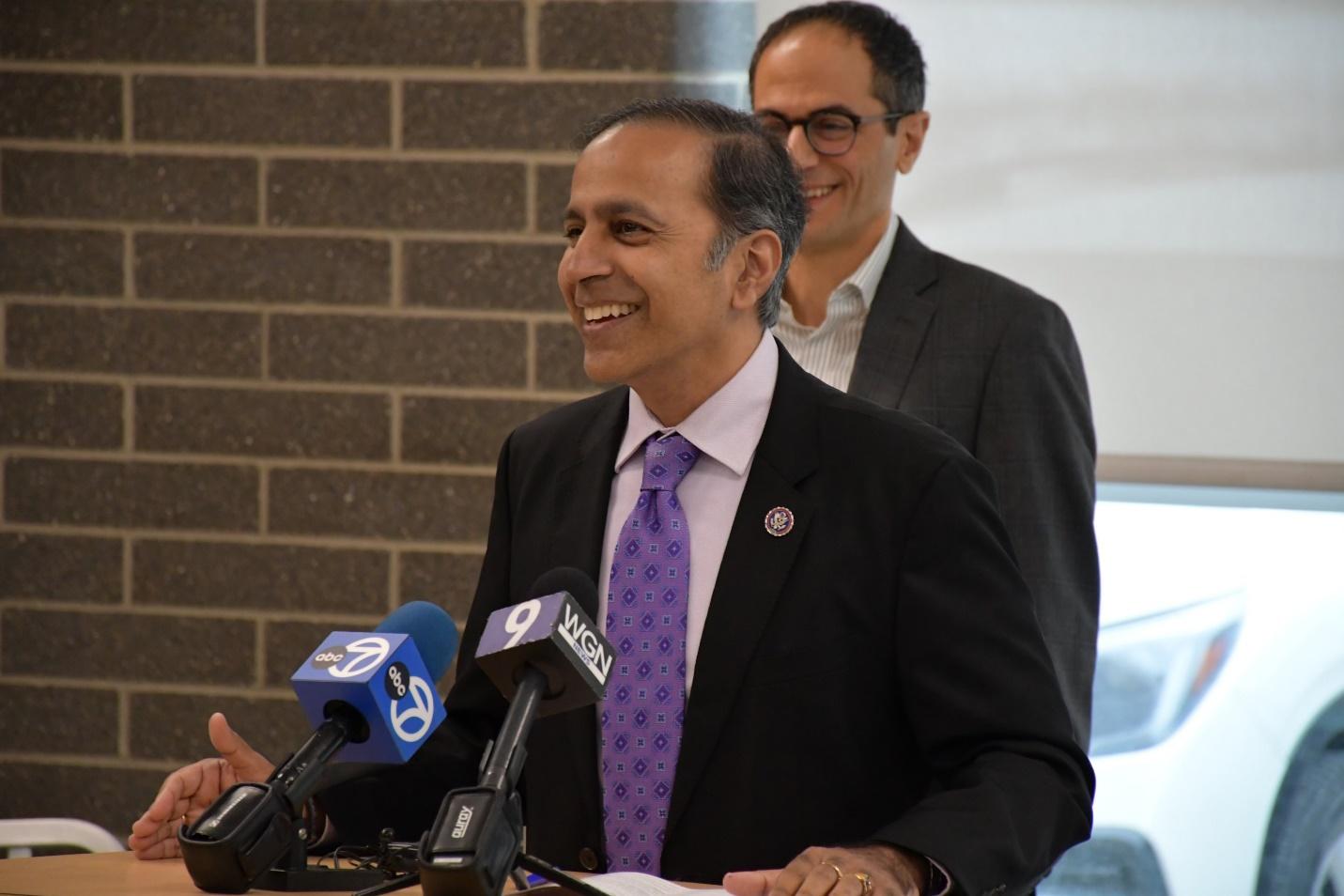
 Ro Khanna / File Photo
Indian American Congressman Ro Khanna said on Dec. 11 that a third federal judge’s decision to unseal Epstein-related records strengthens the push toward mandatory public release by Dec. 19 under the Epstein Files Transparency Act.
Khanna, who authored the law, said he welcomed the ruling but cautioned that he would monitor the Justice Department for any attempt to delay compliance.
Also Read: US judge clears Justice Department to release Epstein grand jury transcripts
“This is promising, but I will be watching closely for any attempts to delay or prevent the release of the files by the Department of Justice,” he said.
“My legislation requires that the files be released by Dec. 19. It also requires DOJ to declassify information to the fullest extent possible with redactions to protect survivors. Anything that is redacted has to be accompanied by a written justification published in the Federal Register and submitted to Congress.”
He called the measure a bipartisan effort signed by President Donald Trump and urged Attorney General Pam Bondi to “put the survivors above politics and the interests of the Epstein class. The public deserves full transparency, and the survivors deserve justice.”
The latest order came from Judge Richard Berman of the U.S. District Court for the Southern District of New York, who granted the Justice Department’s request to unseal grand jury materials, investigative records, and files from the 2019 federal probe into Jeffrey Epstein.
Berman, who had previously declined to release certain grand jury records, wrote that the transparency law directs the courts to favor disclosure.
His ruling follows two similar approvals issued earlier this month. On Dec. 9, U.S. District Judge Paul Engelmayer authorized the release of grand jury transcripts and evidence from the New York sex-trafficking case involving Ghislaine Maxwell, noting that he reversed an earlier stance after determining that the new law required broader disclosure.
On Dec. 5, U.S. District Judge Rodney Smith in Florida ruled that longstanding secrecy orders governing grand jury materials from a federal investigation into Epstein were superseded by the Act.
The Epstein Files Transparency Act, passed by a 427–1 vote in the House and unanimously in the Senate before being signed into law on Nov. 19, requires the Justice Department to publish all unclassified Epstein and Maxwell records in a publicly searchable database.
The law directs the DOJ to declassify materials “to the maximum extent possible,” allowing only narrow redactions to protect survivors or ongoing investigations. Each redaction must be accompanied by a written justification filed in the Federal Register and sent to Congress.
The disclosures expected by Dec. 19 include investigative files, FBI notes, witness interviews, photographs, and travel and flight records, though officials have cautioned that the significance of individual documents may vary.
Related

.jpg)





ADVERTISEMENT
ADVERTISEMENT
E Paper
Video

Comments
Start the conversation
Become a member of New India Abroad to start commenting.
Sign Up Now
Already have an account? Login