ADVERTISEMENT
ADVERTISEMENT


Rep. Thanedar backs ranked-choice voting
The Michigan lawmaker backs the alternative voting model ahead of the 2026 ballot initiative, citing benefits for voter choice, campaign tone, and representative outcomes.
-
1759163132.png) Anushka Pathak
Anushka Pathak - Fri, 12, Dec 2025
- 14:26 EST
- 102
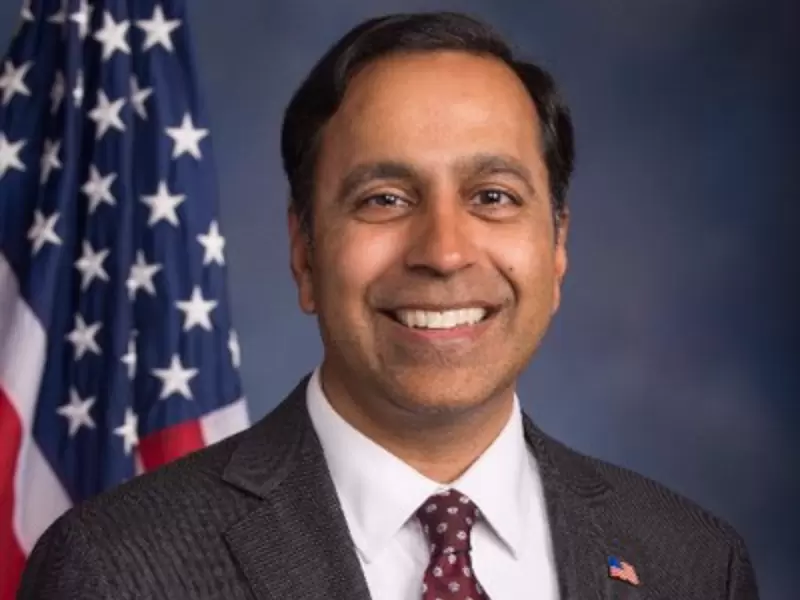
.jpg) Representative Shri Thanedar / File Photo
Representative Shri Thanedar / File Photo
Representative Shri Thanedar from Michigan announced his support for ranked-choice voting on Dec. 12, saying the system gives voters greater flexibility and encourages candidates to engage more constructively with the electorate.
His comments come as Michigan considers adding a ranked-choice voting initiative to the Nov. 2026 ballot, a move that could significantly change how elections are conducted across the state.
Also Read: Rep. Thanedar files impeachment articles against Hegseth
“Voters deserve a system that gives them a real voice and allows them to choose who truly represents them,” he said, adding that ranked-choice voting “empowers voters to support the candidates they truly believe in,” Thanedar said.
Fully support ranked choice voting in Congress and MI. pic.twitter.com/zUNHz5tIOK
— Congressman Shri Thanedar (@RepShriThanedar) December 12, 2025
Several states and cities, including Maine, Alaska, and New York City, have already implemented the system. Evidence from those jurisdictions, Thanedar noted, shows improvements in campaign tone, greater voter satisfaction, and outcomes that more closely reflect majority support.
As Michigan weighs whether to adopt the approach statewide, Thanedar said the system offers a more responsive way for constituents to participate in elections. He pointed to examples across the country where ranked-choice voting has shifted campaigning toward coalition-building and reduced negative attacks.
If adopted in Michigan, the 2026 initiative would mark a major change in how ballots are cast and counted in statewide elections.
Meanwhile, at the federal level, U.S. Representatives Jamie Raskin and Don Beyer and U.S. Senator Peter Welch have reintroduced legislation—titled the Ranked Choice Voting Act—that would require ranked choice voting for all congressional primaries and general elections beginning in 2030.
What is Ranked Choice Voting?
Ranked-choice voting allows voters to rank candidates in order of preference—first, second, third, and so on. If no candidate wins a majority of first-choice votes, the last-place candidate is eliminated, and their votes are redistributed to voters’ next preferences.
The process continues until one candidate achieves a majority. The system is designed to ensure that the winner has broad support and to reduce strategic voting, runoffs, and incentives for negative campaigning.
Leave A Comment
Related











ADVERTISEMENT

ADVERTISEMENT
E Paper
Video

Comments
Start the conversation
Become a member of New India Abroad to start commenting.
Sign Up Now
Already have an account? Login