ADVERTISEMENT
ADVERTISEMENT



Hashmi calls out ‘disparities’ in Virginia’s school performance data
She said the Youngkin administration focused on culture wars instead of improving student outcomes.
-
 Malvika Choudhary
 - Fri, 12, Dec 2025
- 14:21 EST
- 107
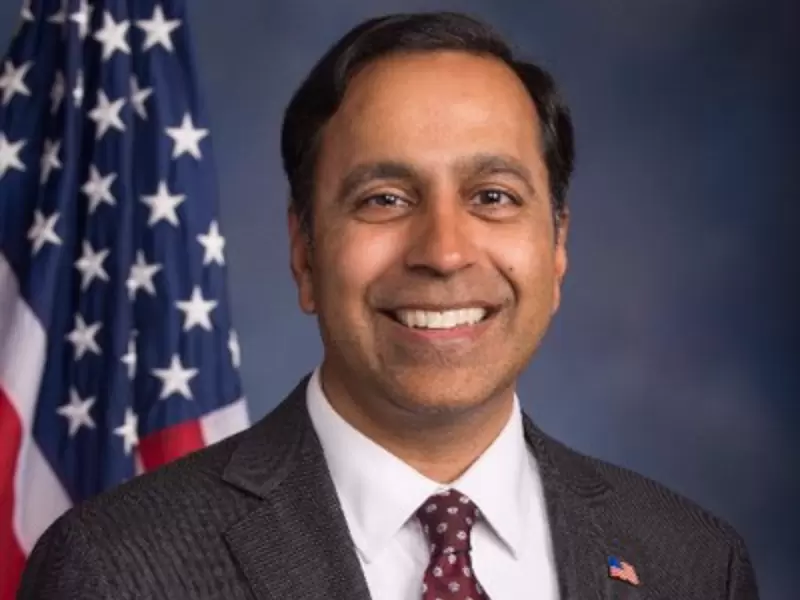
 Ghazala Hashmi / Image-X/@SenatorHashmi
Virginia Lieutenant Governor-Elect Ghazala Hashmi said the newest statewide performance metrics reveal deep disparities in Virginia’s public schools and reflect four years of misplaced priorities under the current administration.
In a statement issued Dec. 11, Hashmi said the data released under Governor Glenn Youngkin’s new School Performance and Support Framework show “significant disparities” and indicate that “an unacceptable number of Virginia’s schools are struggling, and many of our students are not receiving the high quality education that they deserve.”
Also Read: Ghazala Hashmi slams approval of Chesterfield gas plant
The framework, adopted this year, replaces the previous accreditation system and evaluates schools based on achievement, growth, graduation rates and chronic absenteeism.
Hashmi, who represents Virginia’s 15th Senatorial District and chairs the Senate Education and Health Committee, said the administration “chose to focus on culture wars rather than on the basics of reading, writing, and mathematics.”
Highlighting the turnover of three superintendents during Youngkin’s term, she said student outcomes improve when teachers are supported and when communities are engaged with their schools. “As it exits the stage, this administration leaves behind a legacy of division, distraction, and decline,” she said.
Looking ahead to the incoming Democratic administration and General Assembly, Hashmi said the priority will be on improving classroom conditions.
She cited plans to expand tutoring programs, provide more after-school and summer learning opportunities, modernize school buildings, and invest in student mental health. “Our children deserve solutions, not distractions,” she said in her social-media post sharing the statement.
The release of the first full set of ratings under the School Performance and Support Framework has reshaped statewide discussions on accountability and student outcomes.
Early reporting noted that many schools previously labeled fully accredited under the old system received lower ratings under the new framework, raising questions about whether prior measures understated long-standing academic challenges.
Roughly two-thirds of schools met or exceeded expectations under the new ratings, while others were categorized as needing targeted or intensive support.
The rollout of the framework has also revived earlier policy disputes. Lawmakers and school leaders had expressed concern that districts were not given enough time to transition to the new system, and debates earlier this year included proposals to delay implementation until the 2026–27 school year.
Leave A Comment
Related



 (1).jpg)







ADVERTISEMENT

ADVERTISEMENT
E Paper
Video

Comments
Start the conversation
Become a member of New India Abroad to start commenting.
Sign Up Now
Already have an account? Login