ADVERTISEMENT

ADVERTISEMENT



Goldwater CEO slams '100-year' visa wait after Indian student's death
Vijay Thirumalai called H1B a “1/3 success rate,” highlighting hurdles for foreign graduates in U.S.
-
Rwittika Chakraborty
- Mon, 23, Feb 2026
- 04:22 EST
- 36
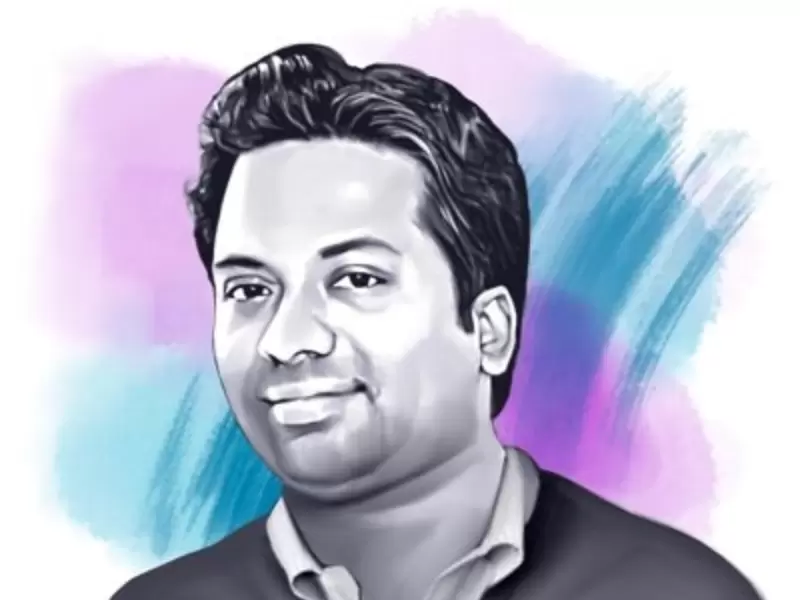 Indian-origin entrepreneur Vijay Thirumalai / X/@VijayT1609
Days after the death of 30-year-old Sasikanth Reddy Donthireddy, Indian-origin entrepreneur Vijay Thirumalai warned Indian parents “Don’t send your children to the U.S. unless you can afford the EB-5 route,” wrote, igniting a fierce debate over the emotional and financial toll of America’s immigration system.
Vijay Thirumalai, founder and CEO of business consulting firm Goldwater Global, has sparked an online debate with his post about the death of an Indian national in the United States, where he spoke about the concerning challenges in the U.S. immigration system.
ALSO READ: “Train your staff better,” Indian CEO to U.S. Ambassador after visa rejection
The Indian-origin entrepreneur took to X and wrote about Donthireddy, who reportedly suffered a cardiac arrest on Feb. 16 in the U.S. following years of struggling with visa uncertainties and long work hours.
Thirumalai recounted Reddy’s journey, noting that he moved to the U.S. in 2018 on a student visa and completed two master’s degrees.
However, Reddy failed to secure a work-based H-1B visa through the lottery system, a process Thirumalai described as having roughly a “1/3 ratio” of success, underscoring how difficult it has become for foreign graduates to transition to long-term employment.
Such a tragic story, came to US on F1
— Vijay Thirumalai (@VijayT1609) February 22, 2026
Did double majors just to be on a valid visa
Applied for H1B without any luck
Didn't see family for 8 years as he was afraid he would be out of status
Died of stress induced heart attack
If you followed me long enough, you would know, I… https://t.co/Lv7yJR5CSS
Thirumalai said Reddy did not see his family for eight years, fearing he would fall “out of status.” He urged Indian parents not to send their children to the U.S. unless they could afford the more secure EB-5 investor visa route, which grants permanent residency through substantial investment.
He argued that temporary visas such as the F-1 student visa and H-1B work visa expose young adults to prolonged uncertainty, separation from family and immense pressure, with green card timelines stretching “100 years away” for many applicants.
The post resonated widely on social media, prompting broader conversations about the strain the U.S. immigration system places on Indian families and students, and whether long-term residence and family reunification remain viable for middle-class migrants.
A fundraiser launched to repatriate Reddy’s body has surpassed its $50,307 target, aiming to support his parents with related expenses and help bring him home for final rites.
Discover more at New India Abroad.
Related




ADVERTISEMENT

ADVERTISEMENT
E Paper
Video

Comments
Start the conversation
Become a member of New India Abroad to start commenting.
Sign Up Now
Already have an account? Login