ADVERTISEMENT
ADVERTISEMENT



Under Pressure: The Impact of ACL Injuries
Doctors classify ACL injuries into different grades, generally Grades 1-3, based on the severity of damage to the ligament.
-
 Naisha Jha
 - Sat, 23, May 2026
- 15:45 EDT
- 18
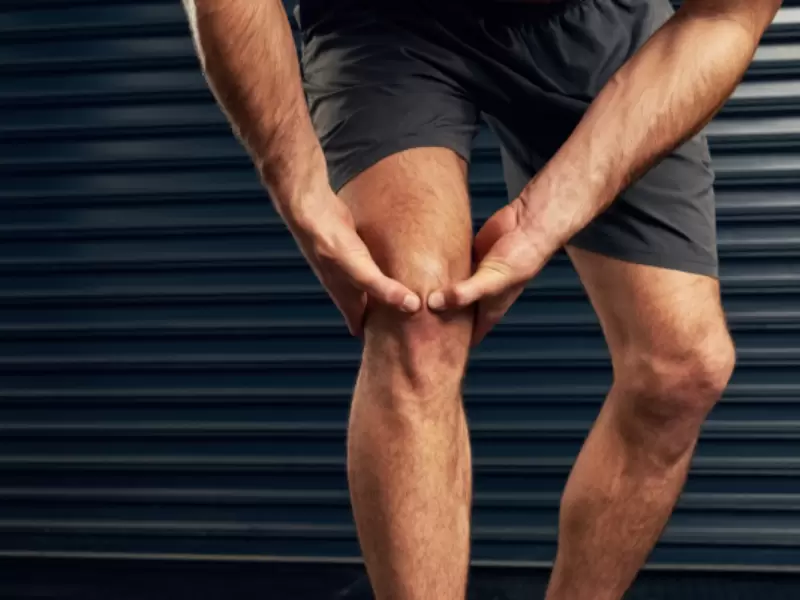 Representative Image / Canva
One awkward landing, one sharp pivot, one wrong step is enough for a teen athlete’s life to change. ACL tears have become increasingly common in high school sports, especially in activities that involve cutting, jumping, or sudden direction changes like soccer, basketball, football, volleyball, and gymnastics.
While adults experience ACL injuries too, teenagers face unique challenges because their bodies are still developing physically. Understanding how these injuries happen, how they are treated, and how recovery works can help teens protect both their health and their athletic future.
Also Read: Invisible injuries: Concussions in student athletes
The ACL, or anterior cruciate ligament, is one of the major ligaments inside the knee joint. Ligaments are strong bands of connective tissue that stabilize bones and help joints move properly.
The ACL connects the femur (thigh bone) to the tibia (shin bone) and prevents the knee from sliding or twisting excessively. The knee works like a carefully balanced mechanical system: if too much force is placed on the joint during a movement, the ligament can end up partially or completely tearing. Most ACL tears in teens are non-contact injuries, meaning another player did not directly hit the knee. Instead, the injury happens when an athlete suddenly changes direction, lands incorrectly from a jump, or twists the knee while the foot stays planted.
Many people report hearing or feeling a “pop” at the moment of injury, followed by swelling, instability, and pain.
Doctors classify ACL injuries into different grades, generally Grades 1-3, based on the severity of damage to the ligament. A Grade 1 injury means the ACL has been stretched slightly but is still intact. The knee usually remains stable, and symptoms are mild. Athletes may feel soreness or stiffness but can often still walk. A Grade 2 injury is a partial tear of the ligament.
The ACL becomes looser, causing some instability in the knee. Swelling and pain are more noticeable, and movements like cutting or pivoting become difficult. A Grade 3 injury is a complete rupture of the ACL. The ligament is torn into two pieces and can no longer stabilize the knee to any degree. This is the most serious type of ACL injury. Many athletes cannot continue playing after the injury occurs because the knee feels unstable or “gives out.”
Doctors diagnose ACL tears using physical exams such as the Lachman test and imaging methods like MRI scans, which provide detailed pictures of soft tissues inside the knee and give insight on the grade of injury.
Treatment depends on the severity of the tear, the athlete’s age, activity level, and future sports goals. For mild injuries, treatment may include RICE (rest, ice, compression, elevation), bracing, and physical therapy.
Physical therapy focuses on rebuilding strength in the quadriceps, hamstrings, and surrounding muscles to stabilize the knee joint. For complete ACL tears, especially in teen athletes who want to return to sports, doctors often recommend ACL reconstruction surgery. During this procedure, the damaged ligament is replaced with a graft, which may come from the patient’s own tendons or donor tissue.
Recovery from ACL surgery is long and demanding, usually lasting between 6–12 months. Rehab includes regaining range of motion, rebuilding muscle strength, improving balance and coordination, and gradually returning to sport-specific movements. One of the biggest challenges for teens is the mental side of recovery. Athletes may feel isolated, frustrated, or anxious about returning to competition.
Some also fear reinjury, which can affect confidence even after the knee physically heals. Prevention programs have become increasingly important in schools and sports organizations.
Exercises that improve landing technique, balance, flexibility, and leg strength can significantly reduce ACL injury risk. Additionally, ensuring teen athlete mental health remains stable after such an injury is crucial for recovery and confidence.
Although ACL tears cannot always be avoided, many injuries can be prevented through proper training and preparation. One of the most important prevention methods is completing dynamic warmups before practices and games. Stretching, jogging, balance exercises, and movement drills help prepare the muscles and joints for sudden movements during sports.
Strengthening the quadriceps, hamstrings, glutes, and core muscles can also improve knee stability and reduce stress on the ACL. Coaches and sports medicine specialists often teach athletes safer landing and cutting techniques, since poor form when jumping or pivoting places extra force on the knee joint. Wearing proper footwear, avoiding overtraining, and allowing the body enough time to recover after intense activity are also important in lowering injury risk.
For teen athletes especially, prevention techniques can make a major difference in protecting long-term joint health.
For many teen athletes, sports are more than just a hobby; they make up a part of their identity and shape their future goals as individuals. An ACL tear can impact their confidence and physical well-being, making recovery physically and emotionally taxing.
However, advances in sports medicine have made treatment and rehabilitation more effective than ever before, allowing many young athletes to safely return to competition.
Recovery takes patience, discipline, and support, but it also reminds athletes how important overall health and injury prevention truly are. As awareness of ACL injuries continues to grow, coaches, parents, athletic trainers, and athletes themselves all play an important role in keeping teen athletes healthy both on and off the field.
Discover more at New India Abroad.
Related










ADVERTISEMENT

ADVERTISEMENT
E Paper
Video

Comments
Start the conversation
Become a member of New India Abroad to start commenting.
Sign Up Now
Already have an account? Login