ADVERTISEMENT
ADVERTISEMENT



SpaceX to make historic IPO that could make Musk a trillionaire
The offering will raise a record $75 billion, easily outranking Saudi Aramco's $29.4 billion debut in 2019, until now the biggest ever.
-
 AFP
AFP - Thu, 11, Jun 2026
- 17:28 EDT
- 36
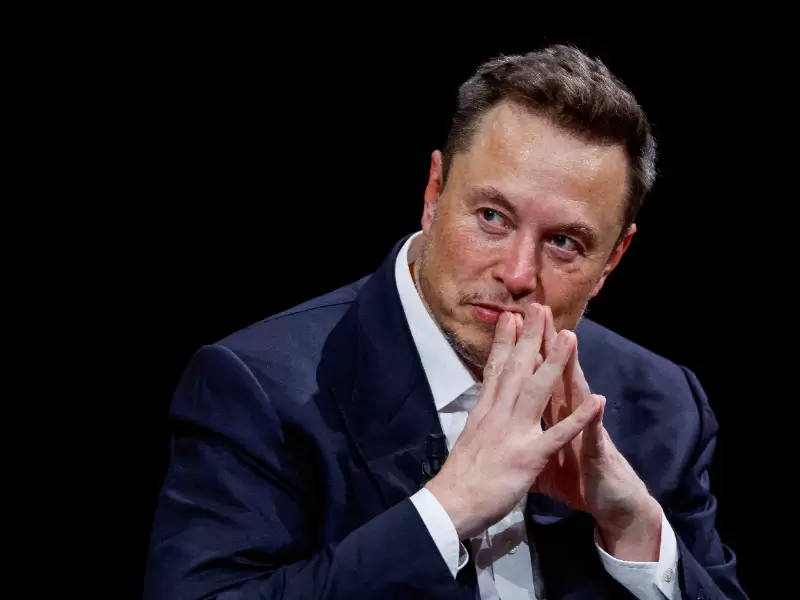 Elon Musk, Chief Executive Officer of SpaceX and Tesla / File Photo/REUTERS/Gonzalo Fuentes
Elon Musk's SpaceX on June 11 confirmed it will begin trading on the Nasdaq exchange June 12 in the biggest initial public offering in history, a blockbuster market debut that could propel the entrepreneur to trillionaire status.
In a filing with the US markets regulator, the company priced more than 555 million shares at $135 each, placing SpaceX in the top 10 of Wall Street's biggest companies with a valuation of just under $1.8 trillion.
It will be valued more than Musk's own Tesla car company, Facebook-owner Meta and Walmart.
Also Read: My SpaceX Strategy
The offering will raise a record $75 billion, easily outranking Saudi Aramco's $29.4 billion debut in 2019, until now the biggest ever.
Underwriters hold an option to buy nearly 83 million additional shares, which would push the total above $86 billion if exercised in full.
The space and rocket company, co-founded by Musk in 2002, will trade under the ticker symbol "SPCX," with a parallel listing on Nasdaq Texas. All eyes will be on how Wall Street absorbs the offering, which could send tremors across global markets.
SpaceX will be the first out of the gates among the tech and AI giants eyeing public markets, with OpenAI and Anthropic expected to follow -- both having recently filed with regulators for their own market debuts.
As is traditional for high-profile debuts, executives are expected to ring the opening bell on Friday to mark the start of the session -- in this case at New York's Times Square, home of the Nasdaq.
The IPO is Musk's biggest financial gamble yet, with his xAI company and the X social media platform (formerly Twitter) also included in the offering after the multi-billionaire folded them into the company earlier this year.
Goldman Sachs, Morgan Stanley and Bank of America led a syndicate of more than 20 banks on the deal.
The offering was more than four times oversubscribed by major banks and financial institutions, according to Bloomberg, with interest from everyday investors reported to be high.
More than 20 percent of the shares will be reserved for these retail investors, a far greater proportion than is typically allocated in IPOs, giving Musk's legions of fans a chance to buy a slice of the company.
Data centers in space
The success of the IPO rests squarely on investors' faith in Musk as a visionary entrepreneur. The tech multi-billionaire will serve as chief executive, chief technology officer and board chairman of the newly traded company.
The IPO is expected to mint thousands of new millionaires and many billionaires, with former and current employees -- and a long list of investors -- from the company's near quarter-century history looking to cash in.
The financials of the company are giving some on Wall Street pause, as the valuation largely depends on Musk delivering on promises worthy of science fiction, including putting data centers in space and humans on Mars using as yet unproven technology.
While the company is growing fast -- revenue hit $18.7 billion in 2025 -- it is also losing money, producing a net loss of $4.9 billion.
In an extraordinary prediction, SpaceX's filing claims it can pull in over $28.5 trillion in revenue from its various markets.
A successful IPO could make him the first trillionaire in history on June 12.
Musk's fortune on June 11 stood at $782 billion, according to the Forbes list of the world's richest people, nearing three times the wealth of number two, Google co-founder Larry Page.
"A trillion dollars in the hands of one man is incompatible not only with an affordable economy, but also with a healthy democracy," said Nabil Ahmed, senior director of economic justice at Oxfam America.
On the eve of the trading launch, activists displayed a giant inflatable Musk outside Nasdaq's offices to protest the ability to create fake sexualized images using xAI's Grok chatbot.
Related









ADVERTISEMENT

ADVERTISEMENT
E Paper
Video

Comments
Start the conversation
Become a member of New India Abroad to start commenting.
Sign Up Now
Already have an account? Login