ADVERTISEMENT

ADVERTISEMENT



New H-1B approvals drop 37%, Indian share at 71%: USCIS
The USCIS data shows visa decline while Indians remain majority beneficiaries.
-
1759163132.png) Anushka Pathak
Anushka Pathak - Wed, 25, Feb 2026
- 17:04 EST
- 35
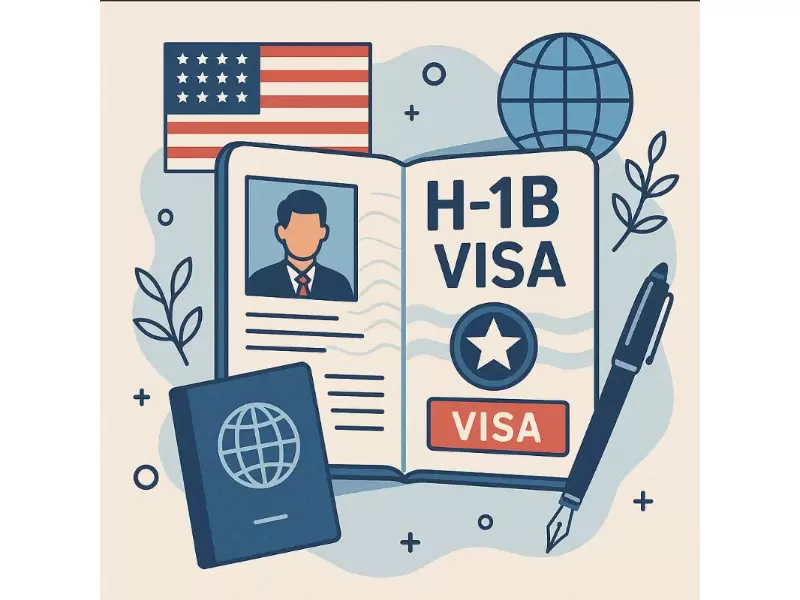 Representative image / Generated using AI
The U.S. Citizenship and Immigration Services (USCIS) released H-1B statistics for FY2026, showing a marked decline in new visas issued, with Indian nationals continuing to account for the majority of approvals.
Indian American venture capitalist Deedy Das, who analyzed the USCIS figures in a detailed thread, described the reduction as "Overall, the US cut down on H-1B is very real (but not massive).”
ALSO READ: Judge rebukes DOJ over Indian immigrant’s illegal transfer
HUGE Immigration News! The H-1B stats for all applicants in FY2026 [Oct 2024 - 2025] are in. Full breakdown thread.
— Deedy (@deedydas) February 25, 2026
tldr: Overall, the US cut down on H-1B is very real (but not massive).
For existing applicants, including renewals:
— Approval rates: 21yr low of 71.9%!
Previous… pic.twitter.com/IOT01NMs3y
Indian nationals made up 71 percent of all H-1B beneficiaries in FY2026, down slightly from a 2020 peak of 74.9 percent but well above the 43 percent recorded in 2004.
“It is true that Indians dominate the H-1B program,” Das wrote. “The rise of Indians seems driven almost by the rise of Computer-related occupations, which grew from 43% in 2005 to a peak of 69.5% in 2020 and now down to 63.9% today," he said.
The 35 to 44 age group has nearly doubled since the mid-2000s. “This is likely because of the spike in IT services workers from WITCH companies who move mid-career directly from India,” Das explained.
On the whole, new unique applicants fell 30 percent to 339,000 from 486,000 the previous year. New approvals dropped 37 percent to about 120,000, returning to 2020 levels.
Overall approval rates, including renewals, declined to 71.9 percent, a 21-year low. Total approvals stood at roughly 328,000, the lowest in a decade, despite 456,000 total applicants, the second-highest on record.
Median compensation increased from US $53,000 to US $120,000 over 21 years, maintaining a steady 4 percent annual growth rate. “In ~21yrs the median comp has grown from $53k to $120k, a 4% YoY growth rate.”
Das highlighted two main takeaways from the 2004-2025 dataset: H-1B growth has occurred primarily through extensions of existing visas rather than new issuances (which remain capped), and consistent wage increases across all salary levels challenge claims that the program relies on cheap labor.
The full report is available at the USCIS website.
Discover more at New India Abroad.
Related
.jpg)



ADVERTISEMENT

ADVERTISEMENT
E Paper
Video

Comments
Start the conversation
Become a member of New India Abroad to start commenting.
Sign Up Now
Already have an account? Login