ADVERTISEMENT
ADVERTISEMENT



MIT names Anantha Chandrakasan as Committed to Caring honoree
Chandrakasan joins 17 other MIT faculty members recognized in the 2025-27 Committed to Caring cohort for exceptional graduate mentorship.
-
 Bhavana P
 - Mon, 29, Jun 2026
- 17:41 EDT
- 44
 Anantha Chandrakasan / MIT
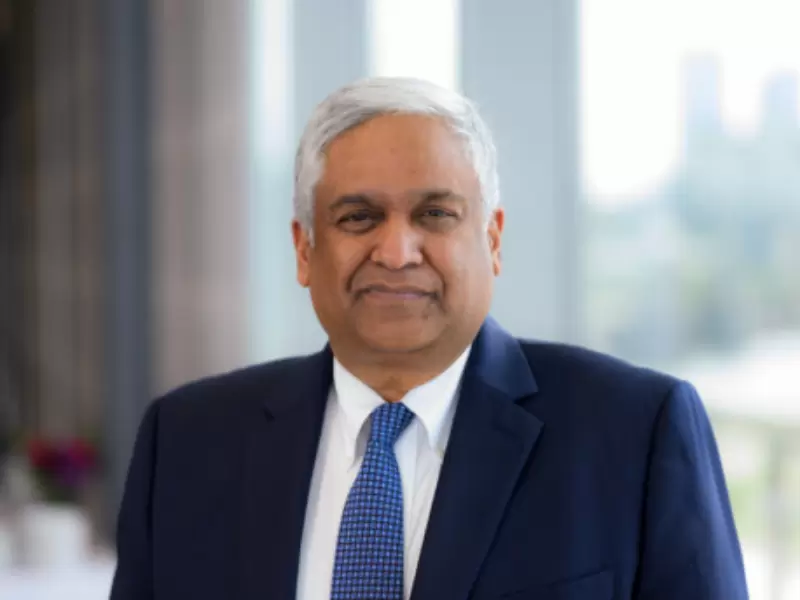
Massachusetts Institute of Technology has recognized its provost Anantha P. Chandrakasan as one of 18 recipients of the institute's 2025-27 Committed to Caring (C2C) award, which honors faculty members for mentorship of graduate students.
The student-driven Committed to Caring program celebrates faculty members who foster supportive academic environments and make meaningful contributions to graduate student well-being alongside research excellence.
Also read: Bhanu Sadasivan appointed Santa Clara County judge
Chandrakasan, who became MIT's provost in 2025, is a professor in the Department of Electrical Engineering and Computer Science and a leading researcher in low-power electronics, integrated circuits and energy-efficient system design. His work has advanced technologies used in mobile devices, sensing systems and machine learning platforms.
According to MIT, Chandrakasan was selected for his mentorship style that combines rigorous academic guidance with personal support, helping students navigate the pressures of graduate research while encouraging long-term growth.
“His guidance works to ground students, balancing ambition with steadiness, and precision with perspective. Across his lab and the broader MIT community, he has become known for a simple but clear pattern: When pressure rises, he is there to help,” the University said in a statement.
Within his research group, Chandrakasan promotes a collaborative mentoring model by pairing newer students with experienced researchers, creating opportunities for technical learning while reducing the isolation often associated with early-stage doctoral research.
"My technical advising is direct, because I believe clarity is a form of care," Chandrakasan said, describing an approach centered on honest feedback, empathy and adapting mentorship to each student's strengths rather than following a single model of success.
He also encourages students to develop independent thinking by guiding them toward their own solutions instead of providing immediate answers, saying the approach helps build confidence and self-reliance.
Discover more at New India Abroad.
Leave A Comment
Related






12.png)


ADVERTISEMENT

ADVERTISEMENT
E Paper
Video

Comments
Start the conversation
Become a member of New India Abroad to start commenting.
Sign Up Now
Already have an account? Login