ADVERTISEMENT
ADVERTISEMENT



MIT adds Anantha Chandrakasan to ‘Committed to Caring’ cohort
The program is based on nominations submitted by graduate students across MIT.
-
 Malvika Choudhary
 - Sat, 10, Jan 2026
- 14:24 EST
- 183
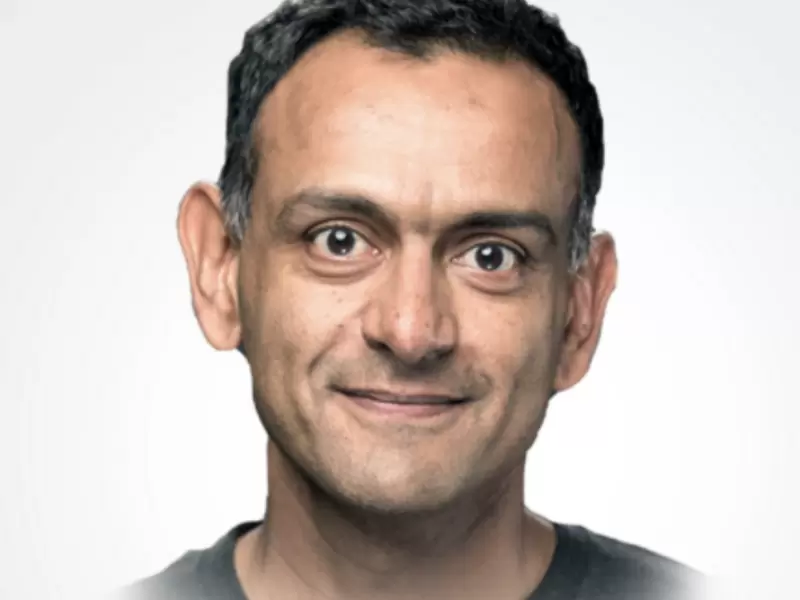
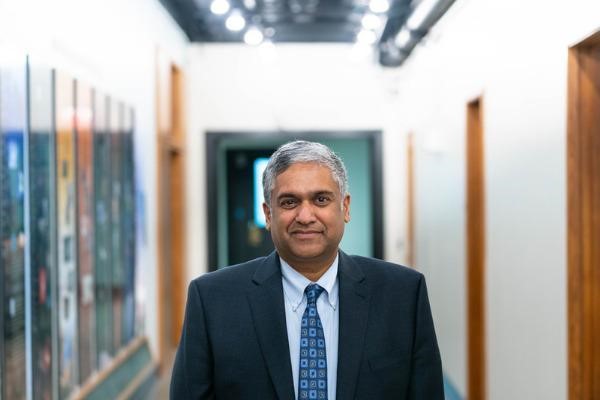 Anantha Chandrakasan named MIT’s inaugural chief innovation and strategy officer / Image: MIT
Indian American electrical engineer Anantha Chandrakasan has been named to the Massachusetts Institute of Technology’s “Committed to Caring” (C2C) faculty cohort for 2025–27.
The Committed to Caring initiative highlights professors whose impact extends beyond teaching and research to include long-term guidance, advocacy, and support for students’ academic and personal development.
Also Read: Penn State Smeal adds Amit Bansal to supply chain board
Chandrakasan, who serves as MIT’s provost and the Vannevar Bush professor of electrical engineering and computer science, is among 18 MIT professors selected in the latest cycle of the student-driven program, which has recognized nearly 100 faculty members since its launch in 2014.
A selection committee made up of graduate students and staff reviews letters describing how faculty members have made a lasting difference in students’ lives and in the broader graduate community.
The Office of Graduate Education said a series of articles will be published in the coming months profiling the honorees, with a reception planned in April to recognize their contributions.
Chandrakasan currently serves as MIT’s chief academic and budget officer, reporting to the institute’s president. He assumed the role of provost after serving as dean of the School of Engineering from 2017 to 2025 and as MIT’s inaugural chief innovation and strategy officer from 2024 to 2025.
In these roles, he has overseen several cross-institute initiatives, including the MIT Health and Life Sciences Collaborative, the MIT Generative AI Impact Consortium, the MIT Human Insight Collaborative, and the MIT Initiative for New Manufacturing.
A long-time member of the MIT faculty, Chandrakasan joined the department of electrical engineering and computer science in 1994 and later served as head of the department and as director of the Microsystems Technology Laboratories.
His research focuses on energy-efficient electronic circuits, and he was elected to the National Academy of Engineering in 2015 for his contributions to low-power circuit and system design methods.
Discover More At New India Abroad
Leave A Comment
Related









ADVERTISEMENT

ADVERTISEMENT
E Paper
Video

Comments
Start the conversation
Become a member of New India Abroad to start commenting.
Sign Up Now
Already have an account? Login