ADVERTISEMENT
ADVERTISEMENT



India–Africa Partnership Enters a New Strategic Phase
Indian Ambassador to the African Union Anil Kumar Rai outlines how the upcoming 4th India–Africa Forum Summit aims to translate shared development goals into measurable outcomes across technology, trade, health and capacity building.
-
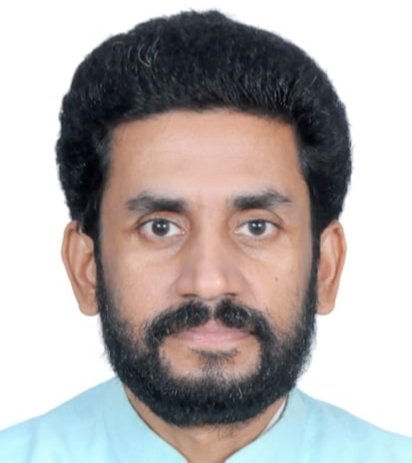 Amit Deshmukh
 - Mon, 11, May 2026
- 17:17 EDT
- 25
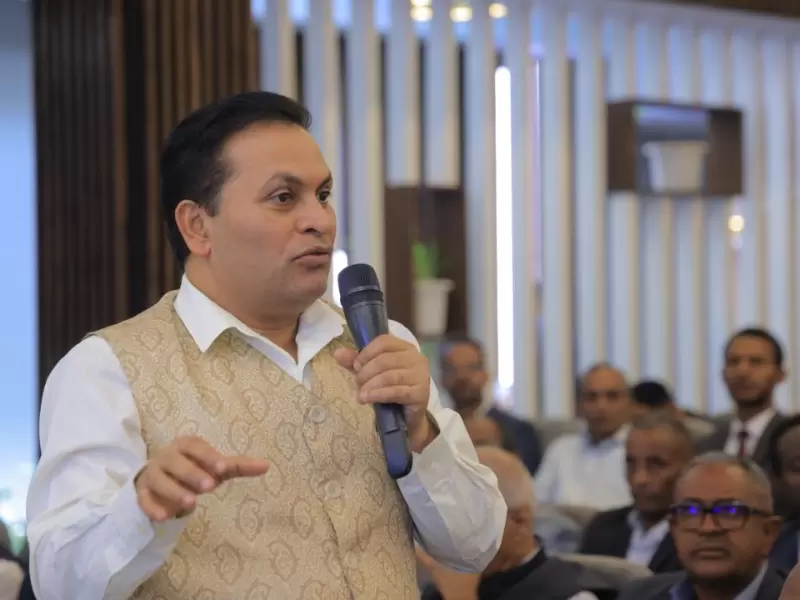 Indian Ambassador to the African Union Anil Kumar Rai / Special Arrangement
As geopolitical shifts reshape global alliances, the partnership between India and Africa is entering a transformative new chapter.
Driven by shared developmental goals, South–South solidarity and a mutual drive for self-reliance, the relationship has expanded far beyond traditional diplomacy into technology, trade, health cooperation and capacity building.
India’s engagement with Africa today reflects a broader vision of partnership rooted in equality, mutual respect and shared prosperity. As preparations intensify for the upcoming 4th India–Africa Forum Summit, both sides are looking to translate long-standing goodwill into concrete outcomes that benefit people across the two regions.
In this conversation, India’s Ambassador to the African Union, Anil Kumar Rai, reflects on the evolving trajectory of India–Africa relations, Ethiopia’s role as Africa’s diplomatic hub, and how the next phase of cooperation will focus on innovation, resilience and inclusive development.
How is India redesigning its approach for the 4th India-Africa Forum Summit to ensure faster execution of commitments?
According to Ambassador Rai, India will host the 4th India–Africa Forum Summit from May 28–31, 2026 in New Delhi in collaboration with the African Union Commission.
The summit will bring together leaders from across the African continent, regional economic communities, specialized organizations, and representatives from the Indian and African diaspora to chart a practical roadmap for deeper cooperation across multiple sectors.
In the lead-up to the summit, several preparatory initiatives are planned, including think-tank dialogues, an India–Africa Business Dialogue, and a series of cultural engagements celebrating the longstanding ties between the two regions. The Indian capital will also feature murals representing both Indian and African heritage, symbolizing the spirit of partnership.
The theme of the summit — “IA SPIRIT: India-Africa Strategic Partnership for Innovation, Resilience and Inclusive Transformation” — reflects the broad and ambitious scope of the partnership.
India’s approach is closely aligned with Africa’s long-term development blueprint, Agenda 2063: The Africa We Want, while also resonating with India’s own national vision of Viksit Bharat 2047. Since both regions share similar development challenges and opportunities, India seeks to offer scalable solutions that African nations can adapt according to their local needs and priorities.
What mechanisms will ensure measurable and transparent outcomes on the ground?
Ambassador Rai explains that discussions are underway to establish a Joint Monitoring and Implementation Mechanism with clearly defined and measurable targets.
Through this system, both sides will meet periodically to review progress on commitments made during the summit. The aim is to ensure that decisions taken at the leadership level translate into tangible results on the ground.
Such structured monitoring mechanisms are expected to enhance transparency, strengthen accountability, and ensure that cooperation initiatives deliver real developmental impact.
How does India differentiate its partnership model from other global actors on the continent?
India’s engagement with Africa is rooted in a unique historical and political context. The partnership is built on shared experiences of colonialism, long-standing people-to-people ties and a tradition of South–South cooperation.
Unlike transactional models of engagement, India’s approach is demand-driven and results-oriented, focusing on capacity building, affordable technology, healthcare, education, agriculture and institutional development.
Ambassador Rai notes that emerging sectors such as artificial intelligence and creative industries are also opening new opportunities for collaboration. Initiatives such as the AI Impact Summit and the WAVES Summit have created platforms for dialogue and partnership between Indian innovators and African stakeholders.
The upcoming summit will also align cooperation more closely with the implementation priorities of Agenda 2063’s Second Ten-Year Implementation Plan, ensuring that initiatives reflect Africa’s own development goals.
“This is what makes the India–Africa partnership distinct,” Rai explains. “It is built around Africa’s priorities, interests and long-term vision.”
How can the summit translate India’s digital infrastructure experience into scalable solutions for Africa?
India’s success in implementing Digital Public Infrastructure (DPI) at population scale has drawn global attention.
Through integrated platforms covering digital identity, banking, social services, healthcare, education and transportation, India has significantly improved efficiency and transparency in governance.
Ambassador Rai notes that these models are openly available for African countries to examine and adapt.
A key feature of India’s digital architecture is that it is open-source, allowing nations to maintain full control over their data while building customized solutions suited to their national contexts.
India stands ready to support African governments in deploying these systems at scale, enabling better delivery of public services and accelerating digital transformation across the continent.
What are the foundational principles driving India–Africa relations?
The guiding philosophy of India–Africa engagement was articulated by Prime Minister Narendra Modi through the Kampala Principles during his 2018 address to the Parliament of Uganda.
These principles emphasize solidarity, equality, mutual respect, and partnership guided by African priorities rather than external prescriptions.
Africa remains a top priority in India’s foreign policy, and cooperation is built around capacity building, local ownership and human resource development.
Key pillars of collaboration include education, skill development, healthcare, agriculture and institution building.
The partnership also seeks to promote mutual prosperity through trade, investment, industrialization and technology transfer aligned with the objectives of the African Continental Free Trade Area.
India also supports peace and security cooperation across the continent, including collaboration in UN peacekeeping, counter-terrorism and maritime security.
Another major pillar is reform of global governance. India has consistently advocated for greater African representation in international institutions, including supporting the permanent inclusion of the African Union in the G20 during India’s presidency in 2023.
The Kampala Principles also highlight climate justice, sustainable development, strategic autonomy and strong people-to-people connections as essential elements of the partnership.
What was the key message at the launch of the IAFS-IV website and logo?
On April 23, India’s External Affairs Minister Subrahmanyam Jaishankar launched the official logo, theme and website of the 4th India–Africa Forum Summit in New Delhi.
The event was attended by ambassadors of all African nations accredited to India.
Describing the summit as a “season of renewal,” Jaishankar emphasized that the gathering would go beyond diplomacy and serve as a platform for shaping more ambitious and future-oriented cooperation.
In an increasingly volatile global environment, he noted that the steady expansion of India–Africa ties reflects stability, reliability and mutual trust.
He also highlighted India’s growing diplomatic presence across Africa, including the establishment of 17 new Indian missions on the continent in recent years.
The newly unveiled summit logo features the lion, an animal native to both India and Africa, symbolizing courage, shared pride and common identity.
What are the key areas of cooperation identified for the summit?
The upcoming summit will focus on several areas where India’s development experience aligns with Africa’s priorities under Agenda 2063.
Digital Infrastructure and Technology:
India’s expertise in digital identity systems, interoperable payments and e-governance can provide scalable solutions for African countries. Cooperation in AI, fintech, cybersecurity and digital governance can help transform public services while creating new employment opportunities for young people.
Trade, Connectivity and Industrialization:
India can support the implementation of the African Continental Free Trade Area through customs digitization, improved logistics systems and the development of regional value chains, particularly in pharmaceuticals, agro-processing and renewable energy.
Agriculture and Green Development:
Partnerships in climate-resilient farming, nano-fertilizers, millets and organic agriculture can strengthen food security. India-led initiatives such as the International Solar Alliance and the Global Biofuels Alliance also offer pathways for sustainable growth.
Health, Education and Skills:
Collaboration with Africa’s public health institutions on vaccines, telemedicine and digital health can strengthen healthcare systems. Educational partnerships, including initiatives like IIT Zanzibar, can help build long-term human capital.
Space and Science:
Cooperation between India’s space agency and the African space community can advance satellite applications, weather forecasting, disaster management and geographic information systems.
Culture, Tourism and Heritage:
Cultural exchanges, heritage conservation and partnerships in film and digital creative industries can deepen people-to-people connections while opening new economic opportunities.
As Ambassador Rai emphasizes, the next phase of India–Africa cooperation will move beyond declarations toward implementation, innovation and inclusive growth.
With the 4th India–Africa Forum Summit on the horizon, both India and the African Union are positioning their partnership as a key pillar in shaping a more balanced and cooperative global order.
Discover more at New India Abroad.
Related










ADVERTISEMENT

ADVERTISEMENT
E Paper
Video

Comments
Start the conversation
Become a member of New India Abroad to start commenting.
Sign Up Now
Already have an account? Login