ADVERTISEMENT

ADVERTISEMENT



Indian Diplomacy 2025: Strategic Assertion in a Polarised World
Indian diplomacy in 2025 demonstrated that strategic autonomy is not hesitation—it is strength.
-
 Amit Deshmukh
 - Wed, 31, Dec 2025
- 00:00 EST
- 2
 PM Narendra Modi / pmindia.gov
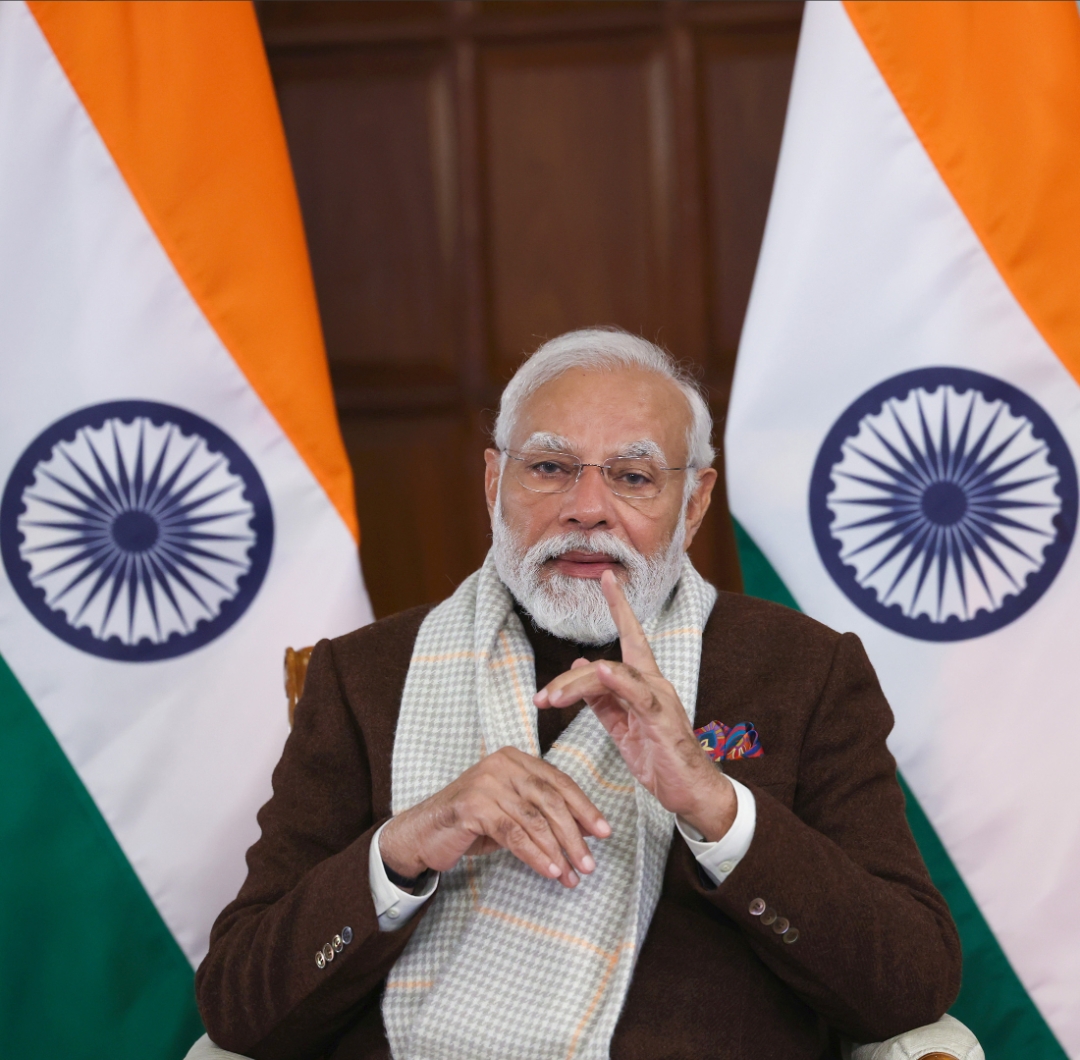
Indian diplomacy in 2025 unfolded against a backdrop of intensifying great-power rivalry, prolonged regional conflicts, and a visible erosion of the post–Cold War global order. From January to December, New Delhi’s foreign policy reflected not caution, but calibrated confidence—anchored in strategic autonomy, driven by economic and technological ambition, and reinforced by Prime Minister Narendra Modi’s active personal diplomacy. The year demonstrated how India is no longer reacting to global shifts, but shaping outcomes in its areas of interest.
China: Competition Without Provocation
India–China relations in 2025 remained defined by structural rivalry, especially along the Line of Actual Control and in the Indo-Pacific. However, New Delhi avoided escalation while firmly protecting sovereignty. Diplomatic and military talks continued, but India simultaneously strengthened border infrastructure and deepened partnerships through the Quad and Indo-Pacific frameworks.
India’s message to Beijing was consistent: peace on the border is non-negotiable, but competition will be managed without ideological confrontation. This approach signaled maturity—India refused to be drawn into zero-sum binaries while steadily reducing economic and strategic vulnerabilities linked to China.
United States: Convergence Without Alliance
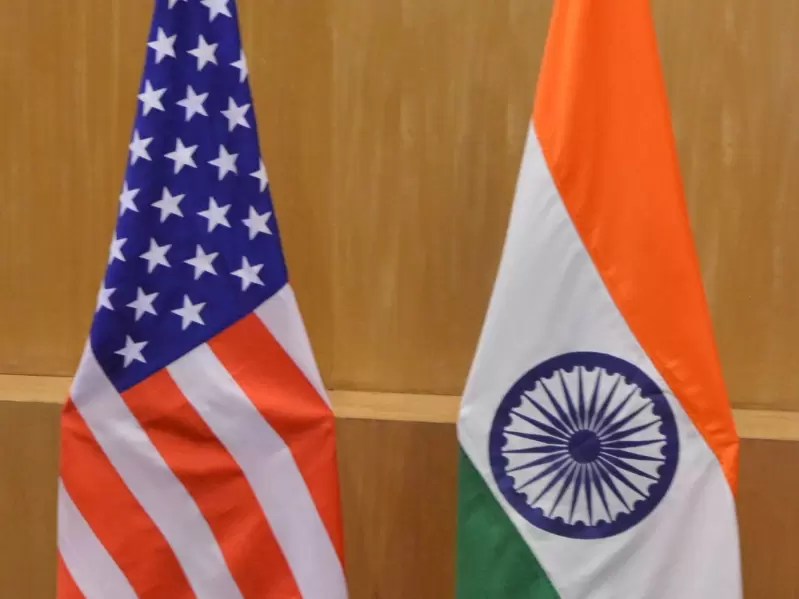
Relations with the United States reached new strategic depth in 2025, particularly in defence co-production, critical technologies, semiconductors, space, and clean energy. Prime Minister Modi’s engagements with US leadership reinforced India’s role as a key Indo-Pacific partner.
Yet India resisted any formal alliance structure. On issues like global trade rules, sanctions, and conflicts involving third countries, New Delhi retained independent positions. This balance—close convergence without surrendering autonomy—illustrated India’s growing leverage. Washington increasingly viewed India not as a junior partner, but as a pillar of regional stability.
Russia: Managing Legacy Ties in a Changed World
India’s engagement with Russia in 2025 was pragmatic and interest-driven. Despite Western pressure, New Delhi maintained defence, energy, and strategic dialogue with Moscow. This was not ideological alignment but strategic necessity—rooted in legacy defence platforms, energy security, and geopolitical realism.
India’s diplomacy demonstrated that multipolarity requires maintaining channels with all major powers. At the same time, New Delhi quietly diversified defence procurement and reduced overdependence, signalling a long-term recalibration rather than abrupt rupture.
Africa: From Outreach to Partnership
Africa emerged as a major focus of Indian diplomacy in 2025. Prime Minister Modi’s outreach to African leaders and India’s expanding diplomatic footprint underscored a shift from rhetoric to results. Cooperation in digital public infrastructure, health, education, defence training, and capacity-building gained momentum.
India’s appeal in Africa lay in its model—development without debt traps, partnership without political conditionalities. Whether in Ethiopia, Kenya, or West Africa, India positioned itself as a trusted, long-term partner, offering technology, skills, and institutional expertise rather than extractive engagement.
West Asia: Strategic Balance and Connectivity
India’s West Asia policy in 2025 showcased diplomatic dexterity. Relations with the Gulf states deepened through energy cooperation, investments, food security, and diaspora welfare. At the same time, India maintained dialogue with Iran, particularly on connectivity projects vital for access to Central Asia and Eurasia.
Despite regional turbulence, India avoided taking sides in ideological or sectarian divides. Prime Minister Modi’s engagements with leaders across the Gulf reinforced India’s image as a stabilising economic and strategic partner—one focused on trade corridors, energy transition, and regional connectivity.
Prime Minister Modi’s Personal Diplomacy
A defining feature of 2025 was Prime Minister Modi’s sustained diplomatic engagement. His visits and high-level interactions across continents reinforced India’s visibility and credibility. Modi’s diplomacy blended symbolism with substance—whether advancing digital cooperation, defence ties, climate commitments, or Global South solidarity.
His leadership projected India as a nation confident of its civilisational identity yet fully invested in shaping the future global order.
The Road Ahead: Impact Beyond 2025
The geopolitical choices of 2025 have positioned India as a bridge power—engaging rival blocs without being subsumed by them. India’s ability to manage China, partner with the US, sustain ties with Russia, deepen engagement in Africa, and balance interests in West Asia reflects a foreign policy rooted in realism, not rhetoric.
Looking ahead, India’s influence will increasingly depend on its capacity to convert diplomatic capital into economic strength, technological leadership, and regional stability. If 2025 was about assertion, the coming years will be about consolidation.
Conclusion
Indian diplomacy in 2025 demonstrated that strategic autonomy is not hesitation—it is strength. In a fractured world, India offered a model of engagement that prioritises dialogue over division, partnerships over blocs, and national interest over ideological alignment. The true legacy of 2025 will be measured in how India continues to shape a multipolar order where its voice is not just heard—but respected.
The author is a former journalist, researcher, and expert in media law and digital diplomacy. An alumnus of IIMC Delhi, with over 15 years of media experience and 7 years of research in China on Indian lifestyle, yoga, and Ayurveda.
(The views and opinions expressed in this article are those of the author and do not necessarily reflect the official policy or position of New India Abroad.)
Related




ADVERTISEMENT

ADVERTISEMENT
E Paper
Video

Comments
Start the conversation
Become a member of New India Abroad to start commenting.
Sign Up Now
Already have an account? Login