ADVERTISEMENT
ADVERTISEMENT



The Erosion of Sacred Pillars: Zakat, Qurbani and Hajj — From Spiritual Obligations to Instruments of Exploitation
The deeper malaise lies in systemic failures, elite attitudes and institutional opacity that have allowed corruption to flourish under the guise of faith.
-
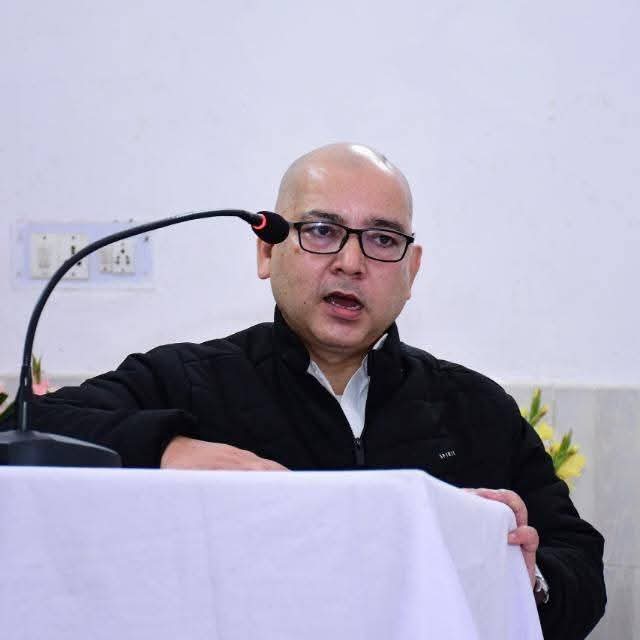 Shariq Adeeb Ansari
 - Thu, 21, May 2026
- 05:08 EDT
- 2666
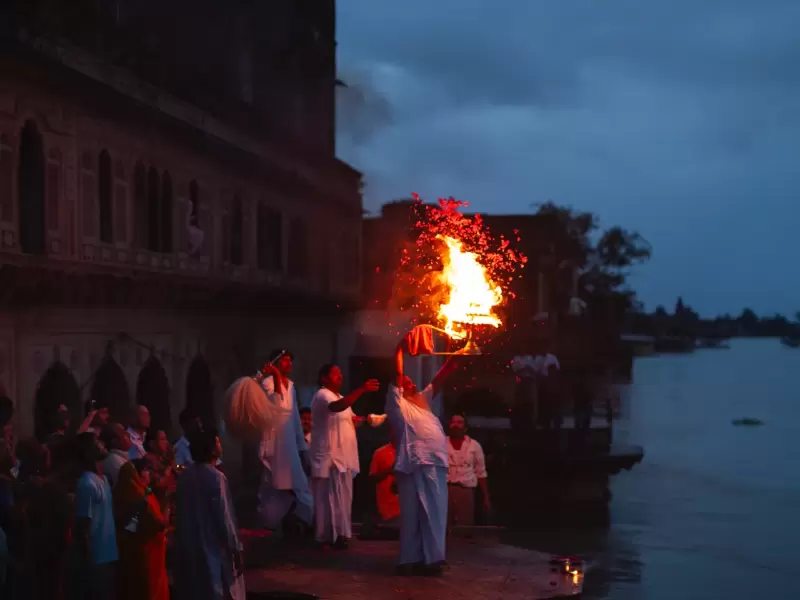
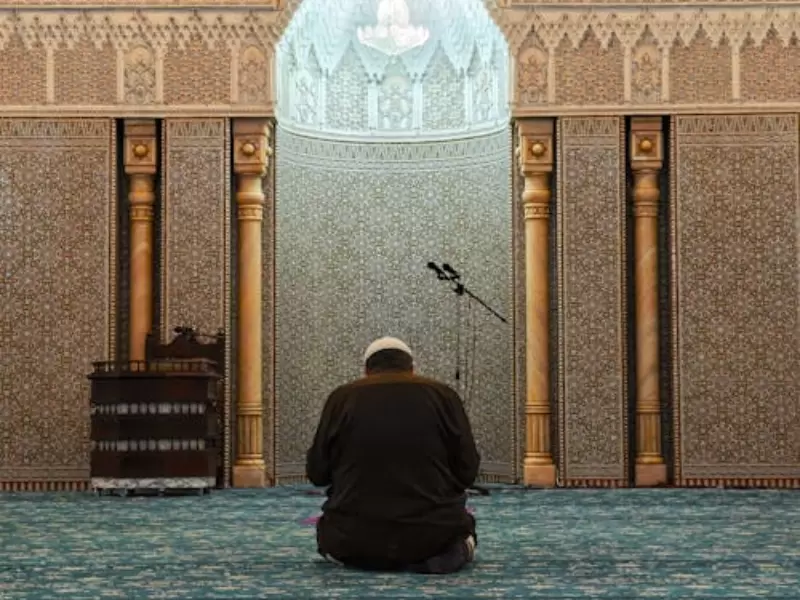 Representative image / Pexels
Hajj, Zakat and Qurbani represent some of the most profound pillars and practices of Islam, designed to cultivate spiritual purification, social justice and economic equity among believers. These obligations were originally incumbent primarily upon those with financial means, serving as vehicles for compassion, humility and submission to the Divine. Yet, in modern Indian Muslim society, their essence has steadily eroded. What often remains today is hollow symbolism, ostentatious display and, in the case of Hajj, institutionalized commercial exploitation.
While countless ordinary believers, including laborers, farmers and widows, observe these rites with genuine devotion, influential sections of the affluent, supported by selective clerical interpretations and legalistic devices known as Hiyal, have transformed them into instruments for evading responsibility or generating profit.
I do not indict the common Muslim who saves diligently and approaches these rituals with sincerity. The deeper malaise lies in systemic failures, elite attitudes and institutional opacity that have allowed corruption to flourish under the guise of faith.
Zakat: Mandatory Levy or Selective Obligation?
Zakat is not voluntary charity but a compulsory annual purification of wealth. Nevertheless, many prosperous Muslims either undercalculate their liability or distribute it nominally through informal channels. Even when substantial sums are paid, the absence of transparent and accountable mechanisms raises a troubling question: Where does this wealth truly flow?
Too often, it disappears into untraceable networks, family circles or questionable religious ventures rather than reaching the deserving poor, particularly marginalized Pasmanda communities. This opacity undermines the very purpose of Zakat as a tool for social upliftment and economic justice.
Qurbani: From Sincere Sacrifice to Social Spectacle
The ritual sacrifice during Eid al-Adha was intended to symbolize complete submission to Allah and to ensure the equitable distribution of meat among the underprivileged. In an age when meat consumption has become increasingly common, the practice has gradually morphed into a public demonstration of wealth and status.
Lavish multianimal arrangements and competitive displays have overshadowed its spiritual and charitable essence. It is imperative to restore the true spirit of Qurbani: one meaningful sacrifice per eligible family, with the maximum possible portion directed toward those genuinely in need. Ostentation must yield to compassion, humility and restraint.
Hajj: The Most Protected Racket
Nowhere is this tragic erosion more evident or devastating than in the conduct of Hajj, the pinnacle of Islamic pilgrimage. What ought to be a journey of profound equality, simplicity and spiritual renewal has, in India, been reduced to one of the most entrenched and lucrative rackets, orchestrated by the Haj Committee of India, state-level committees, approved group organizers, private operators and networks of middlemen.
The 2026 Hajj season exemplifies this systematic decay:
Defective Smartwatches: Around 1.2 lakh pilgrims were reportedly charged approximately ₹7,200 each for “Haj Suvidha Smart Watches” sourced from a Delhi startup, generating a contract reportedly worth nearly ₹86 crore. These devices, promoted as essential safety tools equipped with GPS and SOS features, allegedly failed due to rapid battery drainage and malfunctioning systems, thereby endangering elderly pilgrims in harsh desert conditions.
Last-Minute Airfare Surcharge: In April 2026, after pilgrims had already paid in full and many had begun travel preparations, the Haj Committee imposed an additional ₹10,000 charge per pilgrim, reportedly extracting nearly ₹175 crore from approximately 1.75 lakh pilgrims, despite base fares already exceeding prevailing commercial rates.
Substandard Accommodation: Videos and reports from Mecca revealed 16 to 20 pilgrims crowded into single rooms with stagnant water, broken sanitation systems and nonfunctional elevators, conditions grossly unworthy of the ₹4 lakh or more paid by each pilgrim.
Institutional Vacuum: Between 2019 and 2022, the Central Haj Committee and several state committees reportedly remained nonfunctional for prolonged periods, as highlighted during proceedings before the Supreme Court of India. Despite this administrative vacuum, substantial sums continued to be collected and contracts awarded without effective oversight.
These failures are compounded by a parallel ecosystem of touts, unlicensed agents and exploitative private operators, often described by distressed pilgrims as predators exploiting desperation. They frequently target illiterate rural and Pasmanda families through false promises, while approved organizers repeatedly evade accountability for overcharging and service deficiencies through legal technicalities.
The result is a multilayered extraction system in which pilgrims’ hard-earned savings disappear into opaque tenders, inflated contracts and untraceable markups.
For the faithful, Hajj remains an act of ultimate spiritual surrender. For committee officials, chairpersons, employees, contractors and connected intermediaries, however, it has increasingly become a dependable annual source of revenue built upon smartwatches, airfares, accommodation arrangements and miscellaneous charges. The system continues to thrive largely because sincere believers choose endurance over complaint.
Structural Failures and the Path to Reform
Successive governments have failed to dismantle this architecture of exploitation. The Supreme Court of India has repeatedly intervened by striking down the unconstitutional Haj subsidy, questioning the functional legitimacy of committees and demanding basic reforms. Yet procurement processes remain opaque, audits infrequent and penalties exceptionally rare.
The Government of India must now act decisively:
Float global online tenders for transportation, accommodation, local transport and catering services for India’s 1.25 lakh pilgrims. The Indian Embassy in Saudi Arabia, in collaboration with the Ministry of Minority Affairs, should oversee transparent bidding processes to reduce costs and eliminate intermediaries.
Enforce complete public disclosure of all bids, contracts, procurement decisions and performance audits, accompanied by stringent penalties and mandatory performance guarantees.
Prohibit publicity-driven practices such as traveling to Mecca on foot merely for attention and social recognition. Individuals undertaking such acts should be required to return home through the same mode.
Immediately abolish official Hajj delegations and taxpayer-funded “picnics.” Hajj is a personal religious obligation that must be performed solely through one’s lawful earnings and properly discharged Zakat, not through public expenditure. Such reform would align with both Islamic principles and Indian secular values.
Hajj has lost much of its soul. The profound equality symbolized by the simple Ihram, where king and pauper stand indistinguishable before Allah, now stands mocked by class disparity, political patronage and commercial greed.
As national working president of the All India Pasmanda Muslim Mahaz, I urge the Government of India, the prime minister and the Ministry of Minority Affairs to treat this matter with the urgency it deserves. Poor and middle-class pilgrims, especially those from Pasmanda backgrounds, deserve dignity, safety, transparency and accountability, not exploitation.
The pillars of Islam can still be reclaimed, but doing so requires the courage to confront uncomfortable truths with honesty and moral clarity. The commercialization of faith must end.
Enough is enough.
The author is the national working president of the All India Pasmanda Muslim Mahaz.
(The views and opinions expressed in this article are those of the author and do not necessarily reflect the official policy or position of New India Abroad.)
Discover more at New India Abroad.
Leave A Comment
Related







ADVERTISEMENT

ADVERTISEMENT
E Paper
Video

Comments
Start the conversation
Become a member of New India Abroad to start commenting.
Sign Up Now
Already have an account? Login