ADVERTISEMENT
ADVERTISEMENT



The Architecture of Excellence
I see that my American journey has been more than a career; it has been a continuous process of calibration
-
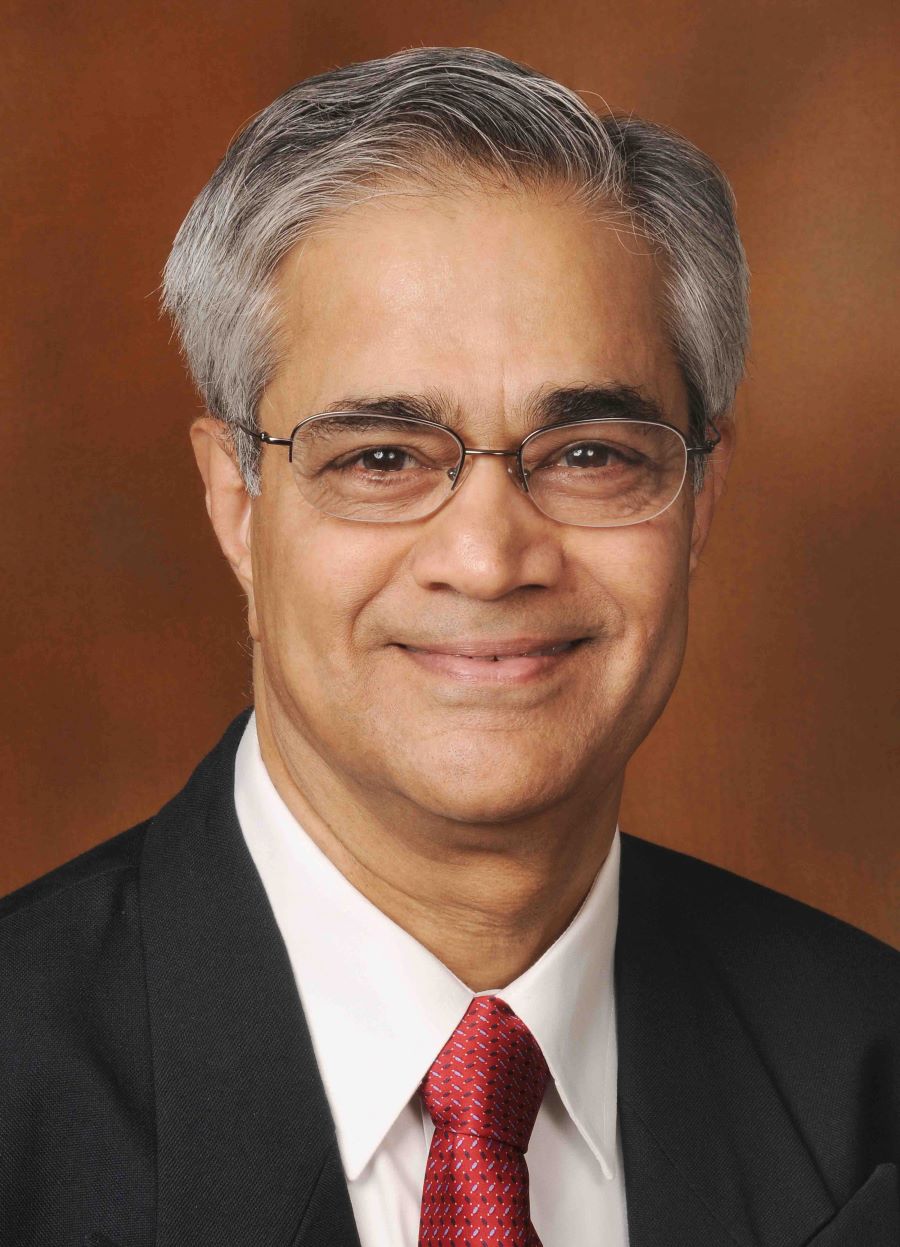 Pradeep B. Deshpande
 - Sat, 04, Jul 2026
- 16:02 EDT
- 31
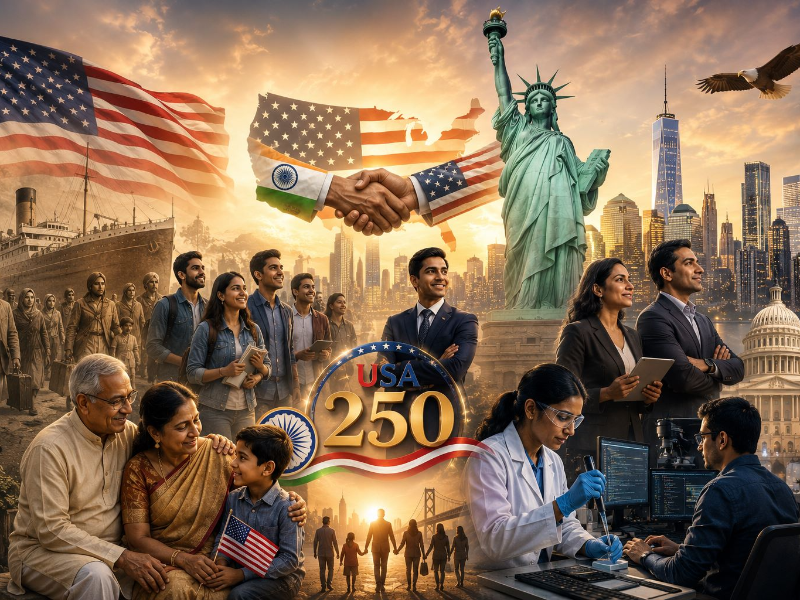
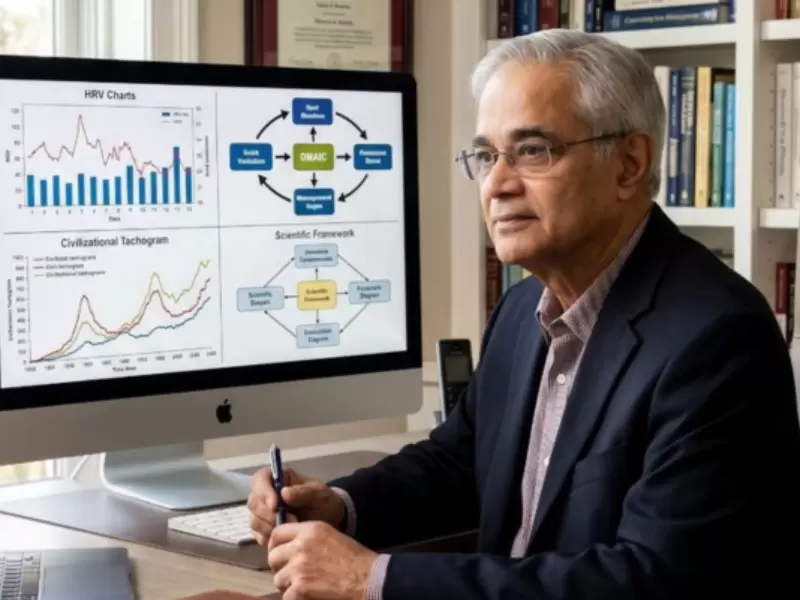 Representative Image / Generated using AI
When I arrived in the United States in the late 1960s and enrolled as an undergraduate student at the University of Alabama, I brought with me the curiosity of a scientist and the foundational values of my Indian upbringing.
Looking back from the vantage point of 2026, I see that my American journey has been more than a career; it has been a continuous process of calibration—an ongoing pursuit of "minimum variance" in both technical systems and the human experience.
America gave me the one thing every immigrant seeks: a vast, unconstrained laboratory for one’s potential. It provided the educational infrastructure to master Chemical Engineering and the professional ecosystem to challenge the status quo, first through process control and later through Six Sigma methodologies.
Also Read: SPECIAL EDITION on America 250
As a professor and as the President of Six Sigma and Advanced Controls, I found that the principles of engineering—defining parameters, measuring outcomes, and analyzing systemic flaws—were not merely applicable to industrial processes; they were the keys to unlocking human potential.
The American ethos of entrepreneurship allowed me to bridge the gap between academia and real-world applications. In my work, I have consistently advocated for an "Internal and External Excellence" framework. I have come to believe that the greatest gift this country has offered is the freedom to synthesize disparate disciplines.
By blending rigorous engineering methodologies with physiological self-regulation—such as monitoring Heart Rate Variability (HRV) and RMSSD as indicators of coherence—I have been able to advocate for a new kind of resilience. This is the integration of technical precision with the wisdom of mindfulness, a practice I believe is essential for the next generation of leaders in our schools and corporations.
My "American story" is a story of evolution. It began with the ambition to build better control systems for industry, but it matured into a deeper inquiry: How can we build a better control system for our own lives?
Throughout my life in America, this nation has provided the security to explore this question, and the community to share those findings. Whether it is through my collaborative research with colleagues like Dr. James P. Kowall, or through my recent efforts to refine our engineering and management education, this country has been the stage upon which I have been able to turn my scientific passion into a service for others.
As I look at the state of our world today, and the cyclical patterns of history that I have spent so much time studying, I am struck by the enduring necessity of this pursuit. America has given me the opportunity to stand at the intersection of where we have been as a civilization and where we must go to survive and flourish. It has challenged me to think not just in terms of personal success, but in terms of organizational and societal sustainability.
To live in America as an Indian immigrant is to inhabit two worlds at once. It is to hold the depth of ancient philosophies alongside the relentless innovation of modern science. My life’s work—the attempt to harmonize these forces—is a direct result of the liberty I was granted here to dream, to fail, to iterate, and to improve.
As we celebrate Independence Day, I am reminded that freedom is not a static state; it is a dynamic process, much like a control loop. It requires constant observation, analysis, and refinement. America has given me the tools to build that process, and for that, I am profoundly grateful. My journey continues, and I remain committed to the belief that through the application of scientific rigor to the human condition, we can create a future that is as resilient as it is exceptional.
The writer is Professor Emeritus at the University of Louisville and President of Six Sigma and Advanced Controls in Louisville, Kentucky.
(The views and opinions expressed in this article are those of the author and do not necessarily reflect the official policy or position of New India Abroad.)
Discover more at New India Abroad
Leave A Comment
Related







ADVERTISEMENT

ADVERTISEMENT
E Paper
Video

Comments
Start the conversation
Become a member of New India Abroad to start commenting.
Sign Up Now
Already have an account? Login