ADVERTISEMENT
ADVERTISEMENT



A Story We Helped Write
Take pride in how far we’ve come. Our community has earned its place in this country, and the strongest America is one where all our stories are told.
-
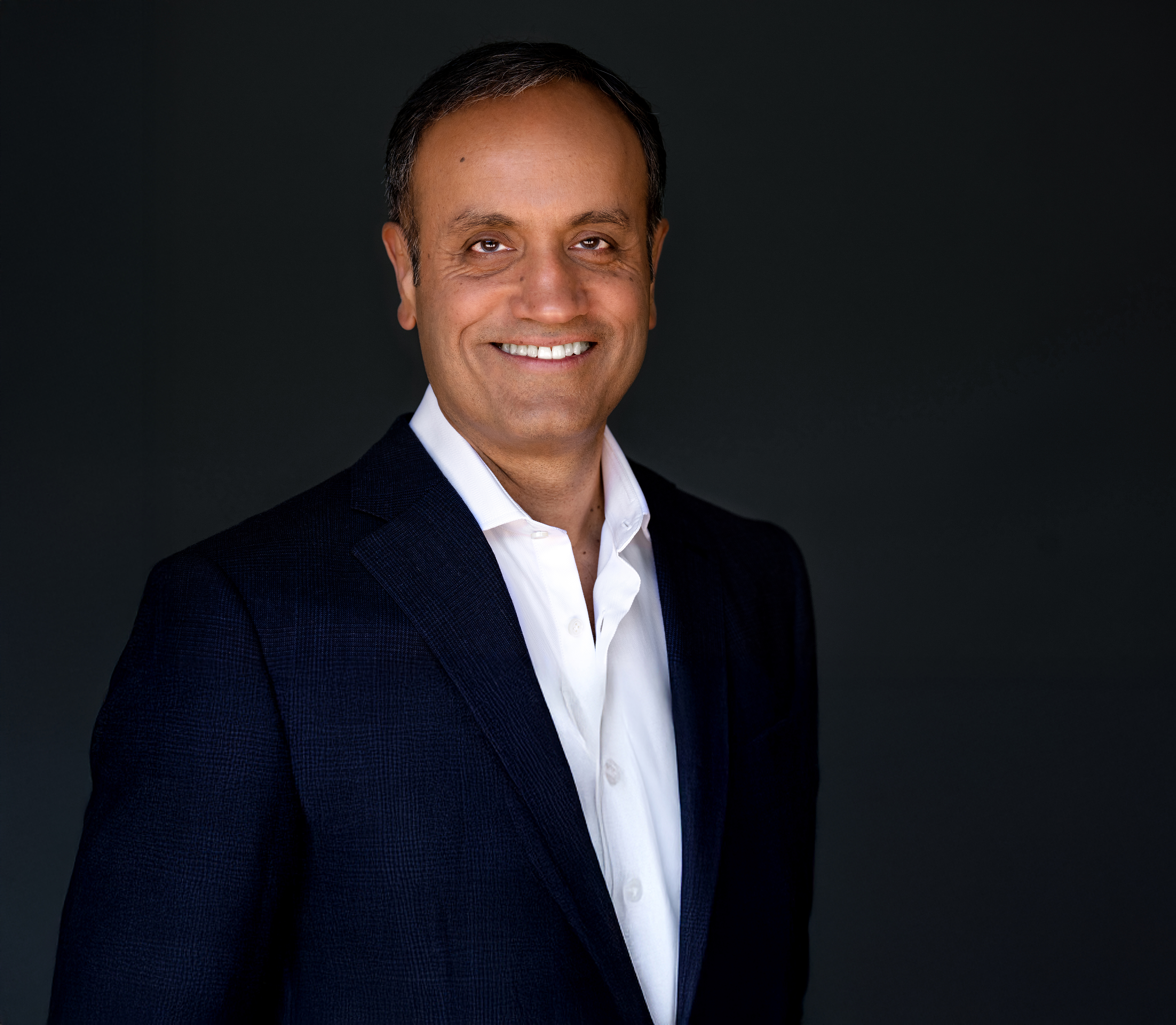 Gurpreet Sunny Singh
 - Sat, 04, Jul 2026
- 14:39 EDT
- 41
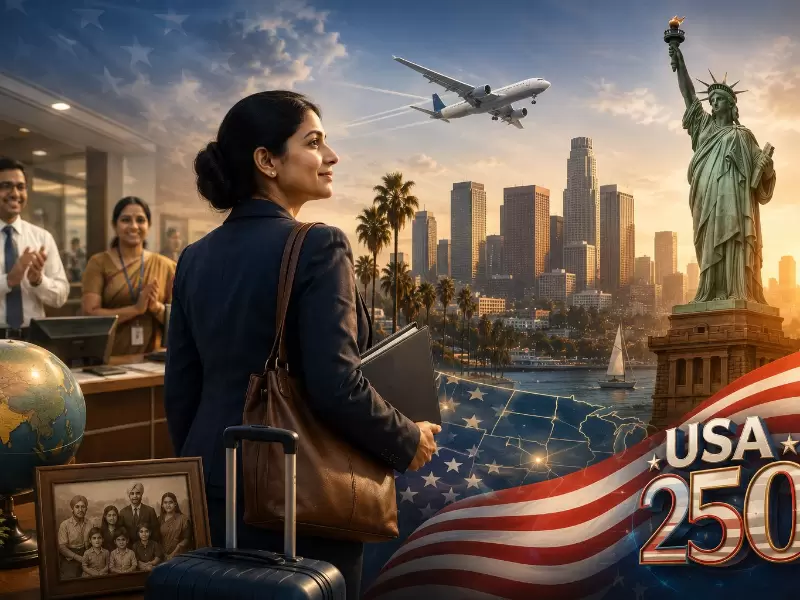
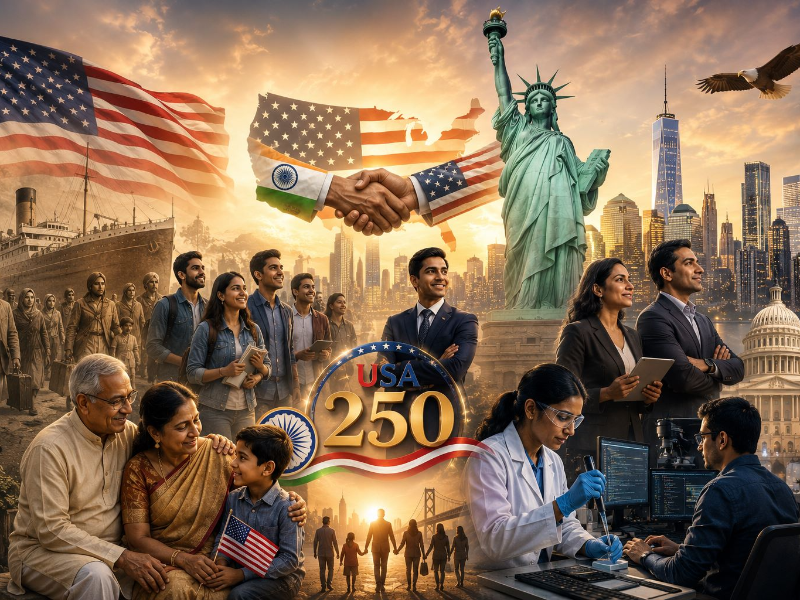 Representative Image / AI Generated
I came to America on a ticket paid for by a bank loan and my aunt’s savings. I had a degree from IIT (Indian Institute of Technology), a bag, and little more than a sense of what this country looked like on a map.
Landing in Montana alone, I had no idea what the American dream held for me. I could never have imagined I would go on to build companies that employ hundreds of people and improve the healthcare of millions.
That is my American story. But I’ve come to understand that it’s not unique to me.
Also Read: SPECIAL EDITION on America 250
The American success story also belongs to the Sikh farmers who worked California’s Central Valley in the 1800s. It belongs to Indian laborers who built American railroads more than 150 years ago and to those who served in the U.S. Army in World War I.
It belongs to every person in our community who has chosen to call America home. We did not arrive as the first settlers, but we have been part of the American success story for a very long time. As America marks 250 years, that is a story worth telling, fully and proudly.
My own history shaped my contribution to this legacy. I grew up in a lower-middle-class family in Punjab. My father was among the finest hockey players of his generation. He was a man who built his life on sheer effort and discipline, values that became the foundation for my success.
When I founded Edifecs in Seattle in 1996, I drew on everything my father and family had taught me about perseverance and everything America was teaching me about possibility. Over two decades, Edifecs grew into a global healthcare technology leader serving more than 215 million patients.
But success, I learned, is not the same as belonging.
The Indian American community today is more than 5 million strong. We are the second largest immigrant group in the United States and have achieved remarkable civic and professional success. We are not just symbols of the American dream; we are a vital part of it.
Yet our political and civic influence has not fully matched our contribution.
History is more than memory. It shapes identity. Identity shapes participation. And participation shapes the future of a democracy. When a young Indian American learns that members of our community were farming American soil 150 years ago, it instills a sense of pride and continuity.
When a first-generation entrepreneur understands that our community faced the same challenges years ago, it fuels purpose and determination.
These stories have the power to transform a successful community into an influential one. And ours has a particular role to play.
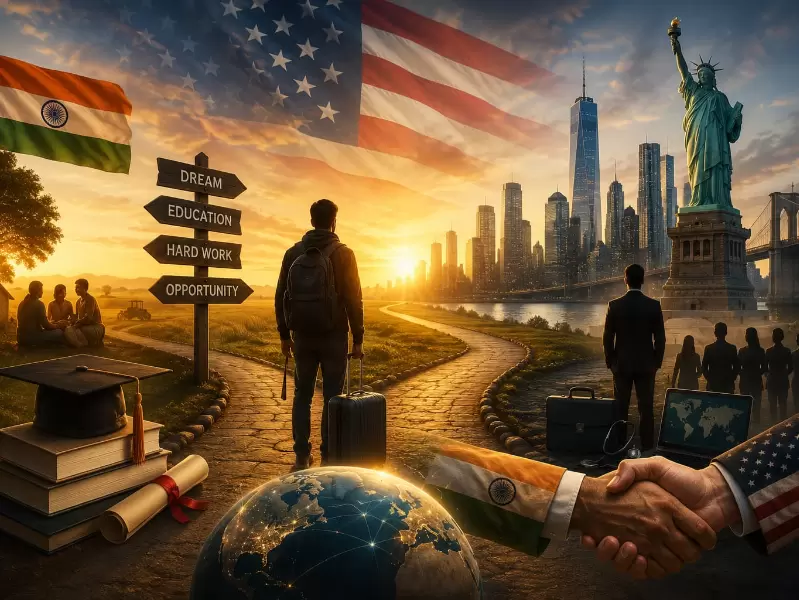
The Indian American community lives at the intersection of the world’s oldest democracy and its largest. We understand both countries from the inside. That makes us uniquely positioned to strengthen one of the defining partnerships of the 21st century.
As America turns 250, my hope is simple. Tell your story to your children, your neighbors, and your elected officials. Show up where the decisions are made and support candidates who understand us. Take pride in how far we’ve come. Our community has earned its place in this country, and the strongest America is one where all our stories are told.
I came here on a bank loan and my aunt’s savings, with no idea what was waiting for me. What I know now is that what awaited all of us was more than opportunity. It was a future that, collectively, we have the power to shape and enrich.
The writer is an entrepreneur and philanthropist based in Seattle. He is the founder of Roundglass, a global Wholistic Wellbeing organization established in 2014.
(The views and opinions expressed in this article are those of the author and do not necessarily reflect the official policy or position of New India Abroad.)
Discover more at New India Abroad
Leave A Comment
Related






ADVERTISEMENT

ADVERTISEMENT
E Paper
Video

Comments
Start the conversation
Become a member of New India Abroad to start commenting.
Sign Up Now
Already have an account? Login