ADVERTISEMENT
ADVERTISEMENT


Thanedar introduces bill on student loan bankruptcy relief
The proposal would require lenders to cover borrowers’ legal fees when courts determine student loan repayment would create undue hardship.
-
 Malvika Choudhary
 - Fri, 05, Jun 2026
- 16:17 EDT
- 163
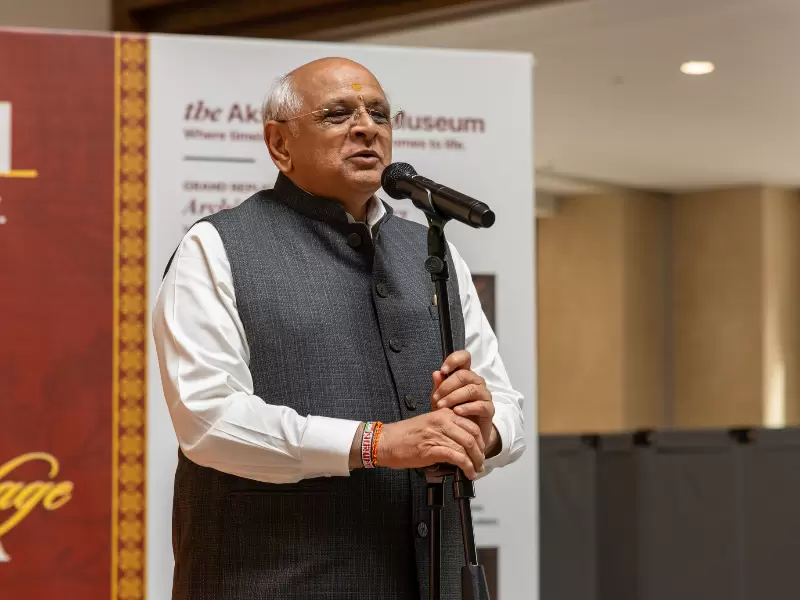
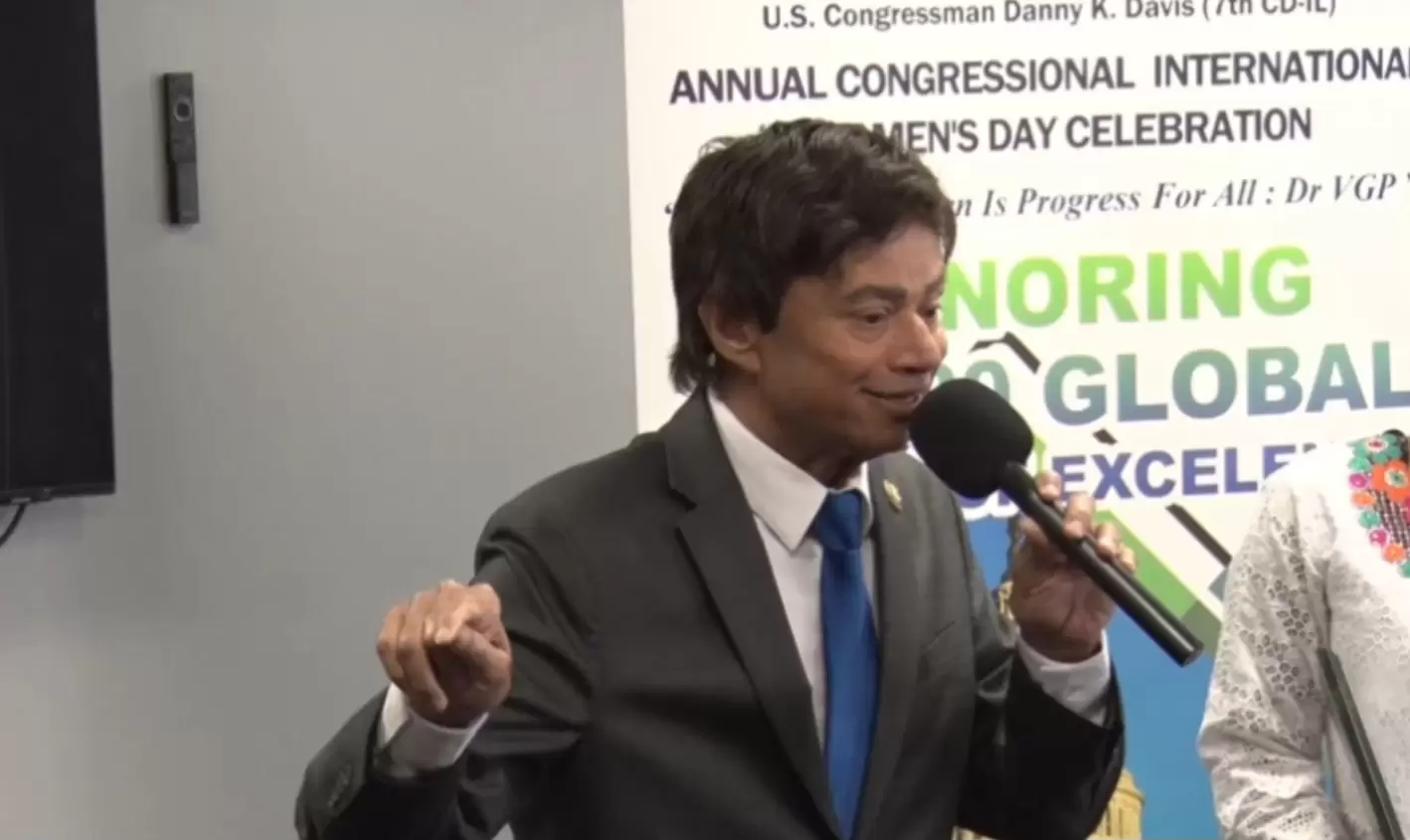 The event featured remarks from members of Congress including Rep. Danny K. Davis, Rep. Raja Krishnamoorthi and Rep. Shri Thanedar, alongside interfaith prayers, award presentations and speeches from honorees. / AMEC
Congressman Shri Thanedar introduced legislation aimed at expanding protections for borrowers seeking to discharge student loan debt through bankruptcy proceedings.
The bill, titled the Stopping Abusive Student Loan Collection Practices in Bankruptcy Act, would amend Title 11 of the U.S. Code to allow debtors to prove that their student loans should be discharged in bankruptcy proceedings.
Also Read: Thanedar stresses civic engagement for Hindu Americans at A4H event
The measure would also require lenders to pay a borrower's attorneys' fees if the borrower successfully demonstrates that repayment would create a hardship.
“No one should go bankrupt because they obtained an education,” Thanedar said in a statement. “My Stopping Abusive Student Loan Collection Practices in Bankruptcy Act would protect borrowers and allow them to discharge their student loans through bankruptcy proceedings, with attorneys’ fees paid by the lender.”
Under current bankruptcy law, student loan debt is generally exempt from discharge unless borrowers can prove that repayment would impose an “undue hardship,” a legal standard that many consumer advocates have argued is difficult to meet.
Thanedar's proposal would expand protections under that framework by shifting legal costs to lenders that lose hardship cases.
The legislation comes amid continuing debate in Washington over the treatment of student debt in bankruptcy courts. Last year, Thanedar was among the lawmakers supporting the Student Loan Bankruptcy Improvement Act of 2025, which sought to replace the longstanding “undue hardship” standard with a broader “hardship” standard.
Findings included in that legislation cited research indicating that fewer than 0.1 percent of student loan discharge requests in bankruptcy court were successful between 2011 and 2019 and noted that millions of borrowers remain delinquent or at risk of default on federal student loans.
Discover more at New India Abroad
Leave A Comment
Related







ADVERTISEMENT

ADVERTISEMENT
E Paper
Video

Comments
Start the conversation
Become a member of New India Abroad to start commenting.
Sign Up Now
Already have an account? Login