ADVERTISEMENT
ADVERTISEMENT



U.S. indefinitely extends ceasefire with Iran
It was the latest instance of Trump backing down from his repeated threats to bomb power plants and other civilian infrastructure in Iran.
-
 Reuters
 - Tue, 21, Apr 2026
- 17:49 EDT
- 40
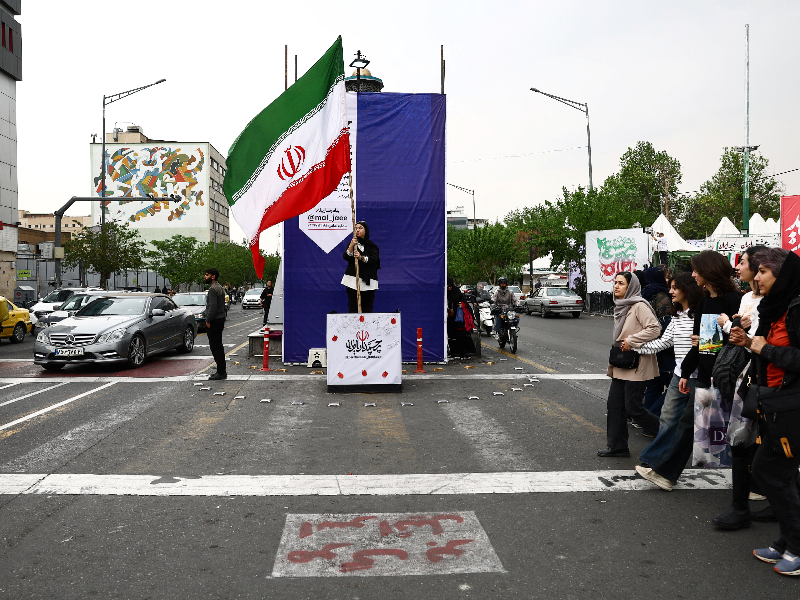 A woman holds an Iranian flag on a street, amid a ceasefire between U.S. and Iran, in Tehran, Iran, April 20, 2026. / Majid Asgaripour/WANA (West Asia News Agency) via REUTERS
U.S. President Donald Trump indefinitely extended the ceasefire with Iran on April 21, hours before it was set to expire, to allow the two countries to continue peace talks to end a war that has killed thousands of people and shaken the global economy.
In a statement on social media, Trump said he had agreed to a request by Pakistan, which has mediated peace talks, "to hold our Attack on the Country of Iran until such time as their leaders and representatives can come up with a unified proposal."
Also Read: Table for talks set as world awaits US, Iran meet halfway in Islamabad
Trump said he extended the ceasefire, which began two weeks ago, until Iran's "proposal is submitted, and discussions are concluded, one way or the other."
It was the latest instance of Trump backing down from his repeated threats to bomb power plants and other civilian infrastructure in Iran. United Nations Secretary General António Guterres and others have said international humanitarian law forbids such attacks.
There was no immediate comment from Iran, Israel or Pakistan.
Trump, who with Israel launched the war on Iran on February 28, said he decided to extend the ceasefire because "the Government of Iran is seriously fractured, not unexpectedly so," a reference to U.S.-Israeli assassinations of some of the country's leaders, including the late Supreme Leader Ayatollah Ali Khamenei, who has been succeeded by his son.
Trump said he would continue the U.S. Navy's blockade of Iran's ports and shore, which Iran's leaders have said is an act of war. The U.S. blockade became a sticking point as the two countries wavered this week on whether to send negotiators to a second round of peace talks in Islamabad, the Pakistani capital.
The ceasefire extension came only a few hours after Trump had said he was not inclined to continue the temporary truce and the U.S. military was "raring to go." He told CNBC in an interview that the U.S. was in a strong negotiating position and would end up with what he called "a great deal."
Discover more at New India Abroad..
Related






.png)
ADVERTISEMENT

ADVERTISEMENT
E Paper
Video

Comments
Start the conversation
Become a member of New India Abroad to start commenting.
Sign Up Now
Already have an account? Login