ADVERTISEMENT

ADVERTISEMENT



The Raga cortisol connection: Ancient sounds for modern burnout
Under the plan, Pichai's three-year salary of $6 million, or $2 million per year, would remain unchanged.
-
 AFP
AFP -
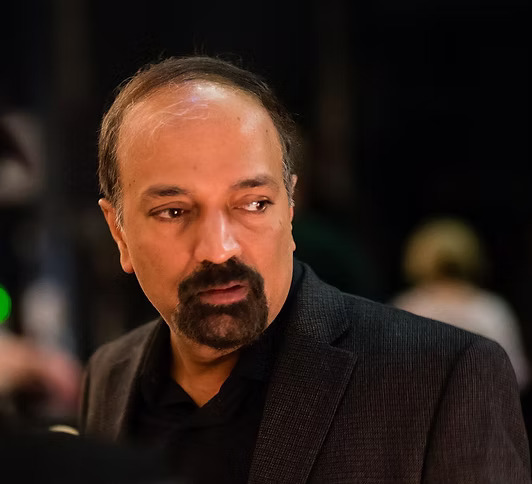 Dr Kanniks Kannikeswaran
 - Sat, 07, Mar 2026
- 16:15 EST
- 21
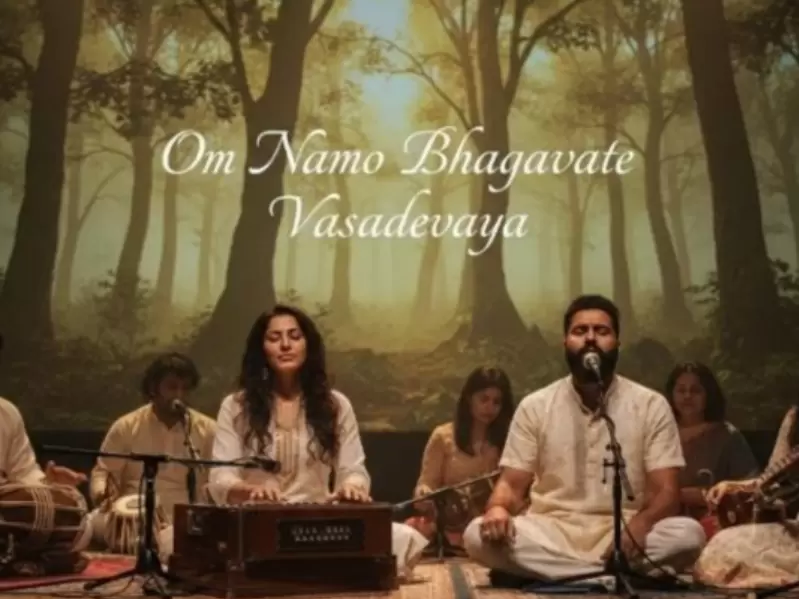
 Representative Image / AI generated
In an era defined by relentless hustle, constant digital connectivity, and soaring stress levels, the ancient sonic architecture of Indian Raga music offers a delightful aural counterpoint.
The question isn't whether ragas are "magical" in the supernatural sense, but rather, whether their meticulously structured melodic forms possess the power to genuinely influence our physiological state—specifically, by reducing the body’s primary stress hormone, cortisol.
Also Read: Saregama reimagines Bollywood classics for the West
While the term "magical" often implies the supernatural, the measurable impact of Ragas is rooted in a highly sophisticated musical aesthetic The music acts not by arbitrary selection, but by utilizing specific note clusters, melodic movements (gamakas), and microtonal nuances (śrutis) that are designed to evoke particular, predictable emotional and psychological states (rasas).
The 1st millennium work Nāṭya Śāstra detailed eight rasas, later expanded to nine with the addition of Śānta rasa (peace): Śṛṅgāra (love), Hāsya (laughter), Karuṇa (empathy), Raudra (anger), Vīra (heroism), Bhayānaka (fear), Bībhatsa (aversion), Adbutha (wonder), and Śānta.
The term rasika denotes a connoisseur of the Arts. Ragas are beyond the aesthetics of rasa. They constitute a soundscape honed and cataloged over centuries, where the specific scale and sequence of notes are calibrated to optimize mental tranquility. There are ragas assigned to various hours of the day and have the greatest impact when performed during the appropriate prakar of the day. There are ragas assigned to various seasons as well.
How does Raga music matter in this contemporary context? It provides a non-invasive, universally accessible tool for emotional self-regulation. Raga system prioritizes melodic purity, sustained notes, and the subtle movement between pitches.
This structure, especially when explored in an unhurried performance setting leads the listener into a deep, meditative state. This sustained focus, devoid of the cognitive load required to process external distraction or sudden musical shifts, allows the mind to settle and process internal noise, effectively mitigating the effects of anxiety and attention fragmentation.
As we face a global epidemic of anxiety, chronic burnout, and fractured attention, Raga music offers a blueprint for cultivating mental resilience. It’s a sonic anchor, a reminder embedded in sound that tranquility and focused attention are inherent human possibilities, not commodities to be purchased.
Far from being a mere relic of classical culture, the Raga system is a powerful, time-tested technology for holistic well-being, perfectly suited to address the incessant psychological noise and emotional demands of contemporary life, offering a pathway back to balance through sound itself. We, the diaspora, in particular, have a powerful, intrinsic heritage tool that we can leverage for mental health and well-being.
The writer is an internationally recognized musician and composer based in the United States, who draws on decades of research and practice. He is the author of ‘Anubhuti - Experiencing Muthusvami Dikshitar’, the first book to be published on Dikshitar during his 250th year.
(The views and opinions expressed in this article are those of the author and do not necessarily reflect the official policy or position of New India Abroad) Discover more at New India Abroad.Related









ADVERTISEMENT

ADVERTISEMENT

ADVERTISEMENT
E Paper
Video

Comments
Start the conversation
Become a member of New India Abroad to start commenting.
Sign Up Now
Already have an account? Login