ADVERTISEMENT
ADVERTISEMENT



Invisible injuries: Concussions in student athletes
Most students follow a recovery plan called “Return to Learn,” which helps them gradually return to daily activities.
-
 Naisha Jha
 - Fri, 03, Apr 2026
- 17:48 EDT
- 52
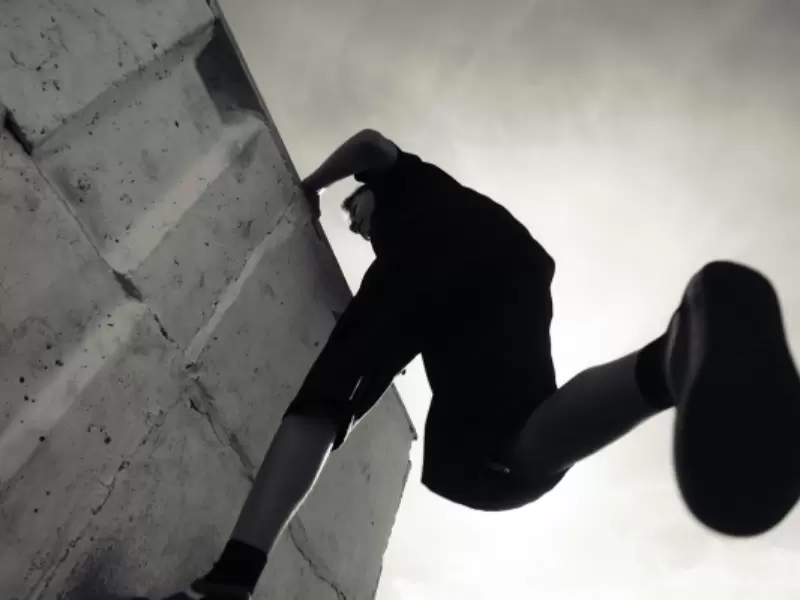 Representative Image / Canva
The crowd cheers, the clock is running, and the game is on the line. A student athlete collides with another player, falls, and quickly gets back up, shaking it off and returning to the game.
To everyone watching, it looks like nothing happened. But what no one can see is what may have just happened inside the athlete’s brain. Concussions are often called “invisible injuries” because there is no cast, no crutches, and no obvious sign that something is wrong.
Yet for many student athletes, a concussion can affect not just their athletic performance, but also their academics. While athletes are often told to be strong and keep playing, concussion awareness shows that sometimes the toughest decision is stepping off the field. In the end, protecting the brain is more important than finishing any game.
Minneapolis submits bid to host 2028 NFL Draft
According to the National Institute of Health, a concussion is a type of traumatic brain injury that occurs when a person experiences a bump, blow, or jolt to the head or body that causes the brain to move rapidly back and forth inside the skull. Even though the brain is cushioned by fluid, this sudden movement can cause the brain to bounce and recoil in an unnatural way, which disrupts normal brain function.
When this happens, brain cells, called neurons, experience a disruption in communication for a period of time. The brain also uses more energy to heal while receiving less blood flow, creating what is called an energy imbalance.
The Mayo Clinic emphasizes a list of concussion symptoms such as headaches, dizziness, confusion, memory problems, difficulty concentrating, nausea, and sensitivity to light or noise. For student athletes, these symptoms can make it difficult to focus and participate in daily activities.
A common misconception involves the idea that a concussion only happens if an individual falls unconscious. In fact, majority of concussions are diagnosed on conscious individuals. Educating teams on concussion awareness is crucial to avoid overexertion in student athletes.
Because concussions affect how the brain functions rather than how it looks, they often do not appear on standard brain scans. Instead, doctors and athletic trainers use cognitive and physical tests to evaluate whether an athlete has a concussion.
The National Athletic Trainers Association explains how athletic trainers and other personnel can test for and manage concussions. Athletes may be asked basic questions about the game, the date, or their location to test memory and awareness.
They may also be asked to remember a short list of words, follow an object with their eyes, perform reaction time tests, or complete balance tests such as standing on one foot or walking in a straight line.
Many schools also perform baseline testing at the beginning of the sports season. This provides a record of the athlete’s normal memory, reaction time, and balance, which can later be compared if a head injury is becomes probable.
If a concussion is suspected, the athlete should be removed from play immediately and evaluated by a medical professional. Continuing to play with a concussion can worsen the injury and increase recovery time. In some cases, it can even cause permanent damage.
Treating a concussion is different from treating most sports injuries because the main treatment is rest. This means limiting activities that require concentration, such as homework, studying, video games, and phone use, especially in the early stages of recovery. Many student athletes are surprised to learn that schoolwork can make concussion symptoms worse because thinking and focusing require brain energy.
Most students follow a recovery plan called “Return to Learn,” which helps them gradually return to daily activities. This may include extra time on tests, reduced homework, breaks during class, or avoiding bright lights and loud environments.
Athletes also follow a “Return to Play” progression, which is a step-by-step process for safely returning to sports. This usually starts with light exercise, then sport-specific drills, then non-contact practice, then full practice, and finally competition. If symptoms return at any step, the athlete must go back to the previous step and continue resting. Returning to sports too early can be dangerous and may lead to more serious brain injuries.
Concussions are often invisible, but its effects on student athletes are very real. They can affect not only sports performance, but also school performance, memory, mood, and overall health. Student athletes may feel pressure to keep playing, but reporting a concussion and taking time to recover is the responsible and safe decision.
The moment at the beginning of the game when the athlete “just shook it off” could actually be the moment that changes their season, their grades, or their health. That is why concussion awareness is so important. At the end of the day, athletics will get a second chance, but the brain only gets one chance to heal properly. Protecting it is more important than any scoreboard.
Discover more at New India Abroad
Leave A Comment
Related











ADVERTISEMENT

ADVERTISEMENT
E Paper
Video

Comments
Start the conversation
Become a member of New India Abroad to start commenting.
Sign Up Now
Already have an account? Login