ADVERTISEMENT
ADVERTISEMENT



How Devi Parikh turned curiosity into a career at the frontiers of AI
Parikh, a woman of grit, emphasizes that representation in leadership roles matters.
-
 Manvi Pant
 - Sun, 29, Mar 2026
- 03:51 EDT
- 259
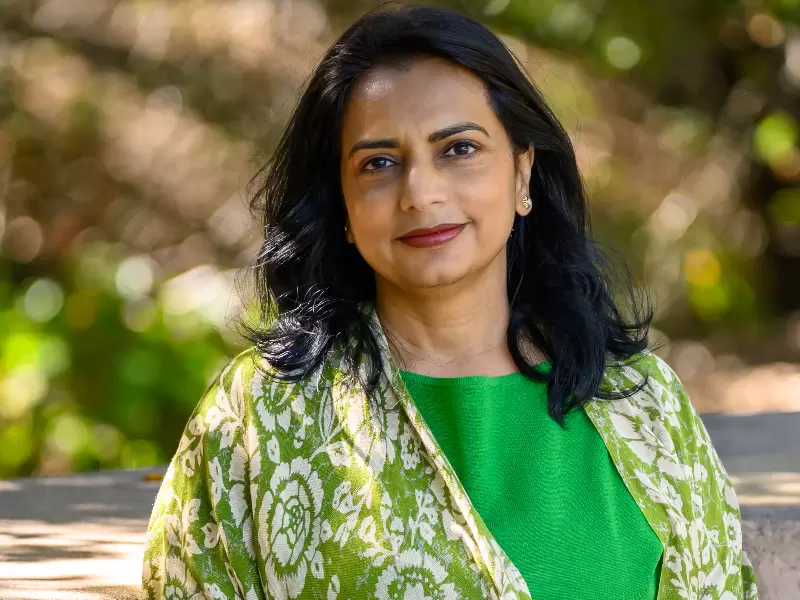
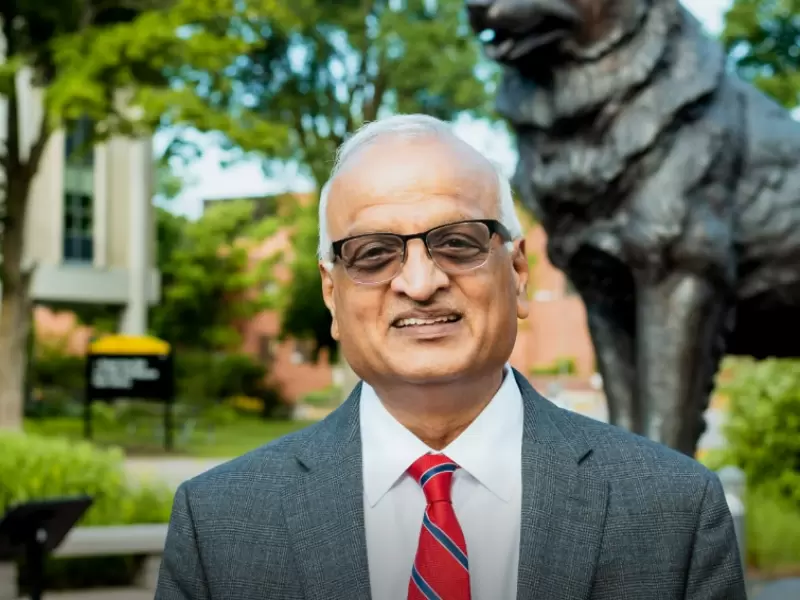
 Devi Parikh. / Courtesy Photo
Growing up in Ahmedabad, Devi Parikh was used to a world where everything was organized and planned well in advance – right from her household to her weekends. Today, years later, she works at the forefront of artificial intelligence and machine learning, embracing its unpredictability, encountering unexpected outcomes, and driving rapid change through experimentation.
Shortly after high school, Parikh moved to the States for her undergrad. At Rowan University, she was exposed to what, at the time and in ECE, was called “pattern recognition,” which in CS was called machine learning, and is the basis of what we all now know as Artificial Intelligence. Simply drawn by the fact that machines can perform tasks automatically in a way that closely resembles humans, Parikh couldn’t contain her fascination. By the second year, she knew – this is her career trajectory and this is where she belongs.
ALSO READ: Curiosity, code, and the cosmos: Priyamvada Natarajan’s journey to black holes
“That sense of curiosity and fascination is really what drew me in, and it’s what has kept me engaged with the field over the years.” Parikh also doesn’t discount chance and luck. As a second-year undergraduate, she certainly didn’t foresee how huge the AI / ML field would turn out to be.
Before solidifying her position as one of Meta’s most influential AI leaders, the computer scientist moved seamlessly between research and teaching roles. The year 2016 paved a different path for her when she joined the Facebook AI Research (FAIR) team as a research scientist.
Constantly pushing boundaries, Parikh refuses to see challenges or failures as impediments. “It’s a mindset. Challenges are natural ups and downs that come with any long-term journey.” She further quotes someone – “If the world is not saying 'no' to you, it probably means you’re not asking for enough. If you’re engaging with the world, trying new things, and pushing forward, you’re inevitably going to face a lot of rejection. The first one always stings. Then it gets easier.” Quite blessed not to have experienced any significant professional challenges, Parikh calls ‘a series of smaller moments, little setbacks’ to have actually nudged her in different directions.
 Devi Parikh / Courtesy Photo
The above experiences have also changed her as an individual. Speaking of which, she says, “It’s hard to know how much you have evolved when you are so close to yourself. This evaluation needs an aerial view. But some of the shifts in me happened by exposure to different people, perspectives, and ways of living and are not directly linked to my professional journey.”
Reminiscing her formative years, Parikh candidly shares about growing up in a very organized household where everything was clean, ordered, and planned well in advance – something straight out of Marie Kondo’s book. “If you picked something up, you put it back where it belonged.” But over the years, she has eased up a lot and become much more comfortable navigating uncertainty.
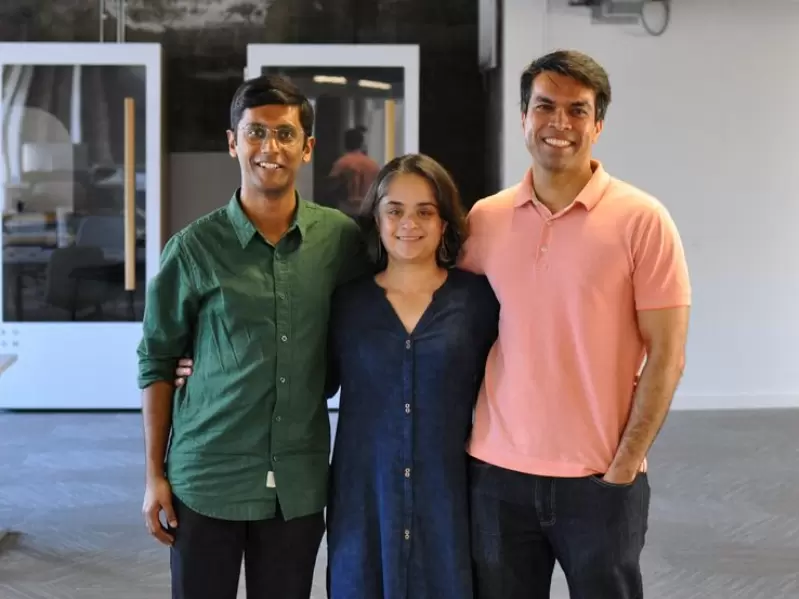
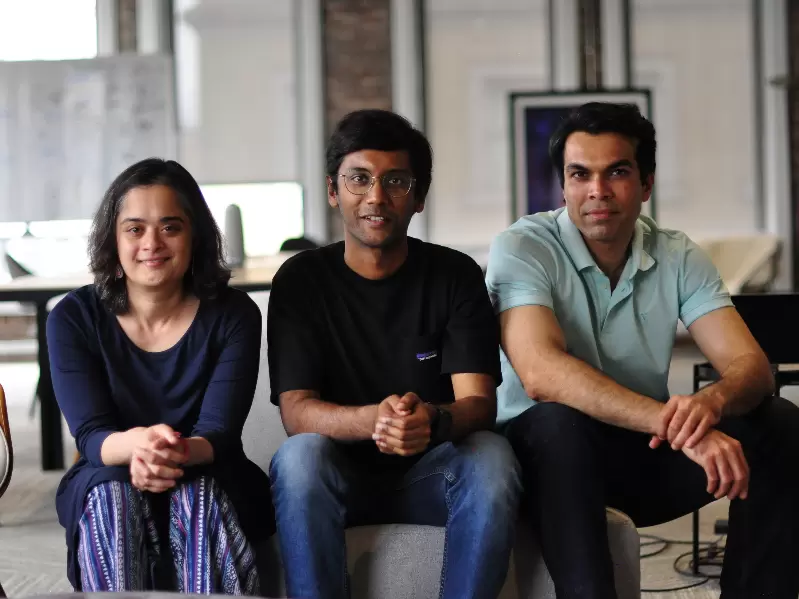
The AI scientist who has served as the Senior Director of Generative AI at Meta left to embark on an entrepreneurial journey in 2024 when she co-founded Yutori (an AI startup), alongside her husband and a close friend. Beyond technology, her journey carries a powerful message on ‘representation’.
ALSO READ: How Jeena Raghavan painted her way global
Parikh, a woman of grit, emphasizes that representation in leadership roles matters. But diverse leadership doesn’t happen in isolation. It requires presence throughout the entire pipeline. People don’t simply appear in leadership positions overnight — they grow into those roles over time. Also, it’s important to have a mechanism through which individual voices are welcomed, valued and incorporated. Otherwise, people don’t feel the need to or feel welcome to invest their time and energy.
For workplaces to be more equitable, the tech leader suggests one needs to adopt a scout mindset.
“Different voices in the room broaden how problems are viewed and discussed. Bias often persists when the same voices dominate. During performance reviews or decision-making, step back and consider where value is coming from and what people contribute. Avoid letting assumptions guide you.”
Discover more stories on New India Abroad.
Leave A Comment
Related







ADVERTISEMENT

ADVERTISEMENT
E Paper
Video

Comments
Start the conversation
Become a member of New India Abroad to start commenting.
Sign Up Now
Already have an account? Login