ADVERTISEMENT

ADVERTISEMENT



Who Cares? Caregivers Often Invisible But Central to our Lives
Most caregiving expenses, transportation, home modifications, medical supplies, lost wages, are paid out of pocket.
-
 Ritu Marwah
 - Mon, 22, Dec 2025
- 14:24 EST
- 8
 Representative Image / Canva
If you ask a caregiver, “Are you a caregiver?” They will probably say no.
Estimates are that about 65% of all care is provided informally by family and friend caregivers.There are 7 million family caregivers in California. “Family and informal caregiving is central to California’s health care system, supporting millions of older adults and people with disabilities every day.” said Susan DeMarois, Director, California Department of Aging at the American Community Media briefing co-hosted by the Department of Aging.
Yet many of the dedicated people who provide care don’t consider themselves “caregivers.” As a result they miss out on information, services and resources that could support them.
Alma Valencia, caregiving began long before she identified herself as a caregiver
For Alma Valencia, caregiving began long before she ever identified herself as a caregiver. Her mother, Arminda Vargas Valencia, was living independently when subtle behavioral changes emerged in her late 50s, missed bills, shifting moods, and financial missteps that were initially dismissed as stress or menopause. In 2015, Valencia was forced to sell her mother’s home and assume power of attorney, navigating complex systems she had never expected to face while still working full-time and raising her own children.
Years passed before her mother was correctly diagnosed with frontal temporal dementia, a condition that steadily intensified the need for care. During the COVID-19 pandemic, Arminda moved in with Valencia’s family full-time, and she ultimately qualified for California’s In-Home Supportive Services (IHSS), allowing Valencia to become her paid caregiver. Letting go of a career to care for her mother was difficult, Valencia said, but like many caregivers, she stepped into the role not out of choice, but necessity—“doing our due diligence,” as she put it, simply trying to be a good daughter.
“Family members, friends, neighbors can know that there are resources and people they can turn to so they never feel alone.in their caregiving journey,” said DeMarois. In-Home Supportive Services (IHSS) is a vital resource, particularly in California, helping low-income seniors/disabled stay home by funding support, reducing isolation, and offering practical help through community programs for informal caregivers.
IHSS under Medicaid… Medi-Cal
In California, In-Home Supportive Services (IHSS) is administered by all 58 counties and stands as the largest Medicaid home and community-based services program in the nation. The program serves more than 800,000 individuals, including children, adults, and older adults who need assistance to remain safely in their homes.
What distinguishes IHSS from most long-term care programs is who provides the care. The majority of direct care workers assisting with daily activities such as bathing, dressing, meal preparation, and mobility are family members or relatives who are paid to support their loved ones. In effect, IHSS formalizes family caregiving, recognizing the essential role relatives play in sustaining care at home while preventing far more costly institutionalization.
This structure underscores both the strength and the fragility of the caregiving system: California relies heavily on family caregivers not only as emotional supports, but as the primary workforce delivering long-term care in the community.
Dan Salinger’s dad is a social media celebrity
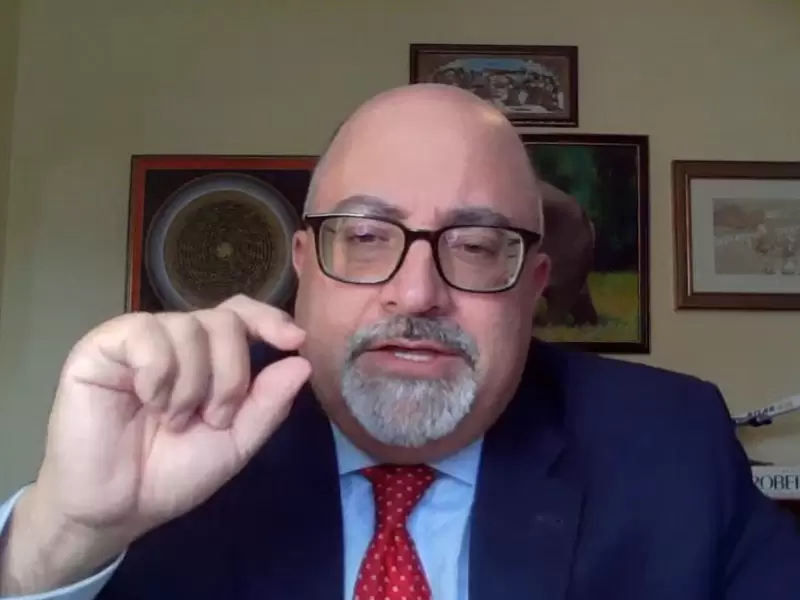
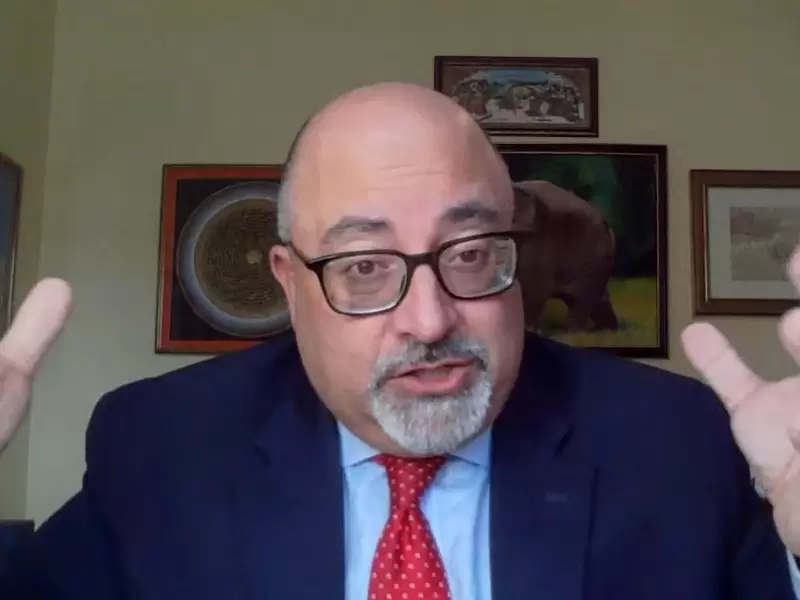
Dan Salinger, an attorney by profession, has been caring for his 93-year-old father, who has lived with him full-time for the past five years, though his caregiving journey began more than a decade ago while his father was still living independently. Subtle but alarming signs, forgetting familiar rooms, mishandling large sums of money, getting lost on routine drives, signaled that this was more than normal aging.
As his father’s dementia progressed, the family rotated care between the homes of the two brothers until a fall and broken hip two years ago marked a turning point. Since then, Salinger and his wife have become full-time caregivers, assisting with every aspect of daily life. “You don’t realize the progression as it’s happening,” Salinger said. “Dementia doesn’t discriminate and once it takes hold, it changes everything.”
“You know, everything seemed to be going fine. Until that faithful day, I woke up thinking it was going to be a normal day, but unfortunately, my dad fell down and broke his hip and my life shifted dramatically from that point on. Without even realizing the progression just comes, right? And it doesn't matter what race, creed, religion, or economic status. dementia does not discriminate. It comes after people, and the ravages are going to come regardless of what your standing is in life,”
“I’m living on much less than I did before,” he said. “We’ve made lifestyle changes. We are not going out to expensive dinners or taking vacations because of our caregiving responsibilities. It’s been a very difficult transition. I was fortunate to have some assets and was able to sell a house and live off that for a couple of years.”
“Later, my dad unexpectedly became popular on social media, which helped bridge some of the financial strain. But that’s like hitting the lottery. Without that, I would still be struggling significantly, and I’d probably be relying on resources I’m only now learning about, five years into caregiving. It’s been hard.”
It is extremely difficult as caregivers -the lack of respite, the financial pressure, the isolation,” said Salinger. “The breaks and community networking helps you get through difficult moments.”
Recognize and deliver on the needs of the caregiver
Paul Dunaway, director of the Sonoma County Adult and Aging Division of the California Association of Area Agencies on Aging shared the resources caregivers can depend on.
Caregivers in California have access to a wide range of training and support programs designed to meet both educational and emotional needs. Those interested in skill-building can participate in training covering topics from emergency preparedness to Dementia Care 101, offered online and in person across communities. For caregivers needing rest or social interaction, programs such as day respite, senior social clubs, and grants for in-home respite provide opportunities to recharge.
Additional services including Tai Chi and yoga classes, support groups, and counseling help caregivers care for their own physical and emotional well-being. Each caregiver meets with a family consultant for a comprehensive assessment of their emotional, physical, and financial needs, and works with a social worker to develop a personalized plan that often includes counseling, education, support groups, and respite.
“Whatever role you play as a caregiver, there’s a community of care for you, too,” said Dunway, urging caregivers to contact their local Area Agency on Aging to learn more about neighborhood resources.
“Hospital at home” trained by Caregiver resource centers
There are 11 caregiver resource centers that support caregivers through coaching, counseling, support groups, and workshops.
With people living longer into their 80s, caregiving is lasting sometimes 10 years or more, said Dr. Donna Benton, Director, USC Family Caregiver Support Center (FCSC) and the Los Angeles Caregiver Resource Center (LACRC). Benton urged caregivers to go to Caregivercalifornia.org.to find out who's their local caregiver resource center. Caregivers in California seeking support and services can find their local resources through the
California Caregiver Resource Centers (CRCs) or Area Agencies on Aging (AAA).
“Things that used to be done within an institution, within a hospital are now expected of families to do in terms of long-term care in the home.
“There are complex medication regimens that have their own side effects, which we now have to understand. People are having to change somebody's needles, doing pain management etc which scares many families, who don't want to over-medicate somebody and harm them.”
Today, an estimated 60 to 70 percent of family caregivers are working while providing care to a loved one. Many are juggling full-time jobs alongside the responsibilities of caring for aging parents, spouses, siblings, or friends.
These pressures are colliding with a demographic reality that cannot be ignored: families are smaller, and the pool of available family caregivers is shrinking each year. As the population of older adults continues to grow, fewer people will be available to provide unpaid care. For many Americans, the question is no longer who will help, but whether anyone will be able to help at all.
Despite the essential role family caregivers play, public infrastructure to support them remains woefully inadequate. Most caregiving expenses, transportation, home modifications, medical supplies, lost wages, are paid out of pocket. Medicaid and Medicare offer limited relief, and only under narrow eligibility rules. For families who fall outside those boundaries, caregiving can quickly become a financial crisis.
Meanwhile, payment and insurance rules have grown so complex that families often need specialized knowledge just to navigate the system.
To sustain this essential role, caregivers need more than gratitude; they need support. That means wraparound social services, financial protections, clearer and simpler access to benefits, and policies that recognize caregiving as a critical part of our health care infrastructure.
“I wish I had known early on there's so many resources that I could have taken,” said Salinger.
Alma wishes she had had access to information about these resources through the first person she received the diagnosis from.
“ I felt very lost.”
Related







.jpg)

ADVERTISEMENT
ADVERTISEMENT
E Paper
Video

Comments
Start the conversation
Become a member of New India Abroad to start commenting.
Sign Up Now
Already have an account? Login