ADVERTISEMENT

ADVERTISEMENT



Tools may change, policy remains: USTR Greer
Greer said the administration’s approach remains intact even if the statutory pathway shifts.
-
 IANS
IANS - Sat, 21, Feb 2026
- 01:16 EST
- 11
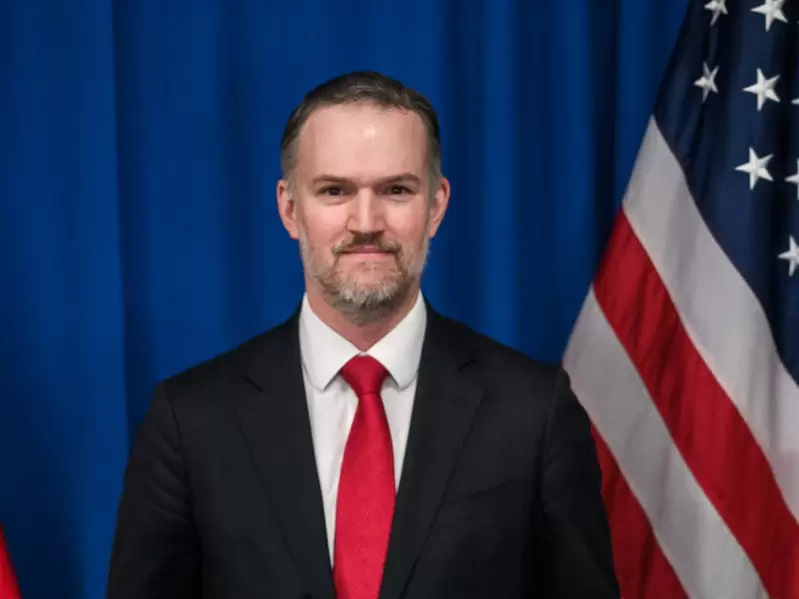 U.S. Trade Representative Jamieson Greer / X/@USTradeRep
U.S. Trade Representative Jamieson Greer said the Trump administration will continue to execute the president’s trade agenda despite the Supreme Court’s ruling limiting the use of emergency tariff powers, stressing that alternative legal tools are already being deployed.
Speaking to Fox News, Greer said the administration’s approach remains intact even if the statutory pathway shifts.
“Simultaneously, the Office of the U.S. Trade Representative will initiate a number of investigations under Section 301 into unfair trading practices by a number of different countries to assess whether we can impose tariffs on that basis, if we need to, if they don’t resolve those issues,” Greer said.
He added that the administration retains existing national security measures. “And of course, we have existing national security tariffs on auto, steel, aluminum, et cetera,” Greer noted.
ALSO READ: Tariffs stay central to Trump's economic policy
Summarizing the administration’s posture after the court’s decision, Greer said: “Although the tools may change, the policy remains the same.”
Greer emphasized that trade agreements negotiated under President Donald Trump remain in force and are not affected by the legal shift.
“It helped us obtain tons of deals covering half of the world’s population, opening up market access we haven’t enjoyed for 30 years, and we have these agreements, so we’ll just use a different tool,” he said.
Reiterating the continuity message, Greer added: “Again, the tools may change, but the policy stays the same, and IEEPA was part of that.”
He also sought to reassure markets and trading partners that the transition away from IEEPA-based tariffs would not create instability.
“So we don’t expect to see disruption. We expect to see continuity. We expect the countries to keep their agreements. So I think it’s just going to be continuous progress on the president’s trade policy, which has been very successful,” Greer said.
Following the Supreme Court ruling, the administration announced a temporary 10 percent global tariff under Section 122 of the Trade Act of 1974 and signaled an expansion of Section 301 investigations into alleged unfair trade practices. Existing Section 232 tariffs tied to national security concerns remain in effect.
The message from the U.S. Trade Representative’s office was clear: While the legal mechanism may change, the administration’s broader objective — reshaping global trade relationships in favor of U.S. workers and businesses — will continue without interruption.
Discover more stories on NewIndiaAbroad
Related





ADVERTISEMENT

ADVERTISEMENT
E Paper
Video

Comments
Start the conversation
Become a member of New India Abroad to start commenting.
Sign Up Now
Already have an account? Login