ADVERTISEMENT
ADVERTISEMENT



Birthright citizenship: Settled in 1866, affirmed in 2026
Birthright citizenship is the one door no lawmaker could shut. I have walked through it. It let me run for the Georgia State Senate in 2024 in my hometown of Johns Creek, without needing to ask anyone’s permission.
-
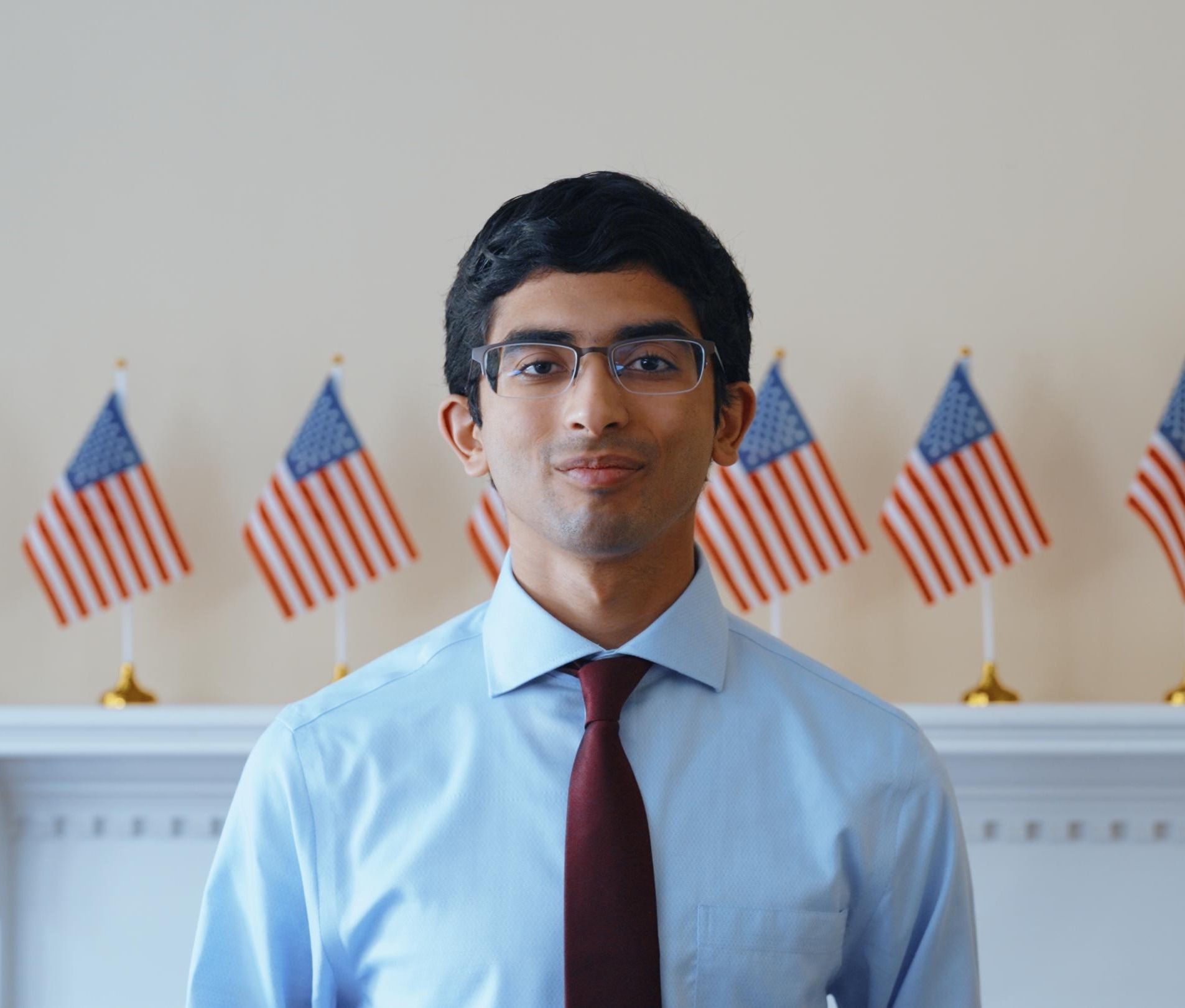 Ashwin Ramaswami
 - Sat, 25, Jul 2026
- 12:22 EDT
- 25
.jpg) Demonstrators rally on the day the Supreme Court justices hear oral arguments over U.S. President Donald Trump's bid to broadly enforce his executive order to restrict automatic birthright citizenship, during a protest outside the U.S. Supreme Court in Washington, D.C., U.S., May 15, 2025. / File Photo/REUTERS/Nathan Howard
Demonstrators rally on the day the Supreme Court justices hear oral arguments over U.S. President Donald Trump's bid to broadly enforce his executive order to restrict automatic birthright citizenship, during a protest outside the U.S. Supreme Court in Washington, D.C., U.S., May 15, 2025. / File Photo/REUTERS/Nathan Howard
On January 6, 2021, I was a Stanford undergraduate taking Professor Michael McConnell’s course on the drafting of the Reconstruction Amendments. We read the debates of the Thirty-Ninth Congress to settle who is a citizen in this country, when drafting the Fourteenth Amendment in 1866.
That same day, a mob stormed the Capitol attempting to overturn the 2020 election results. That class is a big reason why I went to law school, and, ultimately, ran for office.
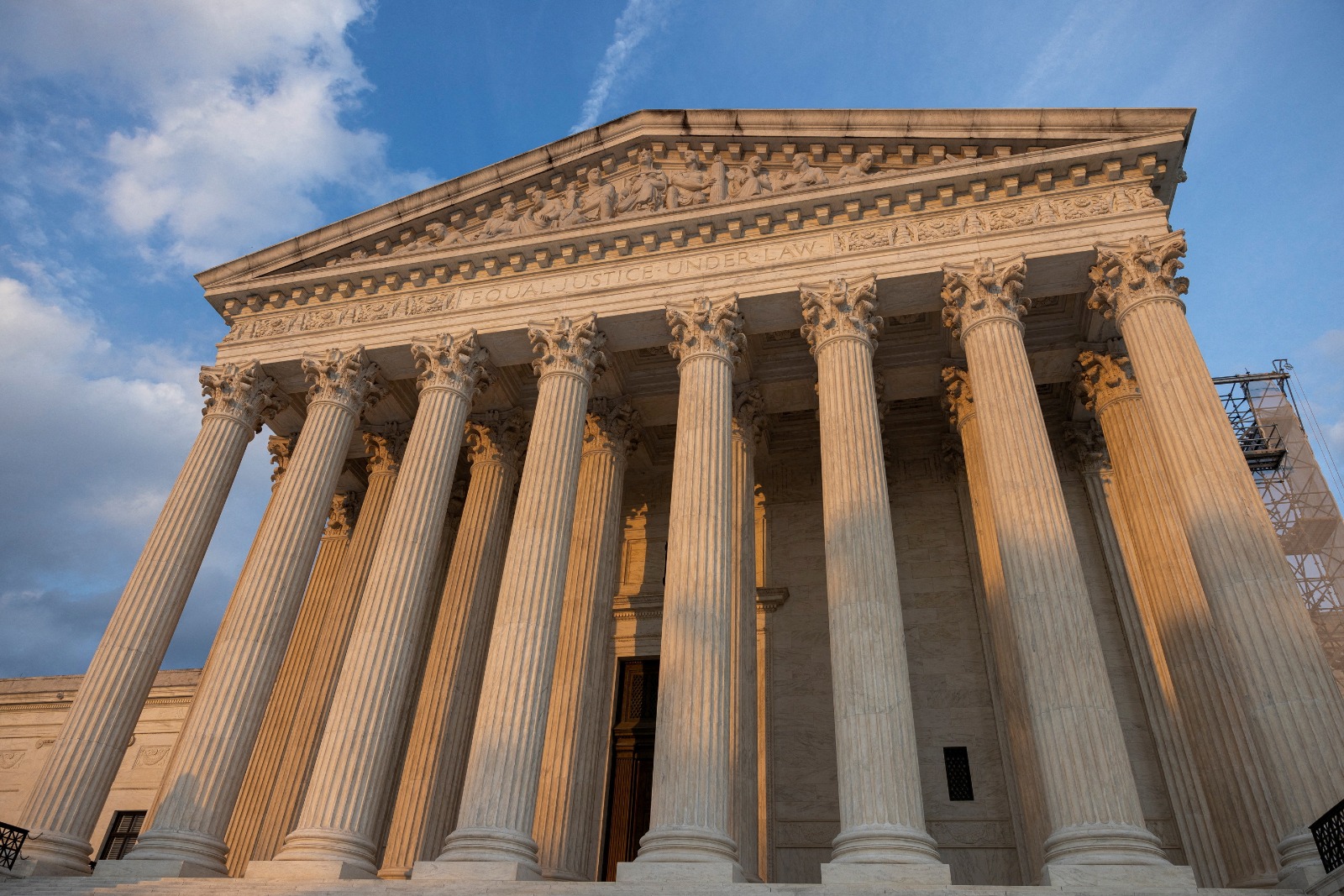
When the Supreme Court decided Trump v. Barbara on June 30, striking down President Trump's executive order and holding that children born here to parents unlawfully or temporarily present are citizens at birth, I recognized the material.
Also Read: SCOTUS ruling upholds birthright citizenship – for now
The opinion’s syllabus reads like my course reading list: Blackstone, Dred Scott, the Civil Rights Act of 1866, and United States v. Wong Kim Ark, the 1898 precedent calling the Citizenship Clause “declaratory” of the common law rule of citizenship by birth. The Court also quoted Senator Lyman Trumbull, the Act’s sponsor, when asked whether his bill would make citizens of Chinese immigrants’ American-born children.
Yes, he said, enthusiastically: “even the infant child of a foreigner born in this land is a citizen.” The Court noted that the words the executive order depended on, like "mother," "father," "lawful," and "temporary," appear nowhere in the Citizenship Clause. As done by Congress in 1866, the Supreme Court has resoundingly affirmed the principle of birthright citizenship now in 2026.
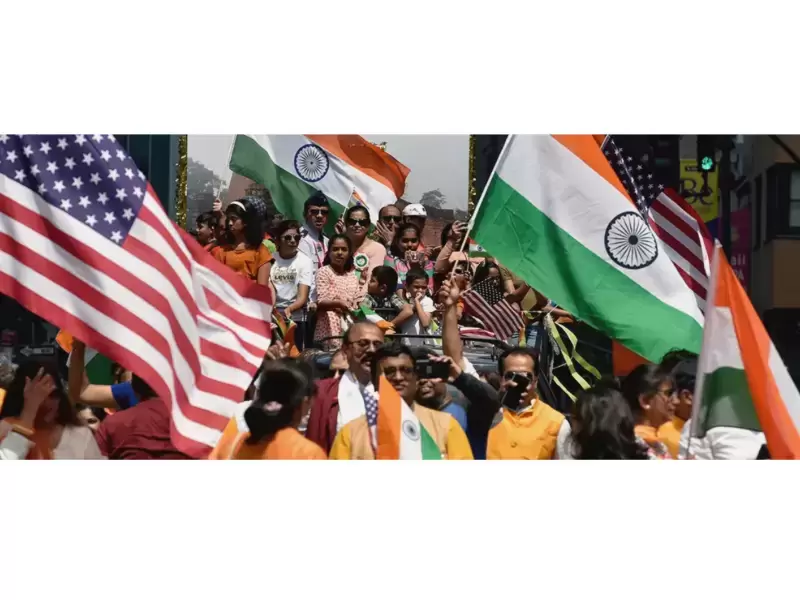
We should pay special attention to the word “temporarily.” The order reached not just children of undocumented parents but children born to parents lawfully here on temporary visas: H-1B workers, students, and their spouses. No community lives inside that word like the Indian American community.
The employment-based green card backlog for Indian nationals now runs past several decades, which means our parents, friends, and neighbors arrive at 25, follow every rule, and retire while still waiting for a green card. We already know what that limbo does to children. Roughly a quarter million documented Dreamers on H-4 visas, raised in America on their parents’ visas, age out at 21 and lose the right to study and work in the only country they know. Birthright citizenship is what spares children born here from that fate, and the executive order would have taken it away.
We have been here before. In 1923, the Supreme Court held that Dr. Bhagat Singh Thind, a Sikh, Berkeley graduate, U.S. Army veteran, and freedom fighter for India, could not become a citizen because he was not a “white person” under the naturalization law. The government then denaturalized dozens of other Indian Americans; many lost their land, and one man took his own life. Writing about Dr. Thind on the case’s centennial, I got to know his son David, who maintains his father's legacy.
Thind regained citizenship in 1936 through a law for veterans, but the rest of the community could not naturalize until the Luce-Celler Act of 1946, won through Indian Americans’ own advocacy. The door opened fully in 1965, when President Johnson signed the Immigration and Nationality Act and ended the national-origins quotas that had kept our families out. I keep a framed picture of that signing in my apartment. It is why my parents could come to this country, and why I was born a citizen of it.
Birthright citizenship is the one door no lawmaker could shut. I have walked through it. It let me run for the Georgia State Senate in 2024 in my hometown of Johns Creek, without needing to ask anyone’s permission. It is why I keep a small American flag and a pocket copy of the Constitution beside my prayer room, and why I can be a practicing Hindu and say, without qualification, that this is my country and my home.
The executive order tried to close that door by fiat.
The Congress of 1866 wrote the Fourteenth Amendment so that no president could. And the Supreme Court in 2026 has reminded us of what we’ve known all along, that this door is core to what makes America who we are.
(The views and opinions expressed in this article are those of the author and do not necessarily reflect the official policy or position of New India Abroad.)
Discover more at New India Abroad.
Leave A Comment
Related


.jpg)


ADVERTISEMENT

ADVERTISEMENT
E Paper
Video

Comments
Start the conversation
Become a member of New India Abroad to start commenting.
Sign Up Now
Already have an account? Login