ADVERTISEMENT

ADVERTISEMENT



Vandi Verma steers NASA’s first-ever Al rover drive on Mars
NASA's Perseverance completed the first-ever drives on Mars on Dec. 8 and 10, 2025.
-
Rwittika Chakraborty
- Tue, 03, Feb 2026
- 03:14 EST
- 16
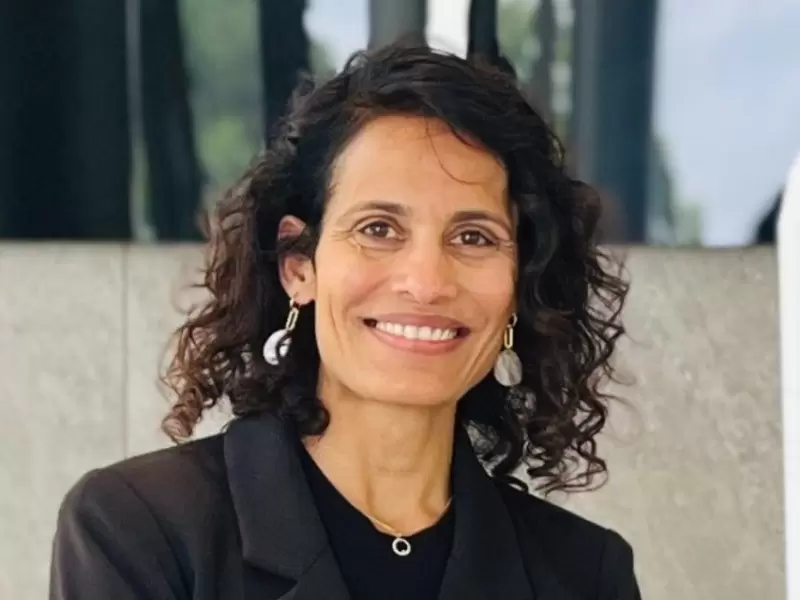 Indian-origin NASA scientist Vandi Verma / LinkedIn/@Vandi Verma
Indian-origin scientist Vandi Verma is one of the key figures behind NASA’s first-ever AI-planned rover drive on Mars that took place in December last year.
NASA's Perseverance completed the first-ever drives on Mars on Dec. 8 and 10, 2025, and the routes were planned by artificial intelligence and not by human rover drivers.
ALSO READ: NASA postpones spacewalk over ‘medical concern’ with astronaut
The demonstration was executed along the rim of Jezero Crater and relied on advanced AI systems to analyse terrain, identify hazards, and generate safe driving waypoints.
This development could significantly bring down the time and effort required to plan rover movements while maintaining the strict safety standards for interplanetary missions, according to NASA.
NASA Administrator Jared Isaacman said that the test was a glimpse into the future of space exploration, and autonomous technologies like generative AI would enable missions to operate more efficiently and respond better to challenging environments as distance from Earth increases.
Born in India, Verma was raised in a family closely linked to aviation, with her father serving in the Indian Air Force.
With frequent changes in location during her childhood, Verma had an early exposure to aircraft and engineering environments, setting an early interest in technology and exploration. She completed her schooling in India, followed by pursuing electrical engineering at Punjab Engineering College in Chandigarh.
Verma later moved to the United States, where she completed both her master's degree and PhD in robotics at Carnegie Mellon University. Her research focused on autonomous systems and fault diagnosis, work that would later prove essential for operating complex machines in remote, high-risk environments such as Mars.
Verma joined NASA's Jet Propulsion Laboratory (JPL) in 2007 and then became part of the Mars rover operations team. She has since worked on multiple flagship missions, including Spirit, Opportunity, Curiosity, and Perseverance, contributing to rover mobility, autonomy software, and surface operations.
On the Perseverance mission, she serves as Chief Engineer for Robotic Operations, overseeing how the rover navigates terrain, avoids hazards, and executes complex command sequences. Her role involves ensuring that new autonomy tools can be safely integrated into real mission operations.
Discover more at New India Abroad.
Related







ADVERTISEMENT

ADVERTISEMENT
E Paper
Video

Comments
Start the conversation
Become a member of New India Abroad to start commenting.
Sign Up Now
Already have an account? Login