ADVERTISEMENT
ADVERTISEMENT



Global citizens: Bridging the US-India corridor
Successful Indian Americans are leveraging their international expertise and networks to establish cultural and business ties that benefit both nations, not just choosing one over the other. New India Abroad spoke to a few of them!
-
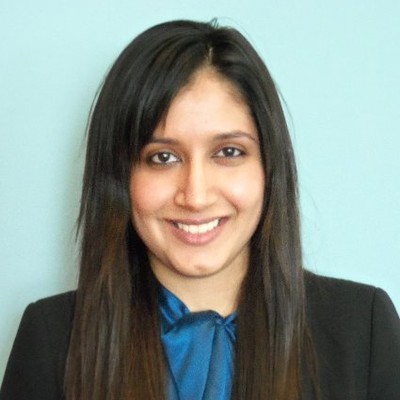 Pallavi Mehra
 - Tue, 02, Dec 2025
- 23:22 EST
- 130
 Devita Saraf, Chairperson and CEO of The Vu Group. / Pallavi Mehra
Today, the Indian American community’s most successful leaders are defining themselves as global citizens, individuals who operate fluently across the United States - India corridor, leveraging their unique bicultural expertise and extensive networks to benefit both nations simultaneously.
This is the power of the hyphenated identity: a mastery of American innovation, efficiency, and scale, combined with a deep, intuitive understanding of India's complexity, talent, and immense market potential. For these successful professionals, who dominate industries from technology and finance to medicine and hospitality, the relationship between Washington and New Delhi is a profound partnership built on mutual advantage.
The Economic Advantage
Undoubtedly, the most visible impact of the Indian American diaspora is in the economic sphere. In Silicon Valley, Indian-origin founders and CEOs have become the global standard-bearers for innovation, and they are consistently re-investing their knowledge and capital back into India's burgeoning ecosystem. This flow is collaborative, strengthening the interconnectedness of both economies.
For leaders in the technology and venture capital space, the goal is to build companies that inherently think globally, tapping into the skilled talent pool in both markets.
“The Saraf family has been based between California and India since the 1970s. My dad and his older brother were amongst the first to bring Integrated Chips to India. Then, I studied in LA for my undergrad and started Vu here,” mentions Devita Saraf, Chairperson and CEO of The Vu Group, who splits her time between Indian and the United States. “Being a global CEO means building a global work culture in your own business. It is easy to travel and call yourself a global player, but unless your employees operate in a way that is truly global, you will just be playing a double role in cultures. If the Vu Televisions Mumbai office were transported to Melbourne or Miami, they would seamlessly blend in that culture and I take personal pride in building a company based on equality, opportunity, meritocracy and true secularism.”
Policy, Diplomacy, and Cultural Fluency
In addition to corporate boardrooms, the hyphenated generation is making its presence felt in policy and diplomacy, using their intimate knowledge to ensure a stable and prosperous strategic relationship. The Indian American community has rapidly emerged as a politically significant force, shaping conversations around everything from defense cooperation to immigration policy.
“Operating fluently in the culture of both countries gives us a diplomatic advantage," explains Divya M., advisor at the United Nations, who splits her time between India and the United States. “People like me understand the nuances, the unspoken rules, of both Washington and New Delhi, making us effective advocates for a shared future, not just a one-way street of benefits. We can talk about shared values like democracy and pluralism in a way that resonates on both continents.”
This engagement is also cultural. By maintaining strong personal ties through travel, philanthropy, and community initiatives, Indian Americans ensure that the cultural bridge remains robust.
Therefore, the global citizens of the United States-India corridor are setting a new standard for diaspora influence. They are not just immigrants who settled in one place. They are transnational players building a complex, resilient partnership. By leveraging their dual expertise, network, and heritage, they are proving that loyalty to a homeland and successful integration into a new country are not mutually exclusive, they are, in fact, complementary for global progress.
Leave A Comment
Related




ADVERTISEMENT

ADVERTISEMENT
E Paper
Video

Comments
Start the conversation
Become a member of New India Abroad to start commenting.
Sign Up Now
Already have an account? Login