ADVERTISEMENT
ADVERTISEMENT



From Washington DC to Pune: How CIPU is rewriting the Future of Indian Higher Education
CIPU's core mission is deeply aligned with the transformative blueprint of the National Education Policy (NEP) 2020.
-
 S. Raju
 - Fri, 03, Jul 2026
- 18:21 EDT
- 32
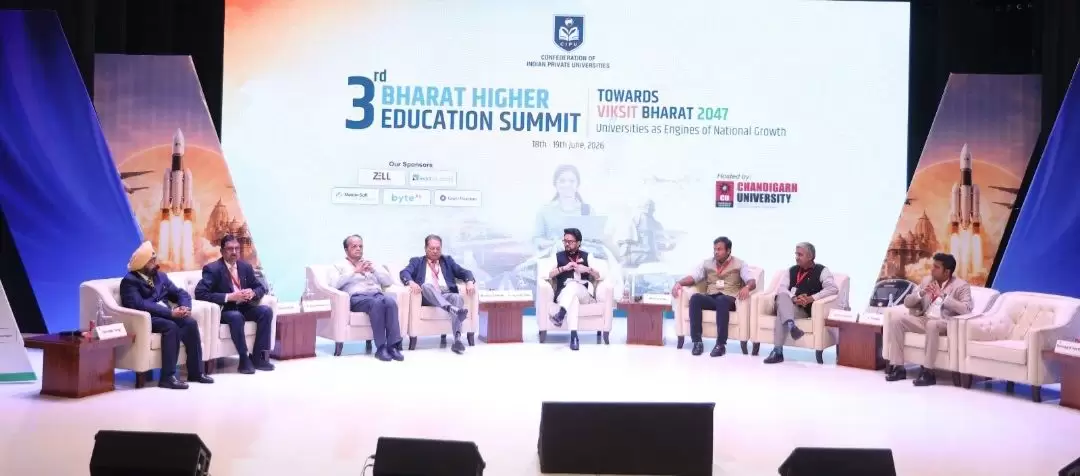
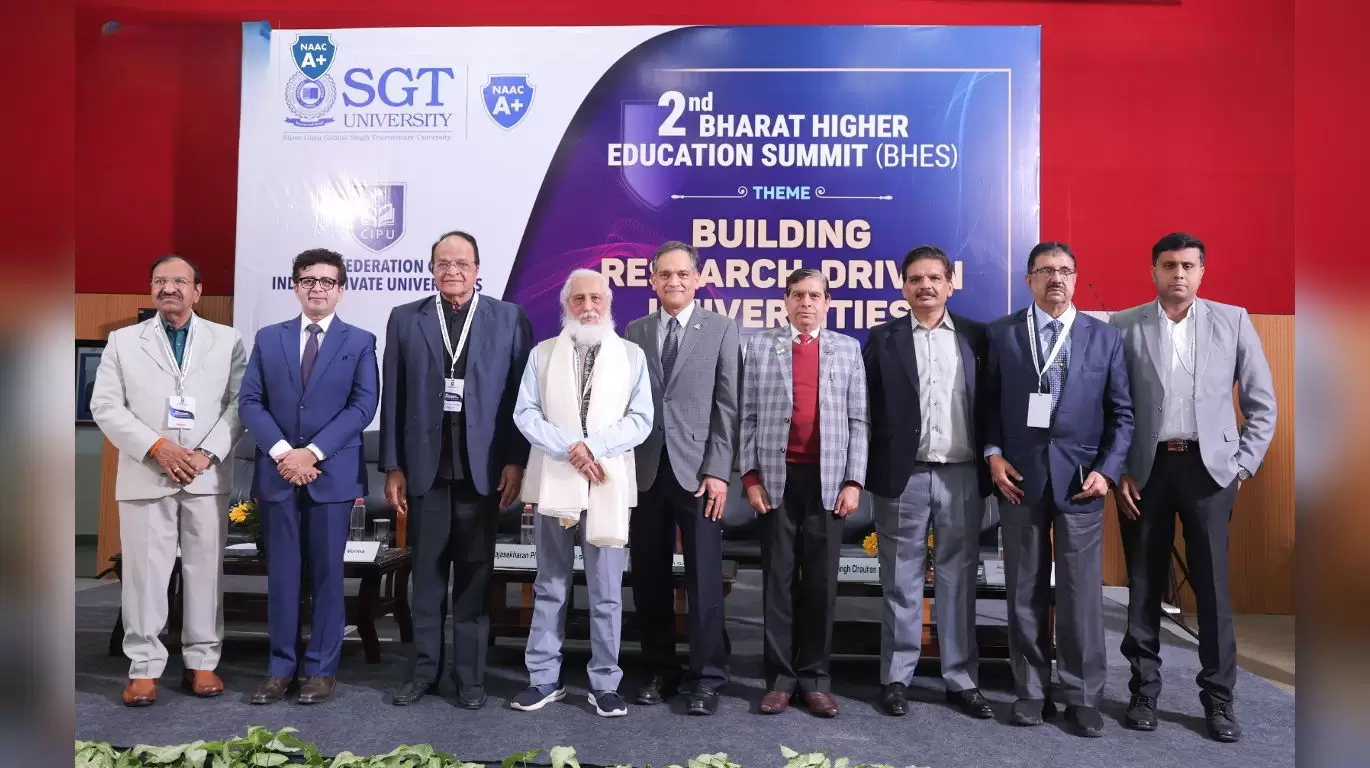
 Glimpse of Bharat Higher Education summit / Handout
In a country where over 40 million students navigate the vast landscape of higher education, a quiet but powerful revolution is underway — and it began not on Indian soil, but over a conference table in Washington DC.
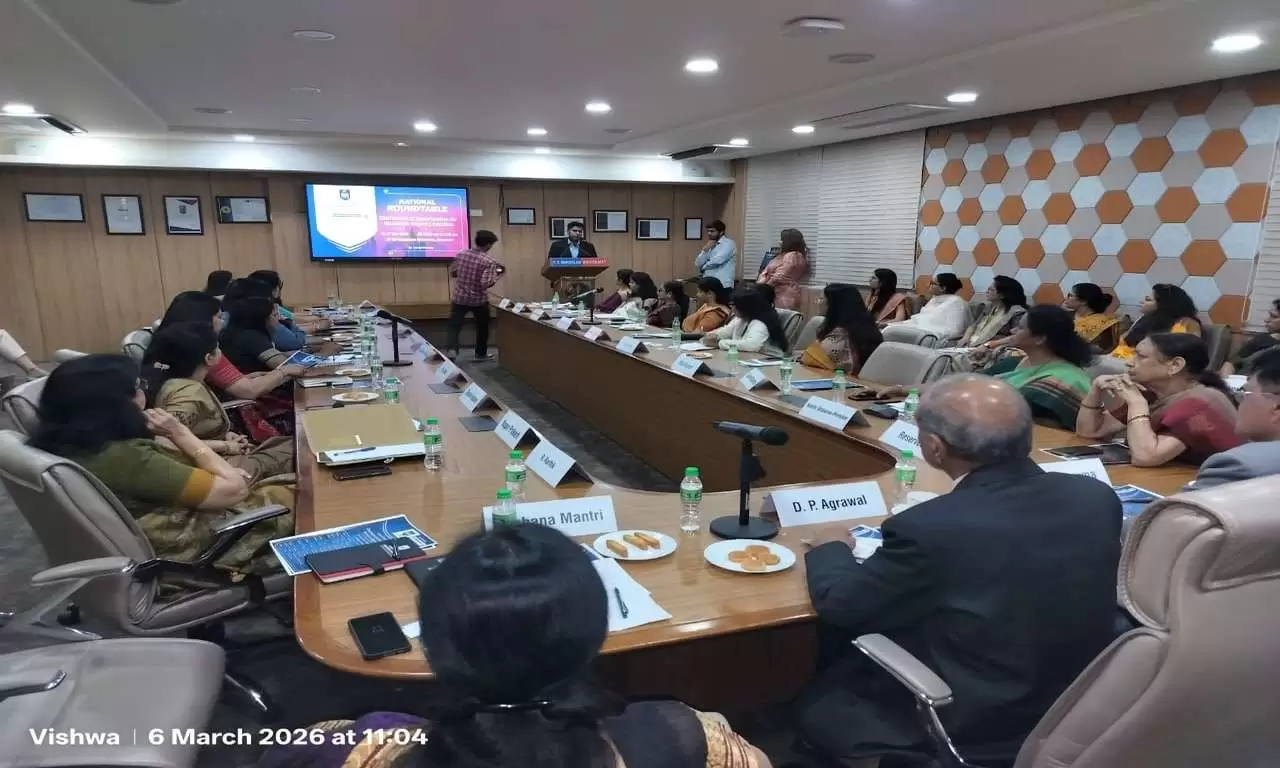
It was early 2022 when more than 25 American and 30 Indian thought leaders, including academicians, policymakers and education strategists, gathered in the US capital for a Visioning Workshop. The room was charged with a singular conviction: that India's private universities — often dismissed as second-tier — could become the engine of a global knowledge renaissance.
What started as an intellectual dialogue soon found its organisational feet. By January 2023, over 70 leading private universities convened in Pune, India, signing the landmark Pune Declaration on Higher Education and formally giving birth to the Confederation of Indian Private Universities (CIPU) .
From that founding moment in Pune, CIPU has grown into the definitive national voice of India's private higher education ecosystem — a not-for-profit, mission-driven confederation that today boasts over 100 member universities across the country. Its vision is audacious but clear: reposition India as the knowledge capital of the world and re-establish its ancient credentials as a Vishwa Guru for the 21st century.
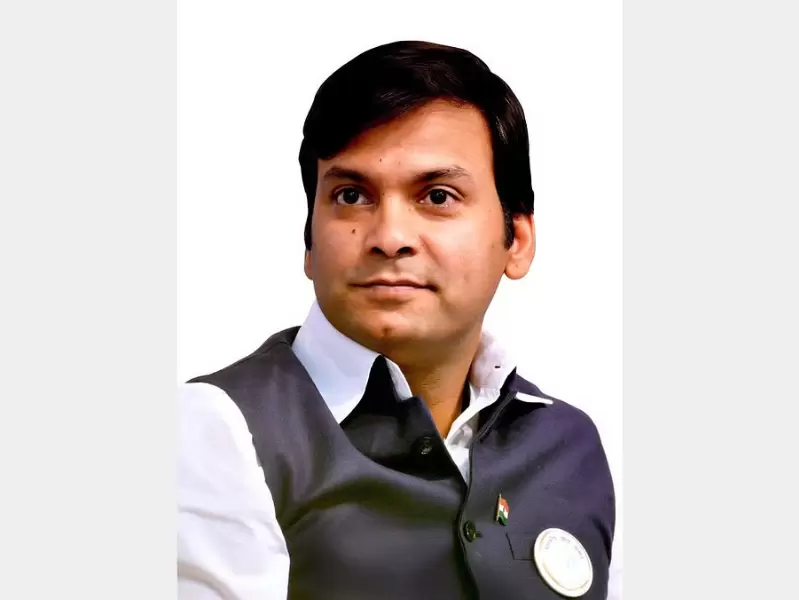 Dr. Rahul V. Karad, Founder & Chief Patron of CIPU and Executive President of MIT World Peace University, Pune (India) / Handout
A Platform for Transformation
CIPU's core mission is deeply aligned with the transformative blueprint of the National Education Policy (NEP) 2020. Rather than operating through competition, the Confederation champions collaboration — among universities, industry, government, and international partners — as the defining force behind India's higher education transformation.
Its strategic pillars span the entire arc of academic excellence: interdisciplinary research and innovation, technology transfer and startup incubation, digital transformation and future skills, faculty development through its Faculty Continuous Professional Development (FCPD) Initiative, sustainability and social responsibility aligned with the UN Sustainable Development Goals, and advocacy for evidence-based policy reforms that promote institutional autonomy and quality assurance.
Bharat Higher Education Summit — A Landmark Feat
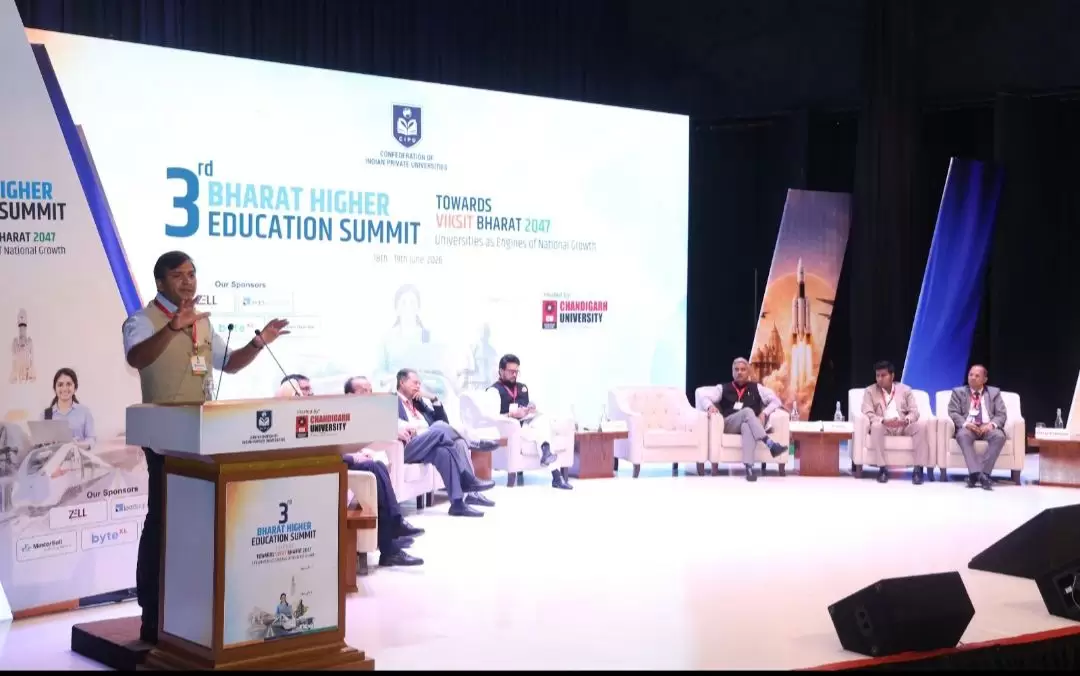
Among CIPU's most significant milestones has been the Bharat Higher Education Summit, a flagship platform that has rapidly become the premier congregation of India's academic leadership. The 3rd edition of the summit was recently concluded at Chandigarh University in Punjab, drawing Vice Chancellors, policymakers, industry captains, diplomats, and international education experts from across the globe.
The summit served as a crucible for high-level deliberations on the future of universities, internationalisation, artificial intelligence and emerging technologies, research ecosystems, employability, and the roadmap towards making India a developed nation — Viksit Bharat — by 2047.
Knitting Knowledge Across the World
In an increasingly interconnected world, CIPU has recognised that Indian students must not remain siloed. In a pioneering move to bridge continents and curricula, the Confederation has launched two landmark initiatives — the India-Brazil Education Corridor and the India-Portugal Education Corridor.
These corridors are designed to knit knowledge from across the world onto a single platform, enabling student mobility, joint research, faculty exchanges, dual-degree programmes, and cross-cultural learning. The corridors represent a bold step towards globalising Indian higher education at a time when the world is looking for new academic partnerships beyond traditional Western hubs.
Voices from the Helm
Dr. Rahul V. Karad, founder & chief patron of CIPU and Executive President of MIT World Peace University, Pune, captured the spirit of the initiative when he said, "The National Education Policy 2020 has provided India with a transformative blueprint for creating a globally respected higher education system. CIPU was established with the conviction that collaboration — not competition — will be the defining force behind this transformation. By bringing together visionary institutions, policymakers, industry, and global partners, we aspire to build universities that nurture innovation, advance research, uphold Indian values, and prepare future-ready global citizens."
R. Karthik, director general of CIPU, echoed this vision with a forward-looking call to action, "Private universities have become indispensable partners in India's higher education transformation. At CIPU, we are building a collaborative ecosystem that empowers institutions to implement the vision of NEP 2020, embrace innovation, strengthen global engagement, and contribute meaningfully to the nation's aspiration of becoming a Viksit Bharat by 2047. Our collective success will be measured not only by institutional excellence, but by the impact our universities create for society and the world."
The Road Ahead
With over 4 crore students enrolled in higher education and the private university sector expanding at an unprecedented pace, CIPU's role as a unifying force has never been more critical. The Confederation is actively working to ensure that India's private universities are recognised not merely for their scale, but for their academic excellence, research contributions, technological innovation, entrepreneurial spirit, and societal impact.
As CIPU accelerates its global outreach through education corridors, policy advocacy, and its rapidly growing membership, one thing is clear: the conversation that began in a Washington DC meeting room in 2022 has evolved into a full-fledged movement — and Indian higher education may never look the same again.
Discover more at New India Abroad.
Leave A Comment
Related






.jpg)

ADVERTISEMENT

ADVERTISEMENT
E Paper
Video

Comments
Start the conversation
Become a member of New India Abroad to start commenting.
Sign Up Now
Already have an account? Login