ADVERTISEMENT

ADVERTISEMENT



For George Abraham, every election is a homecoming
After nearly six decades abroad, the Indian American diaspora leader continues to travel home for every election, calling it a duty to democracy.
-
1759953093.png) Staff Reporter
Staff Reporter - Thu, 09, Apr 2026
- 13:52 EDT
- 18
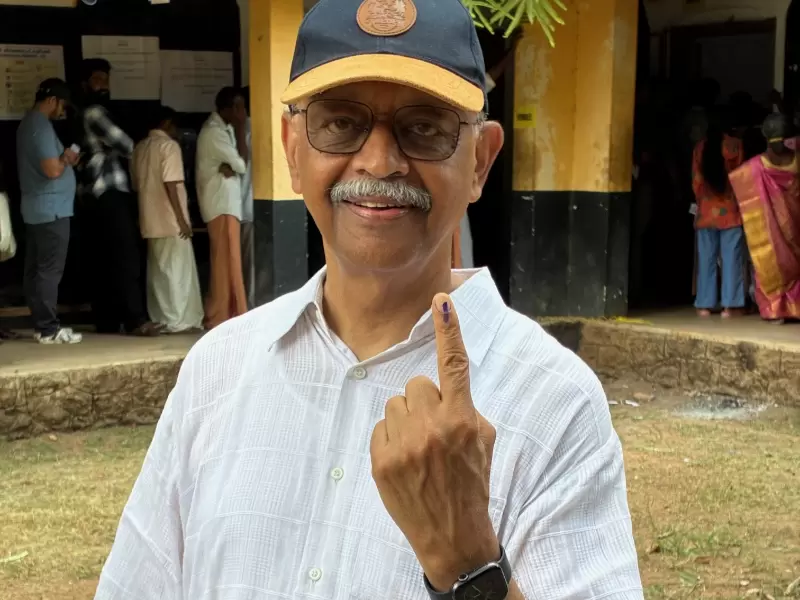 George Abraham / IOC USA
For George Abraham, voting in India is not something done from afar. It is a journey he makes in person, time and again.
The Indian American community leader recently traveled back to Changannur in Kerala to cast his vote in the Assembly elections, continuing a long-standing personal tradition. For Abraham, the act goes beyond civic participation. It is tied to identity, memory, and a deep emotional connection to his homeland.
“It is a sentiment for my motherland and a passion for the very idea of India.” He adds, with a note of introspection, “I often wonder why people like me had to leave this incredible land, so rich in natural beauty and heritage, to build lives elsewhere.”
Having just cast his vote, he remarked, “I have exercised my democratic right, and I hope this small act contributes to keeping the spirit of democracy alive.”
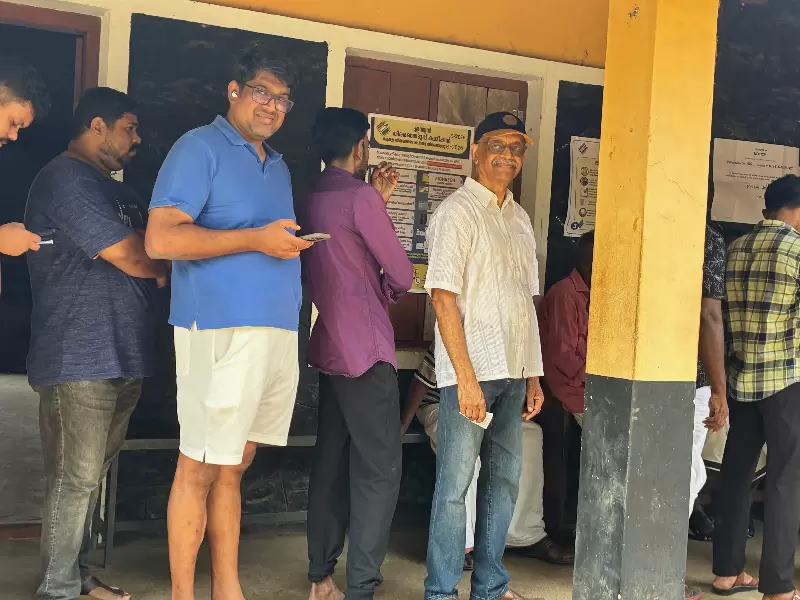 Abraham at the polling booth. / IOC USA
Abraham has spent 58 years living outside India, primarily in the United States, following a 36-year career with the United Nations. He retired as chief technology officer of the United Nations Pension Fund, capping a distinguished global career. Yet, despite decades overseas, his engagement with India’s political life has remained consistent.
That commitment is reflected in his role in building diaspora political networks. In 1998, he co-founded the Indian Overseas Congress in the United States along with John Philipose Thengumcherry, at a time when there was no formal global platform for Congress supporters abroad. The initiative later gained momentum and recognition, evolving into a network that now spans more than 30 countries under the leadership of Sam Pitroda.
Abraham currently serves as vice-chairman of IOC USA and coordinates its IT and social media efforts globally. His decades of involvement were recognized in 2023 when Rahul Gandhi presented him with a Lifetime Achievement Award during a visit to New York.
His engagement with public life, however, began much earlier. As a teenager, Abraham was active in youth organizing in Kerala and credits his early mentors for shaping his political outlook.
Beyond individual participation, Abraham sees a broader responsibility for the Indian diaspora. He argues that Indians living abroad must remain invested in the country’s democratic and secular values.
“It is essential that we uphold the democratic and secular fabric of India,” he said, warning that without it, the global Indian community would lose moral authority when advocating for justice and equality worldwide.
For Abraham, the journey back to Kerala is not just about casting a vote. It is about staying connected to a system he believes in, and reaffirming a lifelong commitment to India’s democratic process.
Discover more at New India Abroad.
Related



ADVERTISEMENT

ADVERTISEMENT
E Paper
Video

Comments
Start the conversation
Become a member of New India Abroad to start commenting.
Sign Up Now
Already have an account? Login