ADVERTISEMENT
ADVERTISEMENT


Vivek Wadhwa calls for end of H-1B visa program
Wadhwa says the US should replace the system with a new skilled-immigration framework focused on talent, innovation and job creation.
-
 Malvika Choudhary
 - Sun, 23, Aug 2026
- 12:11 EDT
- 54
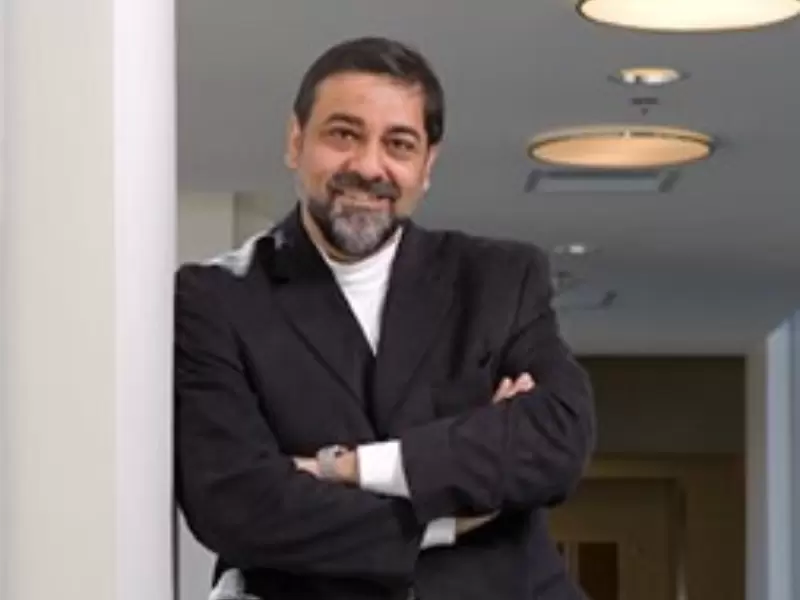 Vivek Wadhwa / uscis.gov
Indian American investor and technology entrepreneur Vivek Wadhwa called for an end to the H-1B visa program, saying the system has become too flawed to fix.
“It is time to declare the end of the H-1B era,” Wadhwa wrote in a post on X.
Also Read: Trump immigration hurting US innovation says expert
Wadhwa acknowledged that H-1B visas played an important role in helping the United States become a global leader in technology and innovation. But he argued that the program has since become “badly corrupted,” citing what he described as the ability of “unethical body shops” to exploit the system.
It is time to declare the end of the H-1B era.
— Vivek Wadhwa (@wadhwa) August 22, 2026
These visas played a very important role in making America the world leader in technology and innovation. But the system became badly corrupted. Unethical body shops learned to game it. Green-card backlogs stretched from years into… https://t.co/YWKnXt1bzY
He also pointed to lengthy employment-based green-card backlogs, saying they have stretched from years into decades and left highly skilled immigrants in prolonged immigration limbo. According to Wadhwa, the uncertainty can effectively tie workers to their employers because changing jobs could jeopardize years of waiting for permanent residency.
Wadhwa also criticized the political debate surrounding the program, citing what he called “ugly politics, xenophobia, and race-baiting.” He argued that the system has reached a point where reforming individual aspects of it is no longer sufficient.
“Congress should end H-1B and design a new skilled-immigration system for the future,” Wadhwa wrote.
Under his proposed approach, the United States would continue competing for highly skilled immigrants but would focus on scientists, engineers, entrepreneurs, researchers and other professionals who can contribute to US innovation and competitiveness. He said the new system should also prevent labor arbitrage and other forms of abuse.
Wadhwa acknowledged concerns about the effect of the H-1B program on American workers.
“Yes, many Americans were disadvantaged by the H-1B and we must admit this,” he wrote, describing the visa as a “flawed” system that needs to be rethought.
He rejected the characterization of opposition to H-1B abuse as anti-Indian sentiment, writing, “Americans don’t hate Indians and they are not racists.” Wadhwa argued that criticism should instead focus on the misuse of a system intended to benefit the US economy.
Wadhwa said the United States should continue to compete aggressively for global talent but argued that highly skilled immigrants should have greater freedom and stability once they arrive.
He also called for a “real startup visa” that would allow employment-generating companies to come to the United States. Such a system, he argued, should attract entrepreneurs who build companies and create jobs rather than workers who could displace older American workers.
Wadhwa said a reset of the system could also benefit India. If more highly skilled Indians remained in the country, he argued, they could build companies, create jobs and strengthen India's innovation ecosystem.
“There would be an unexpected winner from such a reset: countries such as India,” Wadhwa wrote.
“The H-1B program served America well for decades but it really is time to move on,” he added.
Wadhwa's comments come as the Trump administration has also moved to reshape how H-1B visas are allocated.
Beginning with the FY2027 registration period, the Department of Homeland Security replaced the traditional equal-weight lottery with a wage-weighted selection process. Under the new system, registrations corresponding to higher wage levels receive more entries in the selection pool: four for Level IV, three for Level III, two for Level II and one for Level I.
The change does not eliminate the H-1B program but alters the selection process to give higher-paid positions a greater chance of being selected.
Discover more at New India Abroad.
Leave A Comment
Related





ADVERTISEMENT

ADVERTISEMENT
E Paper
Video

Comments
Start the conversation
Become a member of New India Abroad to start commenting.
Sign Up Now
Already have an account? Login