ADVERTISEMENT
ADVERTISEMENT



U.S. Lawmaker, experts seek India sanctions over alleged transnational repression
The congressional briefing highlighted concerns over alleged overseas intimidation and called for a coordinated federal response
-
1759953093.png) Staff Reporter
Staff Reporter - Thu, 16, Jul 2026
- 18:08 EDT
- 31
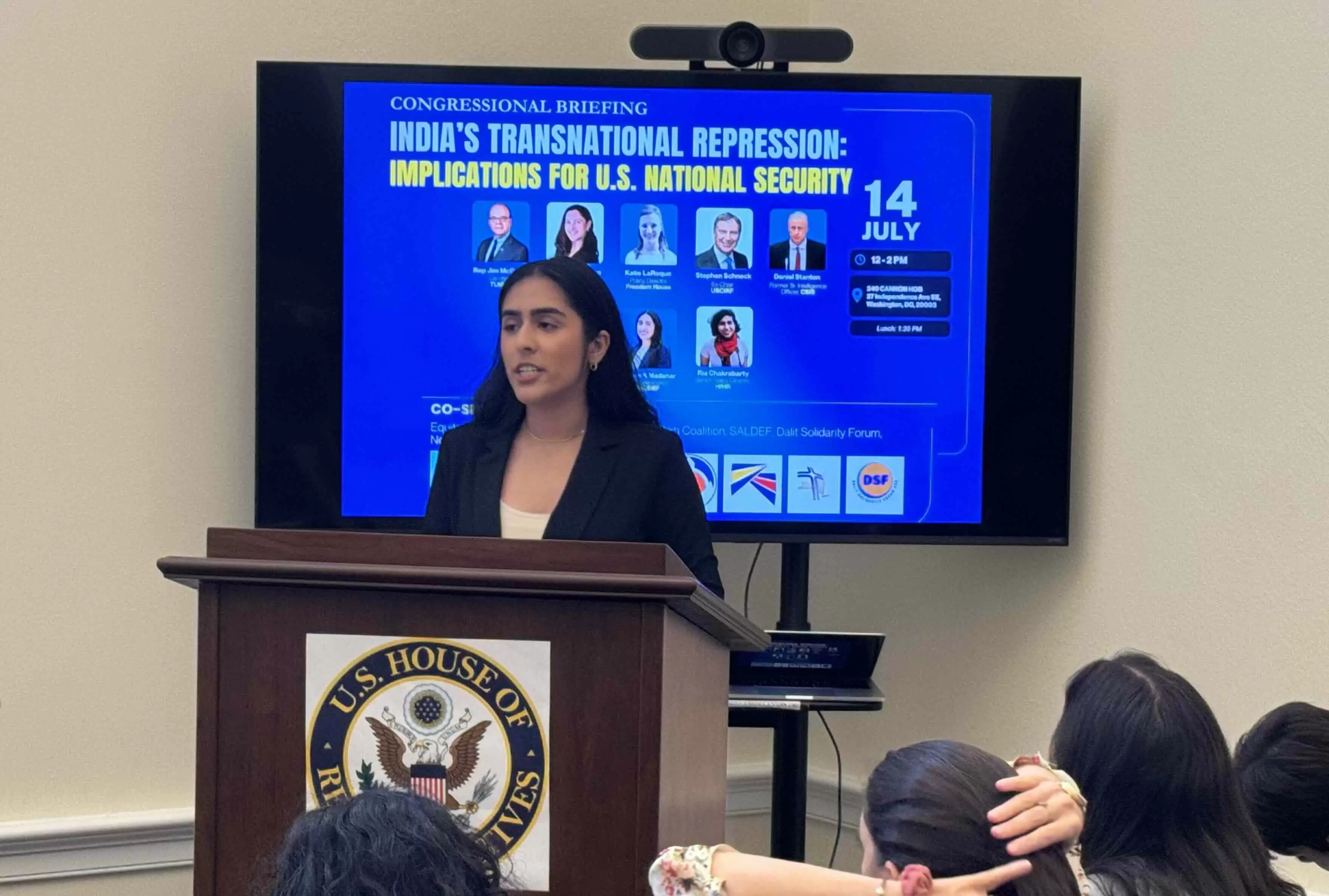
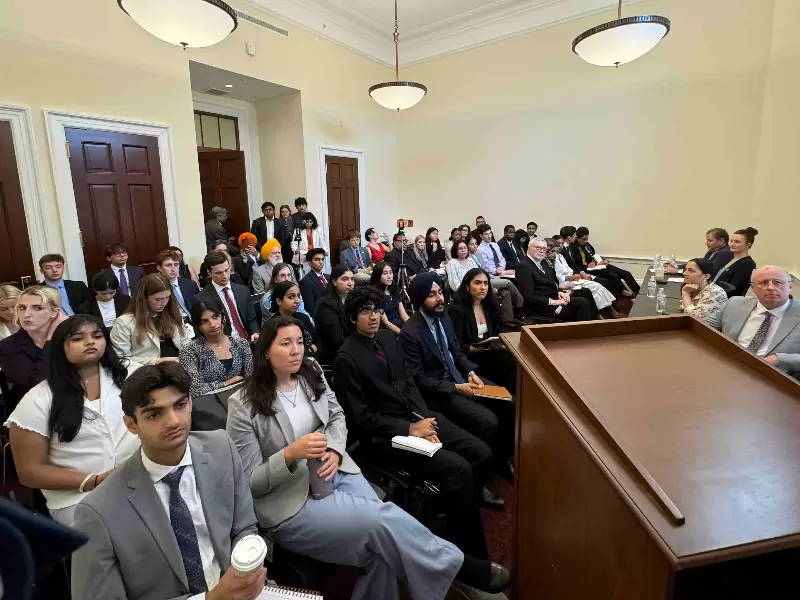 Attendees of the briefing / Equitas Forum USA
A U.S. lawmaker and several experts called on Congress and the administration to strengthen the country's response to what they described as India's campaign of transnational repression during a July 14 congressional briefing.
The briefing titled "India's Transnational Repression: Implications for U.S. National Security" held at the Cannon House Office Building, was organised by Equitas Forum USA in partnership with Hindus for Human Rights, the Sikh Coalition, the Sikh American Legal Defense and Education Fund (SALDEF), the New York State Council of Churches and the Dalit Solidarity Forum, with support from the office of Congresswoman Summer Lee.
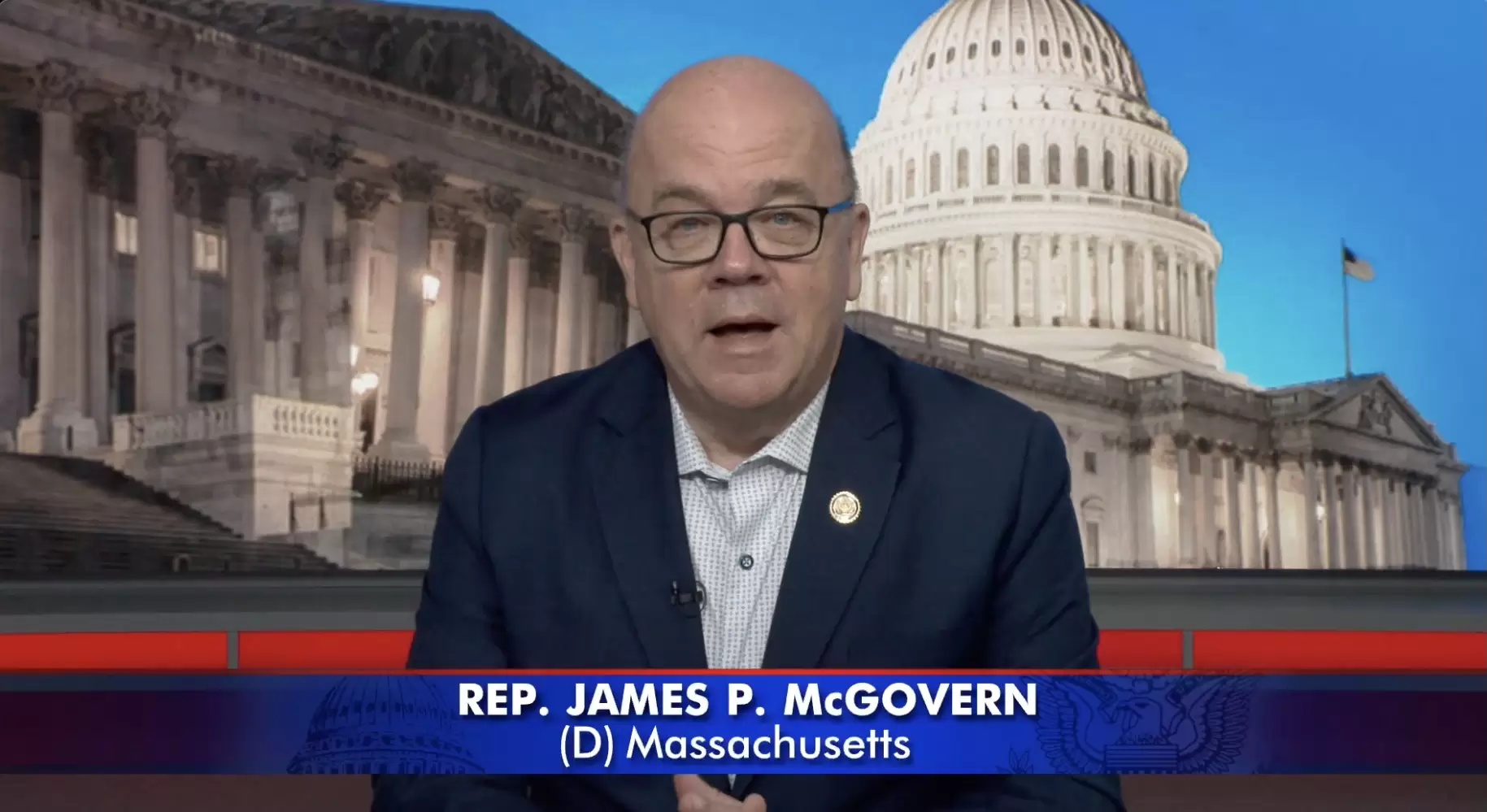
In recorded remarks, Congressman Jim McGovern, co-chair of the Tom Lantos Human Rights Commission, called India a repeated perpetrator of transnational repression and urged Secretary of State Marco Rubio to review India's eligibility for U.S. arms sales under the Arms Export Control Act.
Also read: Former Biden adviser says Trump's policies are pushing U.S. allies away
He also called for passage of the bipartisan Transnational Repression Policy Act, stating, “More must be done to ensure that no person in this country lives in fear of a foreign government’s threats.”
Former Canadian Security Intelligence Service officer Daniel Stanton warned that hostile states increasingly use organized criminal networks to intimidate diaspora communities and said transnational repression should be recognized as a pattern rather than isolated incidents.
“Transnational repression must be recognized early as a pattern, not as a series of isolated incidents,” Stanton added. “My hope is that Canada’s experience serves as an early warning rather than a preview of what the United States could face.”
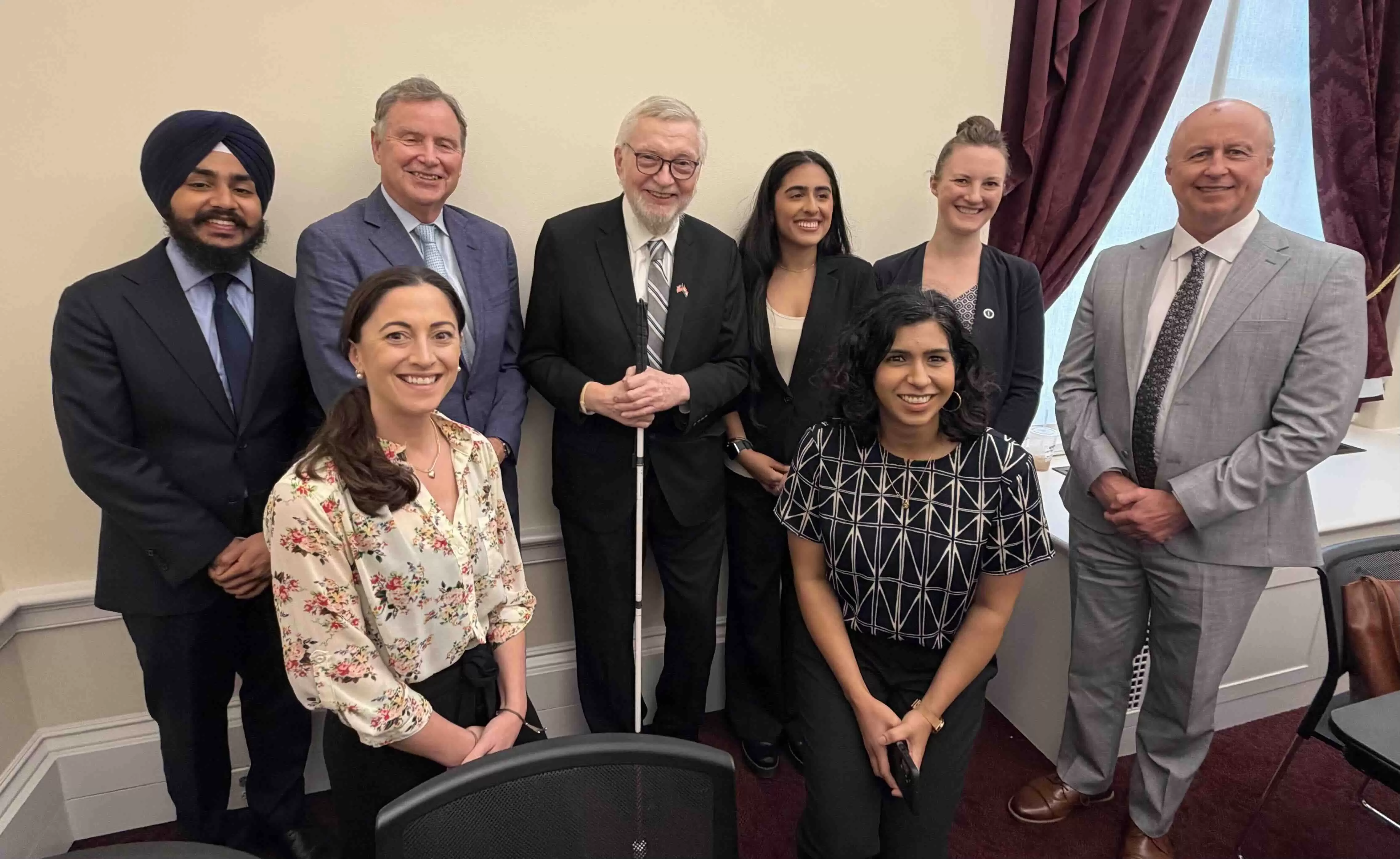
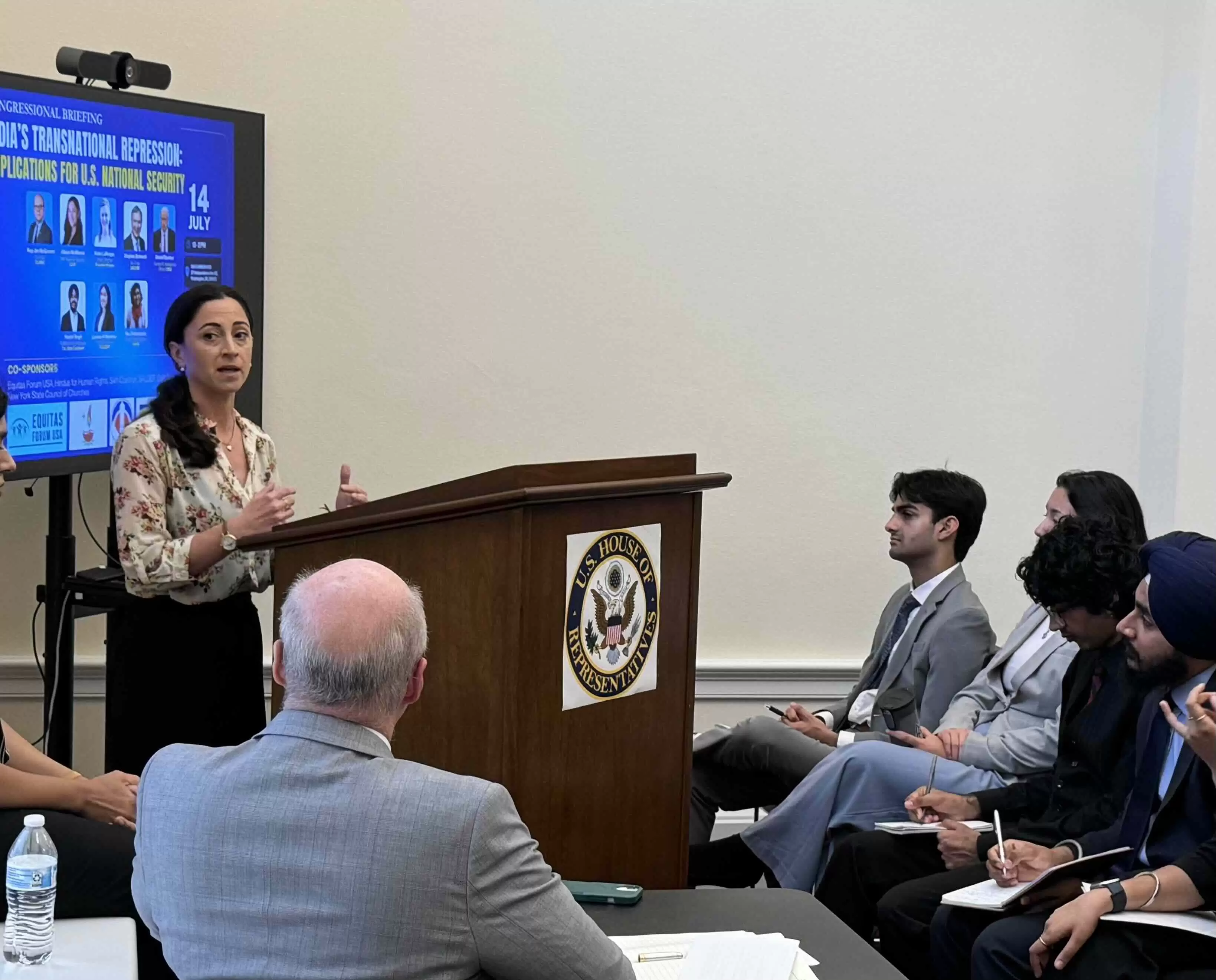
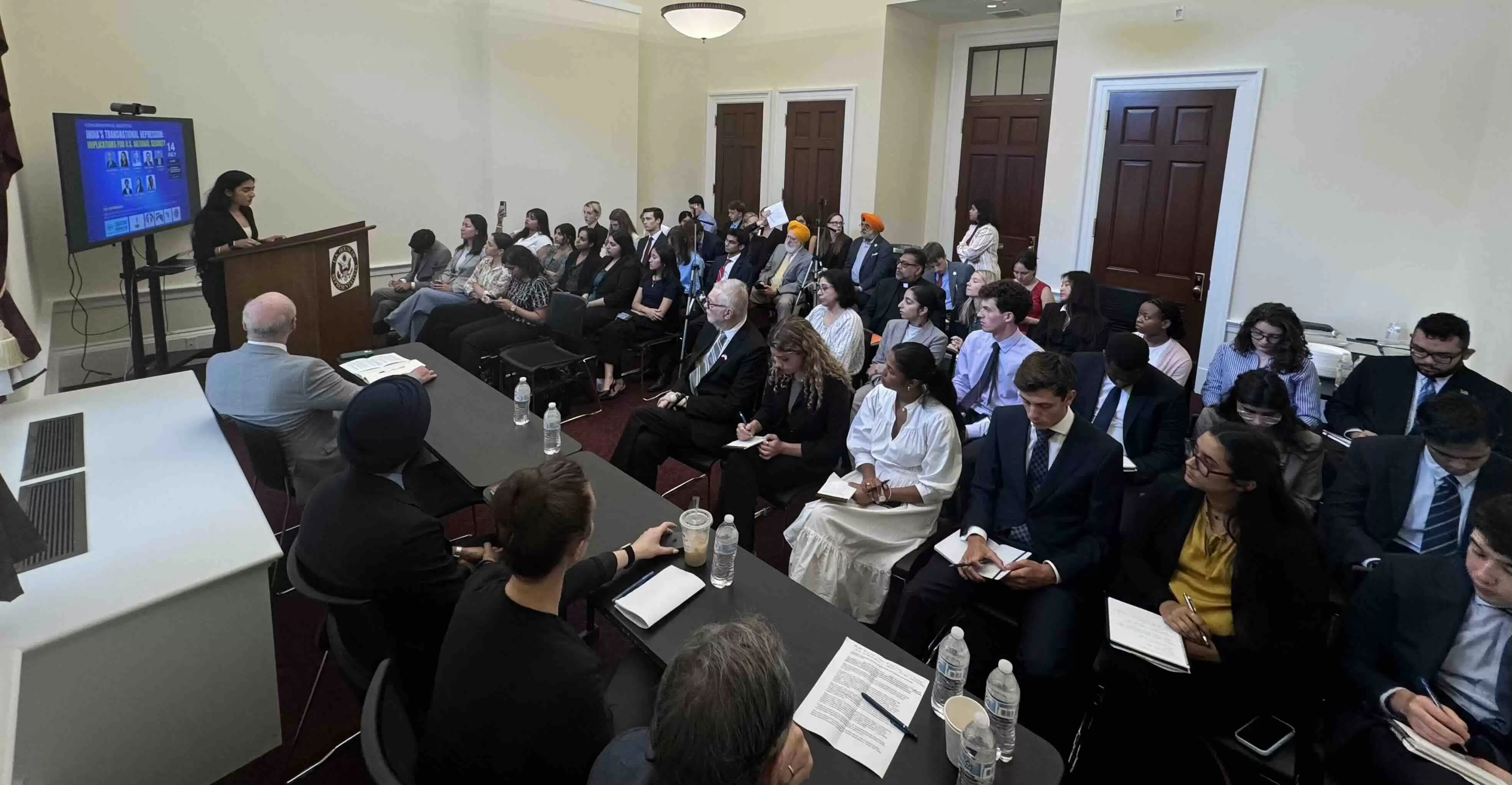
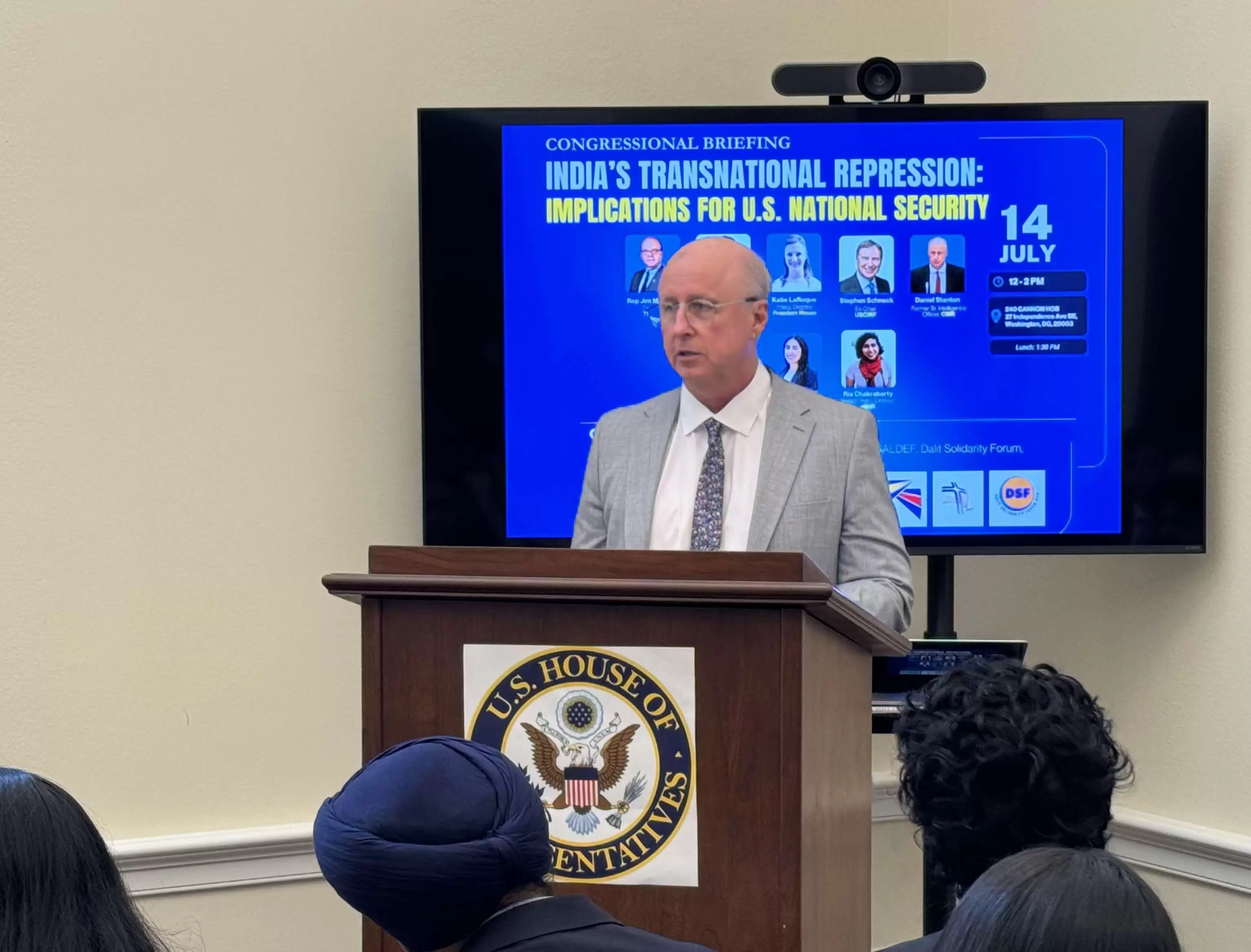
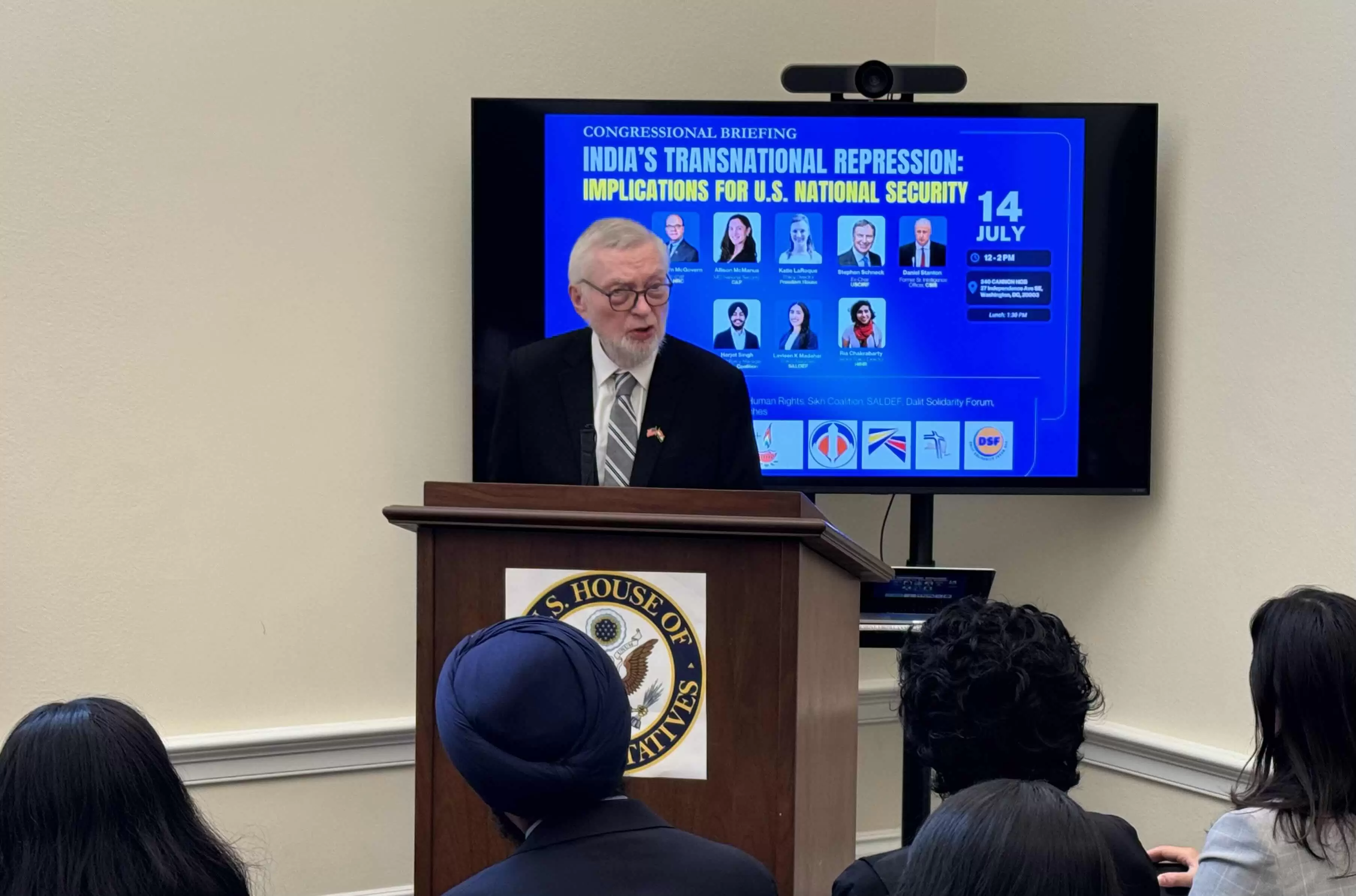
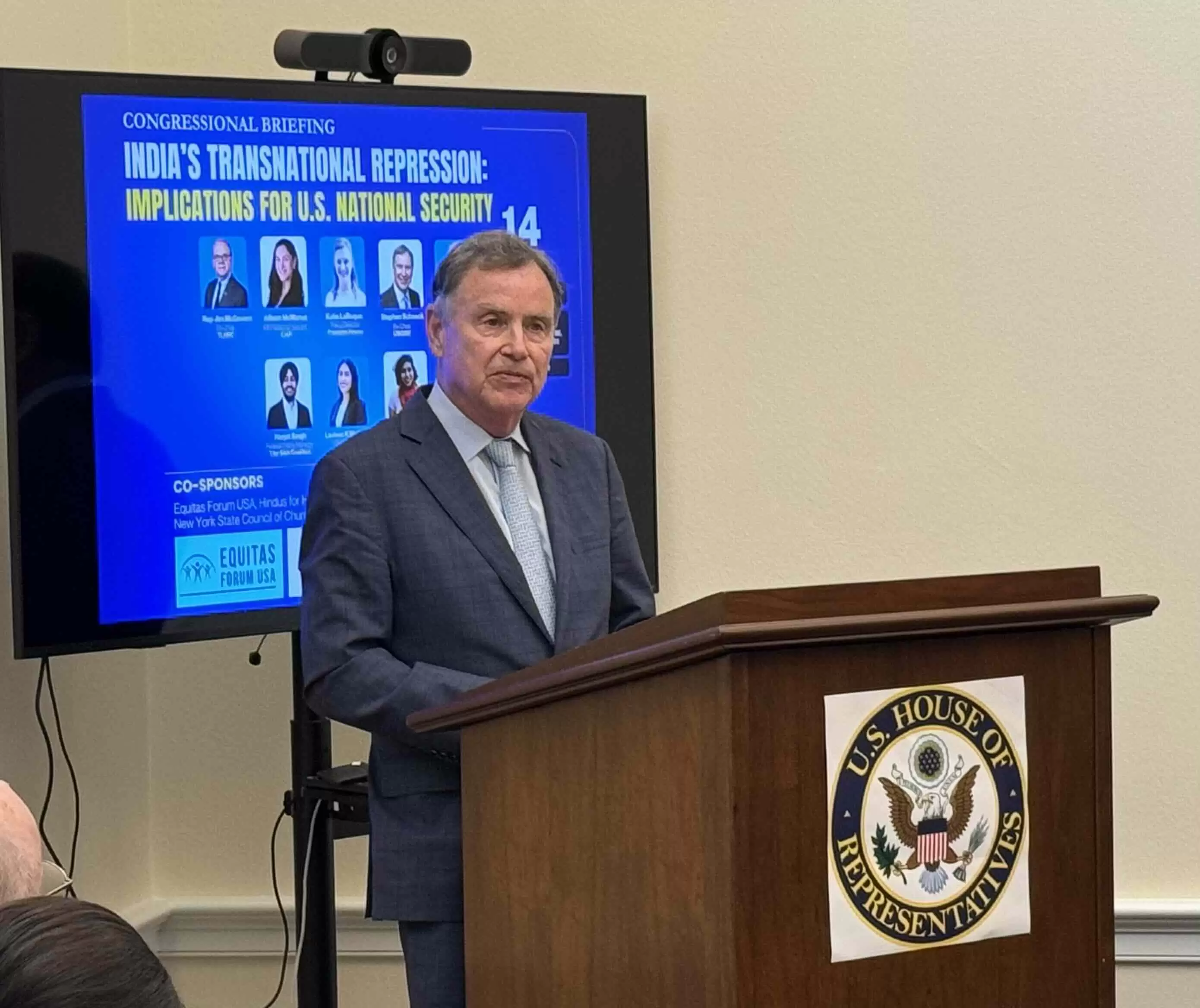
Former U.S. Commission on International Religious Freedom Chair Stephen Schneck described the alleged activities as "a sustained working operation" and urged the administration to act on USCIRF recommendations, including targeted sanctions and protecting prosecutions from diplomatic pressure.
“When foreign intelligence officers are credibly tied to [a] murder-for-hire plot on American soil, we need cases against those perpetrators to continue quickly regardless of what is happening at the level of bilateral relations,” he said, referring to the charges leveled against an Indian government official in connection to a foiled 2023 plot to assassinate Khalistani activist Gurpatwant Singh Pannun.
Other speakers, including Allison McManus of the Center for American Progress, Katie LaRoque of Freedom House, representatives of the Sikh Coalition and SALDEF, and New York State Council of Churches leader Gary Van Kennel, called for a legal definition of transnational repression, stronger law enforcement coordination, targeted sanctions, visa restrictions and investigations into the alleged use of diplomatic missions and criminal proxies.
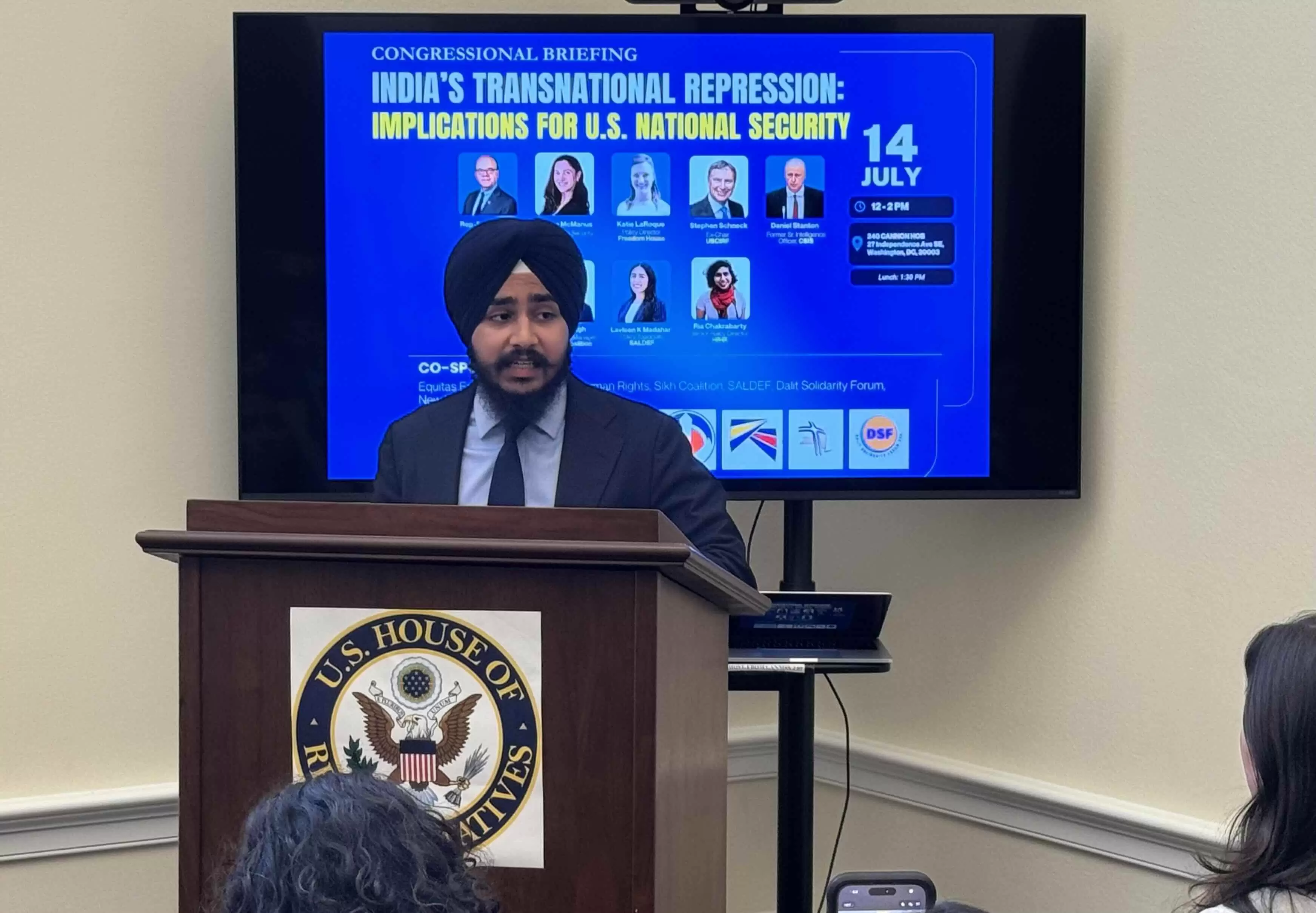
Harjot Singh, federal policy manager at the Sikh Coalition, said the danger went beyond individual targets. “Transnational repression is not merely an attack on individual communities, it is an attack on U.S. sovereignty, fundamental civil liberties, and the safety of all who call America home.”
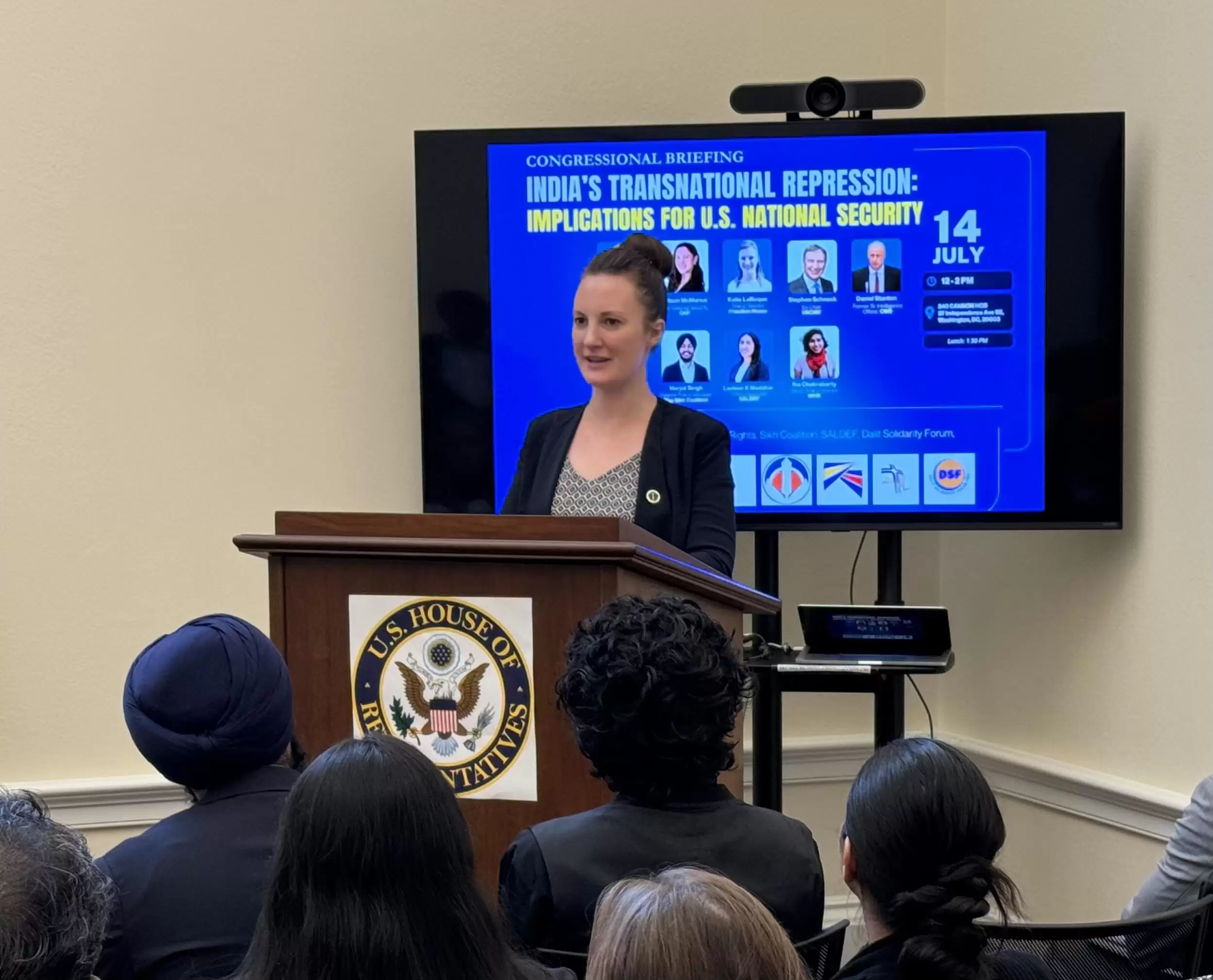
“When a foreign government seeks to threaten, surveil, intimidate, or even kill individuals living in the U.S., that government threatens the U.S. in every conceivable way,” said Ria Chakrabarty, senior policy director at Hindus for Human Rights, who moderated the briefing.
The briefing concluded with these major recommendations: defining transnational repression in U.S. law and passing the Transnational Repression Policy Act; imposing targeted sanctions and visa restrictions on those credibly implicated; reviewing India's eligibility for U.S. arms sales under the Arms Export Control Act;
Additionally, the speakers urged the administration to strengthen investigations, support affected communities and coordinate enforcement efforts with allied democracies.
Discover more at New India Abroad.
Leave A Comment
Related




ADVERTISEMENT

ADVERTISEMENT
E Paper
Video

Comments
Start the conversation
Become a member of New India Abroad to start commenting.
Sign Up Now
Already have an account? Login