ADVERTISEMENT
ADVERTISEMENT



Time to Rebuild
We can be a community that cannot be sidelined, provided we choose to engage with it in a focused and efficient way.
-
 Kapil Sharma
 - Sat, 04, Jul 2026
- 14:05 EDT
- 57
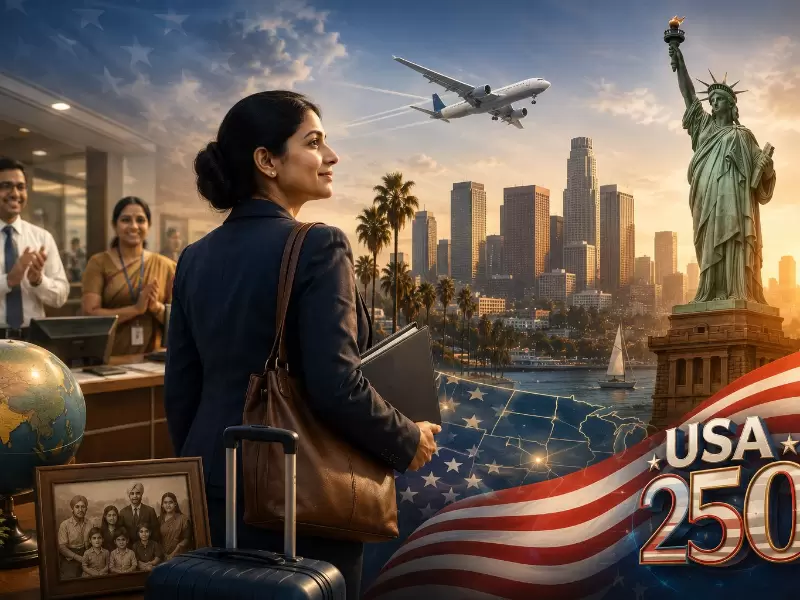
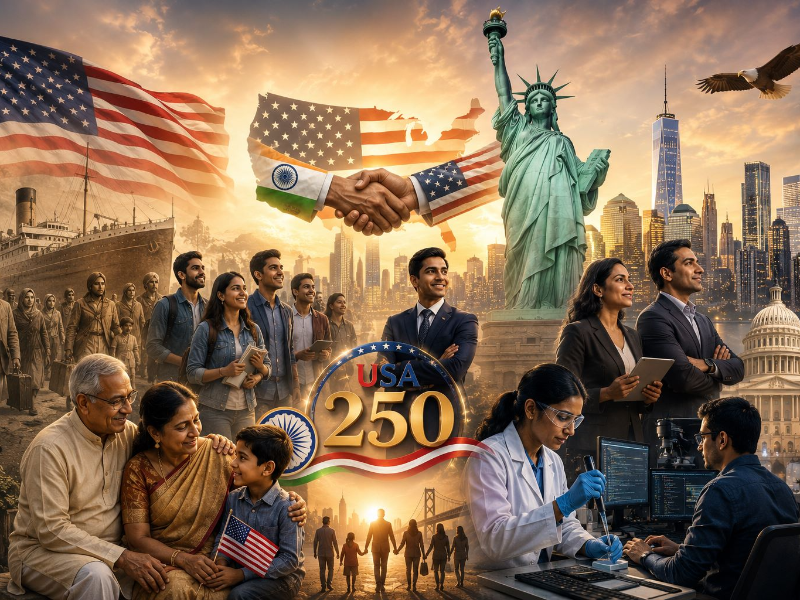
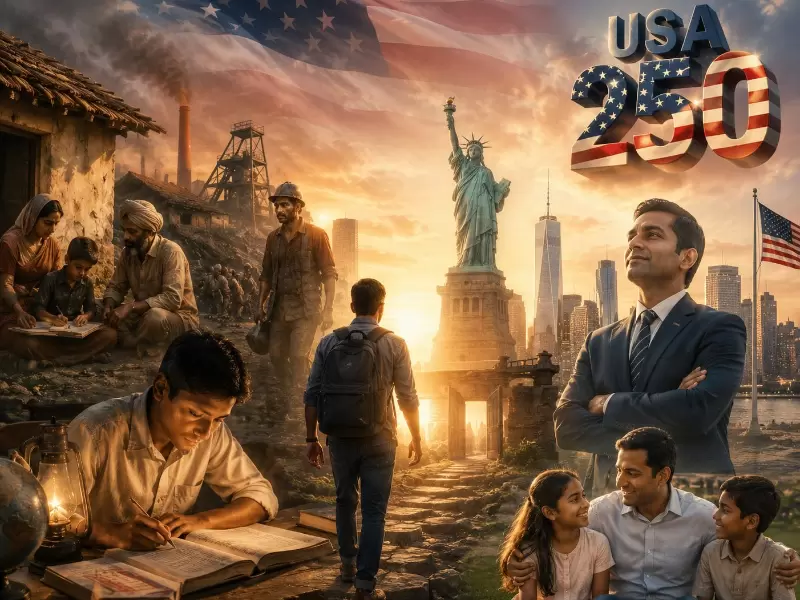
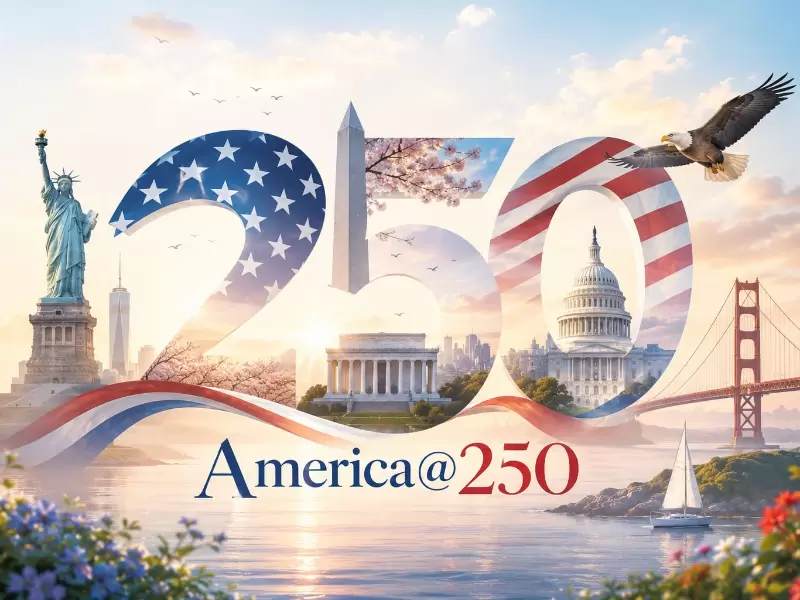 Representative Image / AI Generated
In 1991, I went to work for Congressman Frank Pallone, who represented parts of Middlesex and Monmouth counties in New Jersey. At that time, Congressman Pallone’s district was home to one of the largest concentrations of Indian Americans in the country.
Pallone understood something many of his colleagues did not: that the Indian American community was not just a constituency to be acknowledged at Diwali events, but one whose voice could be an asset in shaping domestic and US-India bilateral policies.
When he co-founded the Congressional Caucus on India and Indian Americans, it grew into one of the largest caucuses in Congress and became the institutional anchor for diaspora engagement on Capitol Hill.
Also Read: SPECIAL EDITION on America 250
Through the 1990s and into the early 2000s, our community was finding its political voice with real momentum. The Caucus was growing. Political contributions were getting organized. Indian American leaders were building relationships across party lines and shaping U.S.-India policy at a critical moment in the bilateral relationship. For the first time, we were not just present in America. We were consequential in it.
And then something shifted. Our political voice, rather than continuing to grow, became fragmented, divided by party, region, sub-community, and individual priorities that never migrated into a unified direction.
Today, by nearly every measure, candidates fielded, dollars deployed strategically, and institutional relationships sustained, our civic presence does not reflect the actual contribution of this five-million-strong community.
The recently established Congressional Study Group on India represents a serious recommitment by Members of Congress to engage substantively on U.S.-India policy. It gives our community something we have lacked for some time: a structured, bipartisan institutional home on Capitol Hill where diaspora voices can be heard and policy can be shaped. But institutional infrastructure without an organized community voice can be a room without an audience or action.
That work is not new. In 1957, Dalip Singh Saund became the first Indian American, the first Asian American, and the first Sikh elected to Congress. He won his seat through community organizing and personal integrity. Our community was built on that foundation in the 1990s. We have not yet finished what he started.
There have been consequences to our fragmented voices. When members of our community became targets of hate crimes, the political centers in the US remained silent. It soon became clear that goodwill is not the same as political power. Professional success earns respect. Political organization earns results.
We need to elect those who will genuinely represent our community's interests, not simply those
who happen to come from our community or attend our events. Shared heritage is not a substitute for shared commitment. The question to ask of every candidate, at every level, is not where they were born but whether they understand what our community needs and will fight for it.
The breadth and depth of involvement in the US political and civic ecosystem is our leverage. We are Republicans, Democrats, and Independents. We are a community that can engage across party lines, from local school boards to the United States Senate.
We can be a community that cannot be sidelined, provided we choose to engage with it in a focused and efficient way.
The path forward is not complicated. We need to continue to run for office, work on campaigns,
support candidates in both parties who earn our support, and invest in the organizations building our collective civic infrastructure. Show up in every election, not just the ones that make national headlines. Civic presence is not built in a single election year. It is built through consistent, strategic engagement over time.
We found our voice once. We grew it quickly. We let it splinter. America at 250 is the moment to rebuild it, more strategically, more durably, and with a clearer sense of what we are organizing toward.
It is time to pick up the pace of engagement, not slow it down.
The writer is a Senior Lead at the Global India Collective and a long-time observer of India-US relations.
(The views and opinions expressed in this article are those of the author and do not necessarily reflect the official policy or position of New India Abroad.)
Discover more at New India Abroad
Leave A Comment
Related


ADVERTISEMENT

ADVERTISEMENT
E Paper
Video

Comments
Start the conversation
Become a member of New India Abroad to start commenting.
Sign Up Now
Already have an account? Login