ADVERTISEMENT

ADVERTISEMENT



Rep. Subramanyam moves to block forced labor funding
The Congressman cited data from the Atlantic Council on World Bank funding of over $486 million in Xinjiang province of China.
-
 Jeffin T. Kaleekal
 - Fri, 13, Feb 2026
- 03:03 EST
- 79
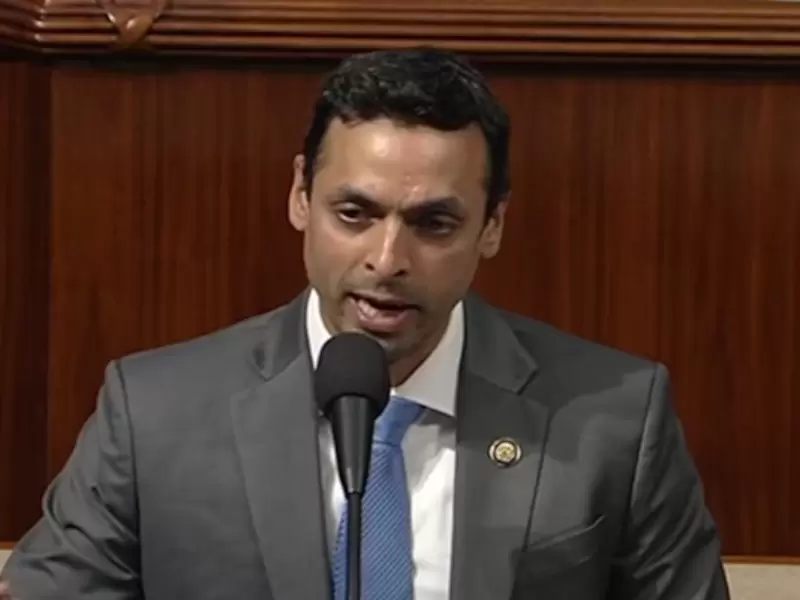 Rep. Suhas Subramanyam / Suhas Subramanyam via X
Congressman Suhas Subramanyam has re-introduced the No Funds for Forced Labor Act, aimed at preventing international financial institutions from providing support to any projects that risk using forced labor.
The bipartisan and bicameral bill encourages the opposition of IFI loans that pose significant risk of using forced labor, especially in the "Xinjiang Uyghur Autonomous Region (XUAR), where a significant amount of evidence has shown a forced labor system of Uyghurs and ethnic minorities by the Chinese government," as per a statement issued by the office of Rep. Subramanyam on Feb. 12.
ALSO READ: Rep. Subramanyam’s federal security bills proceed to House vote
Rep. Subramanyam cited a 2022 report released by the Atlantic Council to highlight the significance of his bill. He spotlighted findings which claim that the International Financial Corporation (IFC), the private lending body of the World Bank, has provided at least $486 million in financing to companies in Xinjiang as part of the organization’s work to uplift the private sector in developing countries.
The Congressman from Virginia remarked, "U.S. taxpayer dollars have no business propping up companies that exploit forced labor.”
He added, "It is the responsibility of Congress to prevent our taxpayer funded resources from supporting forced labor systems, including state-influenced entities in the Xinjiang Uyghur Autonomous Region.
Congressman Raja Krishnamoorthi also backed the bill.
Rushan Abbas, Founder and Executive Director of Campaign for Uyghurs and Chairwoman of the World Uyghur Congress Executive Committee, said, "Campaign for Uyghurs strongly supports the No Funds for Forced Labor Act, which would prevent U.S.-backed international financial institutions from funding projects at significant risk of modern slavery."
Abbas added, "This legislation complements the Uyghur Forced Labor Prevention Act by ensuring that U.S. funding does not indirectly enable the CCP's state-imposed forced labor, thereby closing a critical gap in efforts to combat such exploitation."
Discover more at New India Abroad.
Related









ADVERTISEMENT

ADVERTISEMENT
E Paper
Video

Comments
Start the conversation
Become a member of New India Abroad to start commenting.
Sign Up Now
Already have an account? Login