ADVERTISEMENT
ADVERTISEMENT



India economy resilient but faces rising risks from Mideast war, government report says
The government said India remained a relative bright spot, with the International Monetary Fund raising its 2026-27 growth forecast for the country to 6.5% from 6.4%.
-
 Reuters
 - Wed, 29, Apr 2026
- 16:53 EDT
- 23
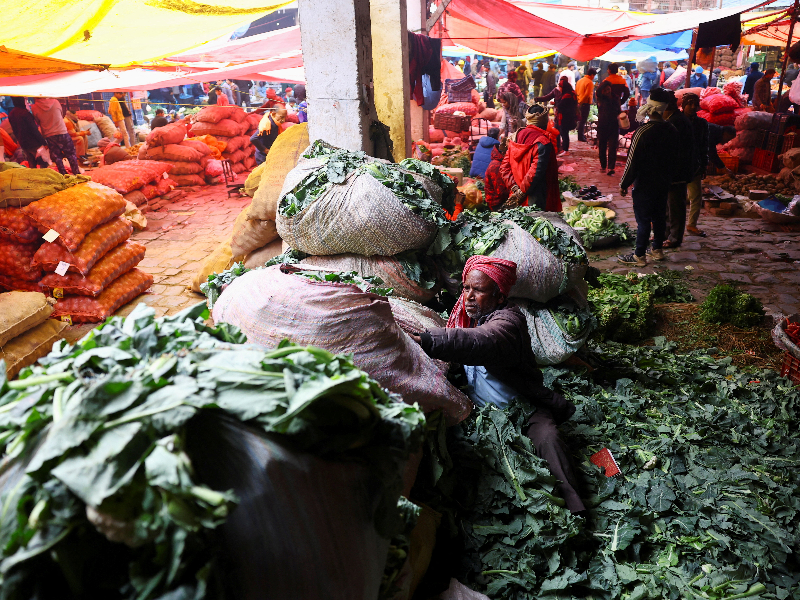 A man sorts vegetables at a wholesale fruit and vegetable market in the old quarters of Delhi, India, February 1, 2026. / REUTERS/Anushree Fadnavis/File Photo
India's economy remains resilient but faces mounting risks from the Middle East conflict, which has disrupted supplies of energy, fertilisers and industrial raw materials, raised costs and weakened trade, the government's monthly economic report said on April 29.
"India enters FY2026-27 at the intersection of domestic resilience and external turbulence," the report said, adding that the West Asia war has altered the macroeconomic outlook following real GDP growth of 7.6 percent in the previous fiscal year.
Also Read: Uttarakhand cuisine enters U.S. dining scene
The government said India remained a relative bright spot, with the International Monetary Fund raising its 2026-27 growth forecast for the country to 6.5 percent from 6.4 percent .
However, it warned that risks were tilted toward higher inflation, wider fiscal and external deficits and slower growth, especially if energy and fertiliser supply disruptions persist.
The report said India's crude oil basket averaged $113 per barrel in March and was just under $115 per barrel this month through April 24. It added higher wholesale prices showed that cost pressures were building, even though consumer inflation remained moderate.
Retail inflation rose to 3.4 percent in March from 3.2 percent in February, while food inflation increased to 3.87 percent. Wholesale inflation accelerated to 3.88% in March from 2.13% in February, reflecting rapid transmission of higher energy and commodity prices at the producer level.
"The risks are tilted toward persistence rather than quick reversal of the price pressures," the report said.
Trade also weakened in March, with merchandise exports down 7.4 percent year-on-year and 24 of 30 major export categories declining. Exports to the United Arab Emirates and Saudi Arabia fell sharply as the Strait of Hormuz blockade raised freight, insurance and logistics costs.
The report said remittances, which reached a record $135.4 billion in FY25, could come under pressure if a prolonged conflict weakens Gulf labour markets.
India’s unemployment rate rose to 5.1 percent in March from 4.9 percent in February, though the report said labour conditions have broadly stabilised, while confidence in future job prospects has weakened, particularly in urban India.
Discover more at New India Abroad.
Related










ADVERTISEMENT

ADVERTISEMENT
E Paper
Video

Comments
Start the conversation
Become a member of New India Abroad to start commenting.
Sign Up Now
Already have an account? Login