ADVERTISEMENT

ADVERTISEMENT



From Malvani to Millets: Inside India’s changing restaurant landscape
Industry growth reflects shifting lifestyles, employment creation and evolving expectations from modern Indian diners.
-
1759953093.png) Staff Reporter
Staff Reporter - Thu, 22, Jan 2026
- 23:44 EST
- 142
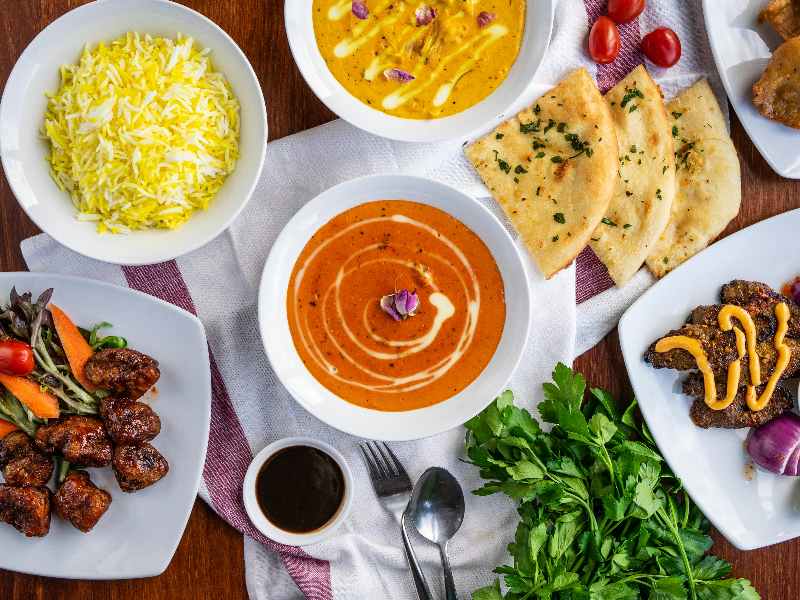 Representative image / Pexels
Members of the Indian diaspora visiting the country in 2026 are likely to encounter a vastly transformed gastronomic landscape, as India’s restaurant industry undergoes a sweeping evolution driven by technology, regional pride, and changing consumer expectations. From hyper-local regional cuisines and wellness-focused menus to app-led ordering and experiential dining formats, eating out in India is no longer just about familiarity or nostalgia.
According to the Indian Restaurant Association of America, the sector’s rapid growth and increasing formalization are reshaping how food is prepared, delivered, and experienced across cities, creating a dining culture that blends tradition with global sensibilities.
The Indian restaurant industry has emerged from the disruptions of the pandemic with renewed momentum, reaching an estimated market size of over $78 billion (approximately ₹6.5 lakh crore), according to the State of the Indian Restaurant Industry Report 2025 released by the Indian Restaurant Association of America (IRAA).
The report describes the sector as being at a “dynamic crossroads,” shaped by rapid urbanization, a growing middle class, changing consumer expectations, and the increasing role of digital platforms. Dining out, the report notes, is no longer limited to food alone, but is now driven by experience, convenience, sustainability, and cultural connection.
Strong growth and rising formalization
According to the IRAA report, the industry is growing at a compound annual growth rate (CAGR) of 9.1 percent, signaling steady and sustained expansion. Nearly 45 percent of the market is now part of the organized sector, reflecting a gradual shift from informal, standalone establishments toward more structured and scalable operations.
Online food delivery continues to be a major growth driver. The report states that close to one-third of all restaurant orders are now placed through delivery platforms, underlining the long-term impact of digitization on consumer behavior.
ALSO READ: Chef Kunal Kapur on social media food trends: No food is inherently unhealthy
The sector also remains a major employment generator. The IRAA estimates that restaurants across India directly employ more than 8 million people, making it one of the country’s largest sources of non-agricultural jobs.
Segment-wise Performance
Full-Service Restaurants (FSRs)
The report highlights a growing consumer preference for regional authenticity in full-service dining. Cuisines such as Malvani, Chettinad, Assamese tribal food, and other lesser-known regional traditions are gaining prominence. Chef-led concepts and experiential dining formats are becoming more common, though operators continue to face challenges related to rising input costs and talent retention.
Quick Service Restaurants (QSRs)
QSRs remain one of the fastest-growing segments, driven largely by younger consumers seeking affordability and convenience. Established global and domestic brands—including McDonald’s, Domino’s, and Wow! Momo—are investing heavily in technology-enabled ordering, cloud-based expansion, and loyalty-led customer engagement, the report notes.
Cloud Kitchens and Delivery-Only Brands
Cloud kitchens now account for approximately 15 percent of the organized restaurant sector. The IRAA attributes this growth to lower capital requirements and widespread adoption of food delivery apps such as Swiggy and Zomato. Companies like Rebel Foods, Box8, and EatSure are cited as key players shaping this model.
Key Trends Redefining Dining
The report identifies several trends influencing the industry’s evolution. Consumers are increasingly embracing hyper-local and indigenous flavors, while wellness-focused menus—featuring millets, low-carb meals, vegan options, and fermented beverages—are moving into the mainstream.
Sustainability is also gaining importance. Restaurants are reducing plastic use, adopting farm-to-table sourcing, and highlighting eco-conscious practices as part of their brand identity. At the same time, experiential dining—through themed restaurants, live kitchens, and curated food festivals—is redefining how customers engage with restaurants.
Persistent Challenges
Despite strong growth, the IRAA report flags several structural challenges. Regulatory complexity, including municipal approvals and food safety compliance, continues to create barriers for new entrants. High employee turnover across kitchen and service roles remains a concern, while rising food costs, rental expenses, and delivery commissions are placing sustained pressure on margins, particularly for independent operators.
Outlook: 2025–2030
Looking ahead, the IRAA expects Tier 2 and Tier 3 cities to drive nearly 45 percent of new restaurant openings over the next five years. Increased automation in kitchen operations and supply chains is expected to help businesses improve efficiency and scale.
The report also points to growing experimentation with alternate proteins and innovative ingredients, alongside the continued international expansion of Indian restaurant brands. Companies such as MTR Foods, Indian Accent, Biryani Blues, and others are cited as leading this global push.
Industry at a Turning Point
Summing up its findings, the Indian Restaurant Association of America states that the industry is no longer in recovery mode but is undergoing a deeper transformation.
“The Indian restaurant industry is evolving into a cultural and economic force,” the report notes, adding that future success will depend on “balancing authenticity with innovation while remaining rooted in the country’s diverse food traditions.”
As consumer expectations continue to evolve, the report concludes, restaurants that combine regional identity, operational efficiency, and meaningful dining experiences are likely to define the next phase of growth.
Related










ADVERTISEMENT

ADVERTISEMENT
E Paper
Video

Comments
Start the conversation
Become a member of New India Abroad to start commenting.
Sign Up Now
Already have an account? Login